

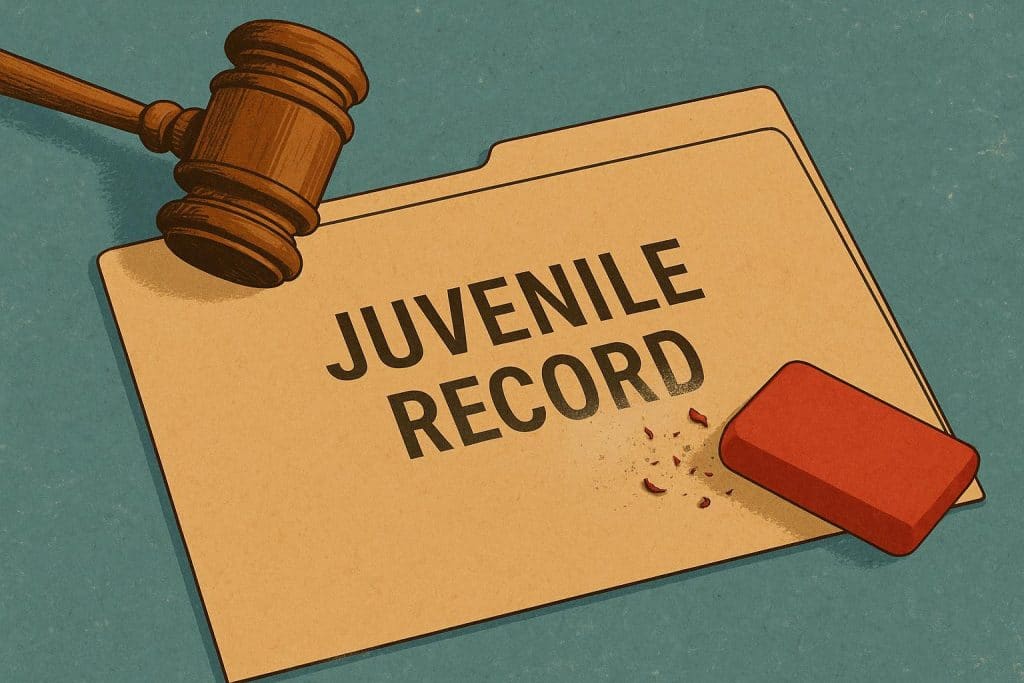
Juvenile delinquency cases in Norristown are handled differently than adult criminal matters. These cases typically involve individuals under the age of 18 who are accused of violating the law. Instead of focusing strictly on punishment, the juvenile justice system in Pennsylvania emphasizes supervision, accountability, and rehabilitation. Proceedings usually take place in juvenile court, which operates under different procedures and standards than adult court.
A juvenile delinquency case begins when law enforcement files a report or a complaint is submitted. From there, the case may proceed through intake, where probation officers evaluate whether the matter should be handled informally or formally through court involvement. Informal adjustments can include counseling, community service, or other conditions without a formal adjudication. More serious allegations move forward to formal hearings before a judge.
How Juvenile Court Proceedings Work
Juvenile court proceedings are structured but less formal than adult criminal trials. There is no jury. Instead, a judge determines whether the allegations are supported by evidence. The process typically includes a detention hearing if the minor is held in custody, followed by an adjudicatory hearing, which is similar to a trial. If the court finds that the allegations are proven, the case moves to a disposition hearing.
At disposition, the court decides what consequences or interventions are appropriate. These may include probation, placement in a juvenile facility, counseling requirements, or participation in specific programs. The goal is to address the underlying behavior while encouraging rehabilitation and reducing the likelihood of future offenses.
Common Types of Juvenile Offenses
Juvenile delinquency cases in Norristown can involve a wide range of alleged conduct. Some of the most common include theft-related offenses, simple assault, vandalism, drug possession, and disorderly conduct. School-related incidents can also lead to juvenile charges, especially when they involve physical altercations or controlled substances.
The seriousness of the allegation often affects how the case is handled. Minor, first-time offenses are more likely to be resolved through diversion programs or informal supervision. More serious or repeat allegations are more likely to result in formal court proceedings and structured penalties.
Long-Term Impact of a Juvenile Record
A juvenile record can have lasting consequences, even though the system is designed to be rehabilitative. Records of delinquency can appear in background checks in certain situations, including applications for employment, housing, or higher education. While juvenile records are generally treated as confidential, they are not automatically erased.
Certain agencies, including law enforcement and courts, retain access to these records. In some cases, records can also be considered in future legal proceedings. This is particularly relevant if an individual faces charges as an adult, as prior juvenile adjudications may influence sentencing decisions.
Because of these potential long-term effects, understanding how records can be cleared is an important part of navigating the juvenile justice system.
Expungement and Record Sealing in Pennsylvania
Pennsylvania law provides options for clearing or limiting access to juvenile records through expungement and, in some cases, record sealing. Expungement refers to the complete destruction of a record, meaning it is removed from public and official databases. Once expunged, the incident is generally treated as if it did not occur.
Juvenile records may be eligible for expungement under several circumstances. These include cases where the allegations were dismissed, withdrawn, or not proven in court. Expungement may also be available after a period of time has passed following the successful completion of court-ordered supervision, provided there are no subsequent offenses.
In addition, individuals who reach adulthood may petition for expungement if they have remained free of arrests or prosecutions for a specified period. The court reviews each request and considers factors such as the nature of the offense, compliance with court orders, and overall conduct since the case was resolved.
Record sealing, while more commonly associated with adult cases, may also limit access to certain information. Sealed records are not visible to the general public but may still be accessible to law enforcement or courts under specific circumstances.
The Expungement Process in Norristown
The process of expunging a juvenile record in Norristown typically begins with filing a petition in the appropriate court. This petition outlines the basis for expungement and includes relevant details about the case. Supporting documentation may also be required, such as proof that all court conditions were satisfied.
After the petition is filed, the court reviews the request. In some cases, a hearing may be scheduled to allow the petitioner to present additional information. The court may also consider input from probation officers or prosecutors before making a decision.
If the court grants the petition, an order is issued directing relevant agencies to destroy or remove the record. This can include police departments, court offices, and other entities that maintain records of the case. The process may take time, as multiple agencies must comply with the order.
Factors That Influence Eligibility
Not all juvenile records are eligible for expungement. Certain serious offenses may have restrictions, and eligibility often depends on the outcome of the case and the individual’s conduct afterward. Successful completion of probation or other court-ordered programs is typically a key factor.
Timing also plays an important role. In many cases, a waiting period is required before a petition can be filed. This allows the court to assess whether the individual has remained law-abiding and complied with all conditions.
The court has discretion in deciding whether to grant expungement. This means that even if basic eligibility requirements are met, the outcome is not guaranteed. Each case is evaluated on its own facts.
The Role of Legal Representation in Juvenile Cases
Juvenile delinquency proceedings and expungement petitions involve specific procedural rules and legal standards. A Norristown criminal defense lawyer may assist in navigating these processes, including reviewing eligibility for expungement, preparing petitions, and addressing court requirements.
Legal representation can also play a role earlier in the process, during delinquency proceedings. This includes evaluating evidence, participating in hearings, and ensuring that procedural rights are observed. While the juvenile system is designed to be less adversarial than adult court, the outcomes can still carry significant consequences.
Moving Forward After a Juvenile Case
Resolving a juvenile delinquency case does not always mark the end of its impact. Records can remain unless action is taken to address them. Expungement provides a pathway to limit or eliminate the long-term effects of a juvenile record, but it requires meeting specific legal criteria and following established procedures.
Understanding how the juvenile system operates and how records can be cleared allows individuals and families to make informed decisions. In Norristown, the combination of court supervision, rehabilitation-focused outcomes, and expungement options reflects an approach that balances accountability with the opportunity for a clean slate over time.