

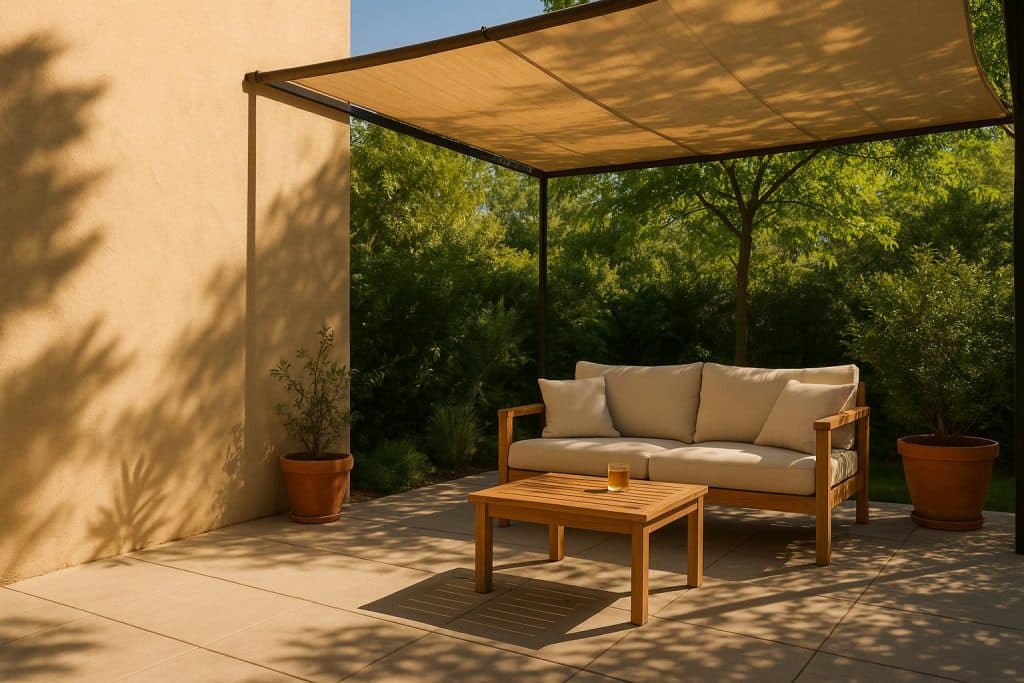
Walk outside on a hot afternoon and stand on your patio for a minute. Now imagine that same space with soft shade, cooler air, and a place where you actually want to sit with a drink or a book.
That’s what the right markiisid does.
But choosing one isn’t just about picking a color and installing it above your window. The wrong choice can look awkward, wear out quickly, or fail to provide the shade you actually need. The right one can transform your outdoor space and even lower your energy bills.
Let’s break down how to choose an awning that works for your home.
Start With the Purpose
Before looking at materials or designs, ask one simple question:
What do you want the awning to do?
Most homeowners install awnings for one of three reasons:
- Reduce indoor heat
- Create a shaded outdoor space
- Improve curb appeal
If your goal is cooling your home, window awnings on south- and west-facing windows can block a large portion of solar heat before it hits the glass.
If your goal is comfort outdoors, a patio or deck awning makes more sense.
When the purpose is clear, the rest of the decisions become much easier.
Understand the Different Awning Types
Not all awnings work the same way. The design you choose affects durability, flexibility, and cost.
Retractable awnings are the most versatile. You can extend them when you want shade and retract them during storms or winter. Many homeowners prefer these because they offer control.
Fixed awnings stay in place year-round. They’re sturdy and often less expensive, but they require strong materials to withstand weather.
Freestanding awnings work well for gardens, pools, or areas not attached to the house.
If flexibility matters, retractable is usually the smarter investment.
Choose the Right Material
Material determines how long your awning will last and how much maintenance it will need.
Fabric awnings are the most common because they offer color options and visual appeal. Look for solution-dyed acrylic fabrics, which resist fading and mildew.
Metal awnings, typically aluminum, are more durable and handle harsh weather better. However, they tend to have a more rigid appearance.
If aesthetics matter most, fabric usually wins. If durability is the top priority, metal might be the better choice.
Measure the Space Correctly
One of the most common mistakes homeowners make is choosing the wrong size.
An awning should extend far enough to create shade when the sun is high but not so far that it blocks airflow or looks oversized.
A simple rule of thumb:
- Windows typically need 2–3 feet of projection
- Patios often require 8–14 feet
Also pay attention to mounting height. The awning needs enough clearance to slope downward so rainwater drains properly.
Getting the measurements right makes the final installation look intentional instead of improvised.
Think About Style and Color
An awning isn’t just functional. It’s also part of your home’s exterior design.
Neutral tones like beige, gray, or soft green blend well with most homes. Striped patterns can add character, especially on patios or balconies.
A good approach is to match the awning color with one of your home’s existing elements, such as the roof, trim, or shutters.
This creates visual harmony instead of making the awning look like an afterthought.
The Bottom Line
A well-chosen awning does more than block sunlight. It turns patios into living spaces, protects interiors from heat, and adds character to your home’s exterior.
Start with your goal, choose the right type, pay attention to materials, and measure carefully.
Do that, and your awning won’t just sit above a window. It’ll become one of the most used features of your home.
Looking to install the perfect awning for your home? Check out Avaeksperdid for expert awning design, installation, and shade solutions tailored to your space.