

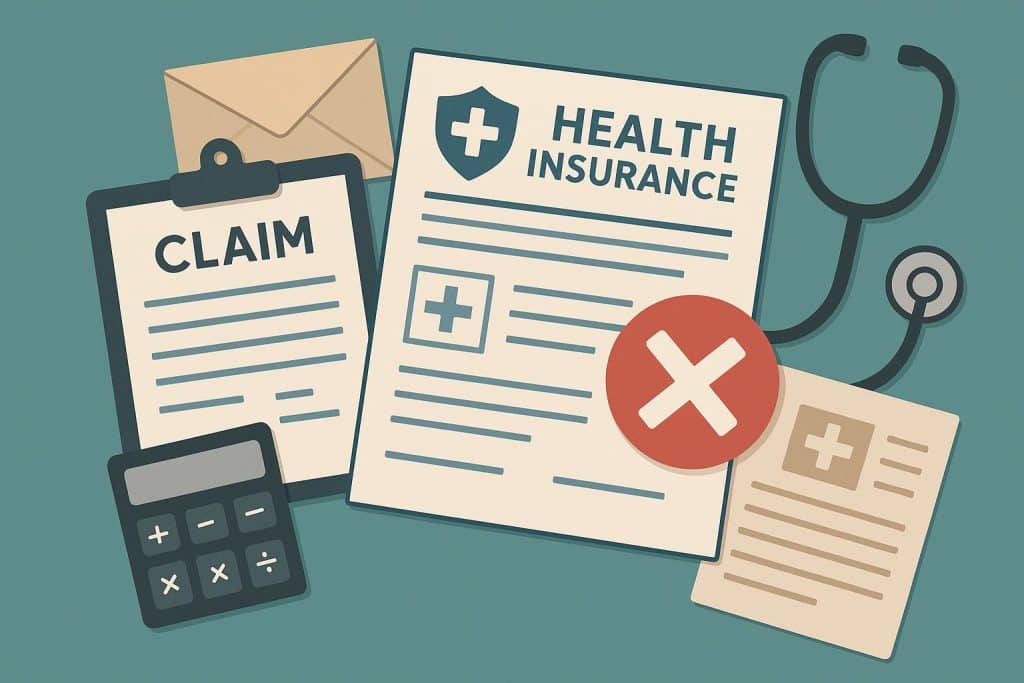
Buying individual health insurance plan protects you from high medical costs, but knowing how to make a successful claim is just as important. Imagine facing a hospital bill only to discover your claim is rejected; this can be stressful and costly. Understanding the common reasons why health insurance claims get denied can help you avoid mistakes, plan ahead and ensure your policy actually supports you when you need it the most.
Why Your Health Insurance Claim Might Get Rejected
Some common reasons for your health insurance policy to get rejected include:
- Lapsed Policy
Every policy has a renewal date and a grace period. Once this period ends, the policy lapses and you lose all the benefits until you renew it again. The insurer cannot process your claim if you don’t renew your policy on time because the coverage will become inactive. Always set reminders to renew your plan on time; it will help your health coverage stay active when you need it.
- Incorrect Information
Small mistakes, such as wrong policy numbers, spelling errors, incorrect dates or incomplete illness details, can lead to delays or claim rejection. Insurers rely on accurate information to verify your identity and the treatment you received. Double-check all the details you enter on claim forms to avoid unnecessary issues.
- Feeling a Claim During the Waiting Period
Health Insurance plans come with waiting periods to avail certain benefits, such as pre-existing diseases, maternity and specific treatments. The insurer may reject the claim if you raise one before the waiting period has passed. Make sure you know how long you need to wait before different benefits become active.
- Not Disclosing Pre-Existing Diseases
If you hide health conditions like diabetes, thyroid problems, asthma or past surgeries while buying the policy, your claim may be rejected later. Insurers calculate premiums and assess risk based on your medical history. Missing or hidden details can be treated as misrepresentation. Being transparent at the start helps during claims.
- Delayed Claim Intimation
Insurers expect you to inform them within a specific timeline when you are hospitalised, whether it is a planned admission or an emergency. Delays in informing them make it harder to validate the treatment and may lead to claim rejection. Notify the insurer as soon as possible to keep the process smooth.
- Missing or Incomplete Documentation
All claims need proper medical documents such as discharge summaries, hospital bills, prescriptions, diagnostic reports and payment receipts. The insurer may not be able to approve your claim if any document is missing, unclear or mismatched. It is always helpful to organise and submit all required documents in one go.
- Exhausted Sum Insured
Your insurer can only pay up to the available sum insured for that policy year. You might not be able to raise a new claim if you have already used most of your sum insured in earlier claims. Keep track of your remaining coverage so you know what you are eligible for.
- Treatment Not Covered by the Policy
Health insurance policies come with exclusions. Your claim may be rejected if your treatment falls under an excluded category, such as certain alternative therapies, unproven treatments or cosmetic procedures. Reading your policy document helps you understand what is covered and what isn’t.
- False or Misleading Information
Claims can be rejected if the insurer finds inconsistencies, such as inflated bills and clear treatment details or altered documents. Insurers verify everything to ensure that the claim reflects the actual treatment. Make sure the details you submit are accurate and honest.
- Lack of Pre-Authorisation
Certain planned procedures or cashless hospitalisations need pre-authorisation from the insurer. The insurer may deny the request if treatment starts without this approval, especially for cashless claims. Getting approval in advance helps avoid issues for planned hospital visits.
- Non-Network Hospital for Cashless Claims
Cashless claims are available only at hospitals that are part of the insurer’s network. Your cashless request may be denied if you choose a non-network hospital and you may need to file a reimbursement claim instead. It helps to check the network list before admission.
- Treatment Not Medically Necessary
If the insurer feels that the treatment was not medically required or hospitalisation was avoidable, they may not approve the claim. This sometimes happens when the diagnosis doesn’t match the recommended procedure. Make sure your doctor’s advice and reports clearly support the treatment.
- Violation of Policy Conditions
Every policy includes conditions like room rent limits, sub-limits for treatments and specific rules for daycare procedures. The insurer may reduce the claim amount or reject it if these conditions are not followed. Understanding these limits beforehand helps avoid surprises.
Conclusion
Owning an individual health insurance plan is only part of staying financially protected; knowing how to use it effectively makes the real difference. By understanding claim processes, adhering to timelines, submitting accurate documents and following policy rules, you can avoid rejections and ensure your coverage truly supports you. Being proactive with your policy not only saves time and stress but also gives you confidence that medical emergencies won’t derail your finances.