

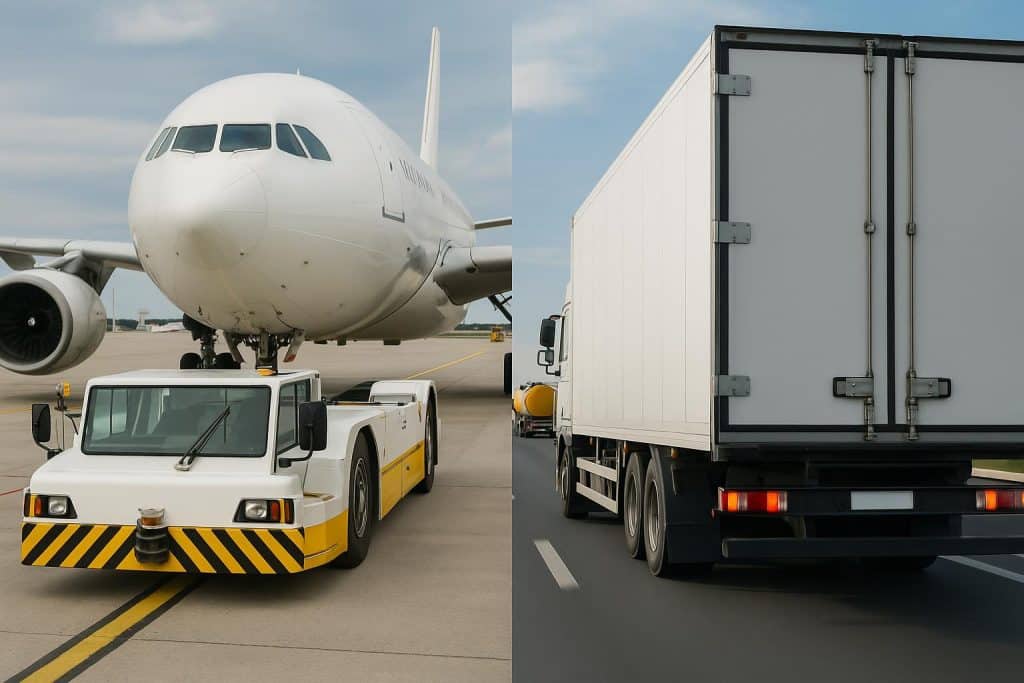
In industries such as mining, construction, and transport, safety is not just a procedure—it is a system driven by leadership, accountability, and compliance. As operations become more complex, organisations increasingly rely on trained professionals who can manage risks both on-site and across the supply chain.
Two key training pathways that are transforming workplace safety across Australia are Mining Supervisor training and Chain of Responsibility (CoR) training. Together, they create a powerful combination of operational leadership and legal compliance.
Mining Supervisor Training: Leading Safety on the Ground
Mining environments are high-risk by nature, requiring strong leadership to maintain safe and efficient operations. Supervisors play a crucial role in managing teams, identifying hazards, and ensuring compliance with strict safety regulations.
By completing a professional mining supervisor training course, individuals gain essential skills in risk management, incident investigation, and workplace communication.
This training includes nationally recognised units such as risk management, safety investigations, and communication, all designed to prepare workers for supervisory roles in mining and resource sectors. :contentReference[oaicite:0]{index=0}
- Identify and control workplace risks
- Lead teams in high-pressure environments
- Ensure compliance with mining safety regulations
- Conduct and report safety investigations
For experienced workers transitioning into leadership roles, this qualification is a critical step toward becoming a trusted and effective site supervisor.
Chain of Responsibility Training: Managing Safety Beyond the Worksite
While on-site safety is vital, transport operations introduce another layer of risk. The Chain of Responsibility (CoR) framework ensures that everyone involved in the transport process shares accountability for safety.
A nationally recognised Chain of Responsibility training course (TLIF0009) equips participants with the knowledge to understand and apply legal obligations under the Heavy Vehicle National Law (HVNL).
This training focuses on identifying risks such as fatigue, speeding, overloading, and improper load restraint—key factors that contribute to transport incidents. :contentReference[oaicite:1]{index=1}
- Understand shared legal responsibilities in transport
- Identify and manage transport-related risks
- Apply compliance procedures in real scenarios
- Prevent breaches and avoid heavy penalties
CoR laws apply not only to drivers but also to managers, schedulers, and supervisors—anyone who can influence transport safety outcomes.
Bridging the Gap Between Site Leadership and Transport Safety
Modern industries require professionals who can operate across multiple safety domains. Mining Supervisors ensure safe daily operations on-site, while CoR-trained professionals manage risks across the logistics and transport chain.
Combining these two qualifications allows individuals to:
- Take responsibility for both operational and transport safety
- Improve coordination between site and logistics teams
- Reduce incidents across the entire workflow
- Enhance career opportunities in high-demand sectors
Employers increasingly value professionals who understand both practical site risks and broader compliance requirements.
Why These Certifications Matter More Than Ever
Australia’s mining and transport industries continue to grow, bringing increased regulatory oversight and higher safety expectations. Training programs like Mining Supervisor and TLIF0009 CoR are designed to meet these evolving demands.
They not only ensure compliance but also build a proactive safety culture—where risks are identified early, controlled effectively, and continuously monitored.
Final Thoughts
Safety is no longer limited to one role or one location. It is a shared responsibility that spans from the worksite to the road.
By investing in both Mining Supervisor and Chain of Responsibility training, professionals position themselves as leaders who can manage people, processes, and risks with confidence—making them invaluable assets in today’s high-risk industries.