

In today’s fast-paced world, the convenience of ready-to-eat products, particularly packaged greens, has made them a staple in many diets. However, the rise in popularity of these products has also highlighted significant food safety concerns, notably the risk of foodborne illnesses like listeriosis. Understanding the connection between listeriosis and packaged greens is crucial for consumers seeking to maintain their health while enjoying these convenient options.
Understanding Listeriosis
Listeriosis is a severe infection caused by the bacterium Listeria monocytogenes, which is found in soil, water, and certain animals. Unlike many foodborne pathogens, Listeria can thrive in cold temperatures, making it a persistent threat in ready-to-eat foods, including packaged salads, sandwiches, and deli meats. The illness primarily affects high-risk populations such as pregnant women, the elderly, and immunocompromised individuals. Symptoms can range from mild flu-like signs to severe conditions, including meningitis and septicemia, highlighting the seriousness of this foodborne threat.
The Role of Packaged Greens in Foodborne Illnesses
Packaged greens, which include pre-washed salad mixes, spinach, and other leafy vegetables, have become increasingly popular due to their convenience and perceived health benefits. However, their processing and handling can create opportunities for contamination:
- Farming Practices: Contamination can begin in the fields where greens are grown. Factors such as the use of contaminated water for irrigation, improper handling by farm workers, and exposure to wildlife can all contribute to the presence of Listeria on produce.
- Processing and Packaging: Once harvested, greens are typically washed, cut, and packaged in processing facilities. Inadequate sanitation during these processes can lead to cross-contamination. If equipment is not properly cleaned or if workers do not adhere to hygiene protocols, bacteria can proliferate.
- Distribution and Retail Handling: After packaging, greens are transported to grocery stores, where temperature control is crucial. If salads are not stored at safe temperatures (below 40°F or 4°C), bacteria can multiply, increasing the risk of foodborne illness when the product is consumed.
Recent Outbreaks Linked to Packaged Greens
Recent years have seen several listeriosis outbreaks tied to packaged greens, underscoring the connection between ready-to-eat products and foodborne illnesses:
- 2023 Listeriosis Outbreak: A multi-state outbreak linked to prepackaged salads led to numerous hospitalizations, particularly affecting vulnerable populations. The investigation revealed lapses in processing protocols, prompting health agencies to enhance food safety regulations and oversight.
- 2019 Recall: A popular brand of packaged salads was recalled after testing positive for Listeria. This recall affected multiple states and served as a stark reminder of the potential dangers associated with ready-to-eat products.
These incidents highlight the critical need for improved safety measures throughout the supply chain to protect consumers from foodborne illnesses.
Preventive Measures for Consumers
To mitigate the risks associated with listeriosis and packaged greens, consumers can take several proactive steps:
- Choose Trusted Brands: Purchase packaged greens from reputable brands that adhere to strict food safety standards. Check for recalls or safety alerts before buying.
- Inspect Packaging: Always examine the packaging for signs of damage, such as tears or punctures, which can compromise food safety.
- Check Expiration Dates: Be vigilant about expiration dates and avoid consuming products that are past their “best by” date.
- Store Properly: Refrigerate packaged greens immediately upon purchase and keep the refrigerator at a safe temperature (below 40°F or 4°C).
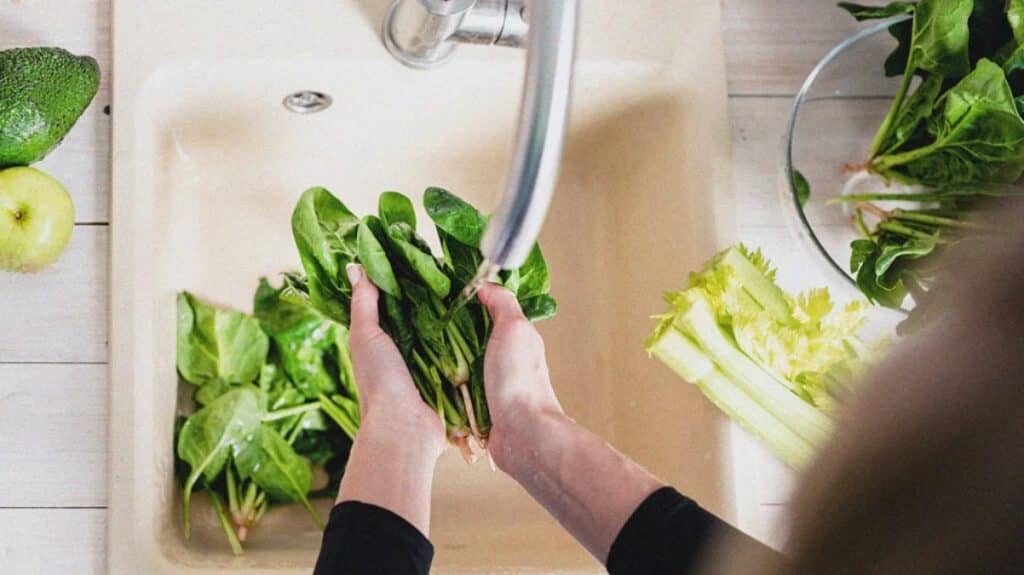
- Wash Before Consumption: Even if greens are labeled as pre-washed, rinsing them under cold running water can help remove any lingering bacteria.
- Stay Informed: Keep abreast of food safety news and reports related to listeriosis outbreaks, as awareness can help you make informed choices.
Conclusion
The connection between listeriosis and packaged greens underscores the importance of food safety in an increasingly convenience-driven market. While packaged greens offer a quick and healthy meal option, they can pose risks if not handled and stored properly. By understanding the potential dangers and implementing safe practices, consumers can enjoy the benefits of ready-to-eat products while minimizing the risk of foodborne illnesses. Continuous improvements in food safety regulations, combined with consumer vigilance, are essential to ensuring that packaged greens remain a safe and nutritious part of our diets.