

Dr. Jennifer Bath is a biotechnology executive with more than 25 years of experience in drug discovery, antibody development, and corporate leadership. Based in Austin, Texas, she serves as president and CEO of ImmunoPrecise Antibodies, an AI-driven biotherapeutics company, where she oversees strategy, acquisitions, and global operations. Her background includes leadership roles at Aldevron and the Concordia College Global Vaccine Institute, which she founded. With deep expertise in antibody discovery and immunological research, Dr. Jennifer Bath’s career aligns closely with advances in cancer immunotherapy, a field that relies heavily on precision biologics and immune system engineering. Her work in biotechnology and AI-driven platforms reflects the broader scientific momentum behind innovative cancer treatments that harness the immune system.
Understanding the Latest Advances in Cancer Immunotherapy
Cancer treatment has entered a new era. For decades, the standard trio of surgery, radiation, and chemotherapy helped many patients. However, these approaches can be blunt instruments, often harming healthy cells along with cancerous ones. Immunotherapy, in contrast, trains the body’s own defense system to recognize and fight cancer. Instead of simply blasting tumors with toxic drugs, doctors teach the immune system to do what it does best: protect the body from threats. This shift is already transforming outcomes for people with several types of cancer.
Immunotherapy taps into the remarkable complexity of the immune system. Our immune defenses constantly patrol the body, identifying and neutralizing bacteria, viruses, and abnormal cells. Cancer cells are trickier; they evolve ways to hide from detection. Immunotherapy aims to strip away that disguise or enhance the immune system’s ability to spot and destroy malignant cells. The result can be profound and lasting responses, even in cancers that were once considered hopeless.
One of the most talked-about advances in this field is CAR-T cell therapy, also known as “chimeric antigen receptor T cell” therapy. T cells are a type of immune cell that can kill infected or abnormal cells. In CAR-T therapy, doctors extract T cells from a patient’s blood and genetically modify them in the lab to express custom receptors, special “homing devices” that latch onto unique proteins on the surface of cancer cells. Once these engineered cells are infused back into the patient, they can seek out and kill cancer cells with remarkable precision.
CAR-T therapy has already shown dramatic success in certain blood cancers, such as leukemia and lymphoma. Patients who had exhausted all other treatments have experienced deep, lasting remissions after receiving CAR-T cells. These breakthroughs have energized scientists and clinicians alike, and research is now underway to broaden CAR-T’s reach to solid tumors like lung and breast cancer.
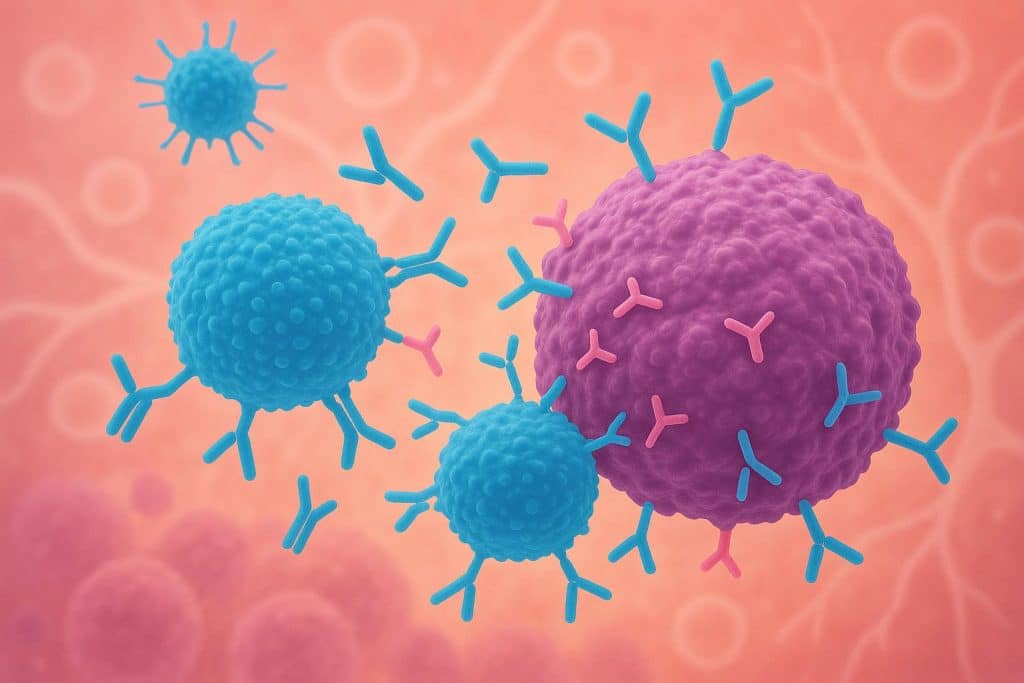
Another pillar of modern immunotherapy is antibody-based therapy. Antibodies are proteins that the immune system naturally produces to flag dangerous invaders. In cancer therapy, scientists create monoclonal antibodies in the lab that specifically bind to markers on cancer cells. Some of these act like homing beacons, helping immune cells find tumors. Others block “checkpoint” molecules, brakes that cancer cells use to dampen immune responses. Drugs known as checkpoint inhibitors have been especially transformative. By releasing these biological brakes, they allow the immune system to mount a more robust attack on tumors.
Checkpoint inhibitors have been approved for a wide range of cancers, including melanoma, lung cancer, and bladder cancer. For some patients, they have delivered long-term control of the disease with fewer side effects than traditional chemotherapy. In some cases, tumors that once grew relentlessly have stabilized or even shrunk significantly.
Instead of a one-size-fits-all assault, immunotherapy customizes treatment based on the unique characteristics of a patient’s tumor and immune system. That doesn’t mean immunotherapy works for everyone or every type of cancer, but its successes have opened a new chapter in oncology.
Currently, researchers are exploring new combinations of immunotherapies, trying to reduce side effects, and developing ways to predict who will benefit most. But the progress so far has been inspiring. For many patients, immunotherapy has shifted cancer from a dire diagnosis to a manageable or even curable condition.
About Dr. Jennifer Bath
Dr. Jennifer Bath is president and CEO of ImmunoPrecise Antibodies, where she leads corporate strategy and global operations for an AI-driven biotherapeutics company. She has held senior leadership roles at Aldevron and founded the Concordia College Global Vaccine Institute. In addition to her executive work, she serves as chairman of BioStrand and contributes to corporate governance initiatives. She holds a PhD in cellular and molecular biology and has extensive experience in antibody discovery and biotechnology leadership.