

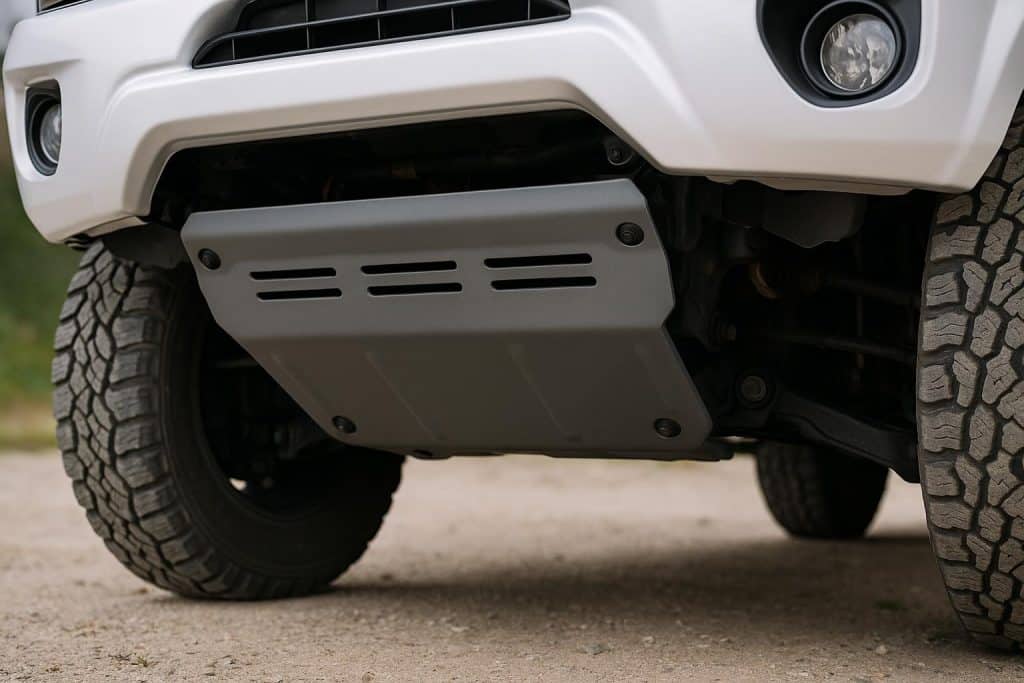
Often, when a vehicle owner’s thinking turns to upgrades, they think of engine performance, tires and suspension, but not much about underbody protection. A Skid Plate is designed to act as a road-trail protective barrier in front of any road-trail-protaining critical vehicle parts. Driving around on rockiness or poorly-maintained roads can damage the investment in your vehicle and reduce its longevity, and a skid plate can minimize all of this.
Understanding the Purpose of a Skid Plate
A skid plate is a metal plate placed under a vehicle to prevent damage to components like the engine oil pan, transmission, transfer case and fuel tank. These may be susceptible to damage from rocks, debris, tree branches and uneven surfaces if not properly protected.
Drivers researching underbody protection often compare skid plates with splash guards. The detailed guide provided by Hooke Road explains the key differences between these components and highlights when each option is most beneficial.
Benefits of Installing a Skid Plate
Protects Critical Components
A skid plate’s greatest benefit is the protection of costly mechanical components from damage. In the event of even minor contact with a rock, or road obstacle, damage to the underbody can result in expensive repairs if the vehicle has been exposed.
Improves Off-Road Capability
Off-roaders often run into spots that may scratch or mogul their cars. A good skid plate protects against bumps and bounces and gives you extra peace of mind when driving off-road.
Reduces Long-Term Repair Costs
For many of these items, the cost of being protected is higher than fixing components that are already failed. Proper treatment of parts and systems with a skid plate system can lower the cost of parts and systems maintenance over time.
Enhances Vehicle Durability
Extra underbody protection is a major advantage in very cold and hot environments for vehicles. A skid plate instills long-term reliability and protects the critical systems.
Hooke Road Bumper with Skid Plate: Added Protection and Functionality
If a driver wants more extensive protection, the Hooke Road Bumper with Skid Plate has both front and underbody protection. This previously unintegrated design not only helps safeguard vulnerable areas but will add some ruggedness to the look of the vehicle!
Many truck and SUV owners notice a significant benefit in having the additional protection that a heavy duty bumper and skid plate provide especially when driving along rough trails, construction sites, or high demands. With the added protection, there is less chance of damage during recreational as well as work driving situations.
Factors to Consider When Choosing a Skid Plate
The following points should be taken into consideration when choosing a skid plate:
- Material quality
- Thickness and durability
- Vehicle compatibility
- Ease of installation
- Corrosion resistance
Most steel skid plates are flat and give the highest level of protection, and if you want a lighter one, you can use an aluminum skid plate with less protection.
Before purchasing any aftermarket protection equipment, it’s also wise to review the manufacturer’s Warranty information to understand available coverage and support options.
Maintenance Tips for Maximum Performance
The daily checks will ensure that your skid plate is still effective. Always inspect for damage, loose mounting parts or debris following an off-road trip. Cleaning the skid plate on a regular basis can help to prevent corrosion and provide optimal performance.
Severe impacts may result in structural damage, at which point it may be necessary to replace the skid plate in order to maintain protection.
Conclusion
Last but not least, a skid plate is a wise expense for drivers that wish to secure their vehicles from roadway debris, harsh topographic surfaces and all kinds of sudden obstacles. Skid plates can provide many benefits, including car safety, longevity and lowering repair costs especially while driving off-road or in harsh environments.