

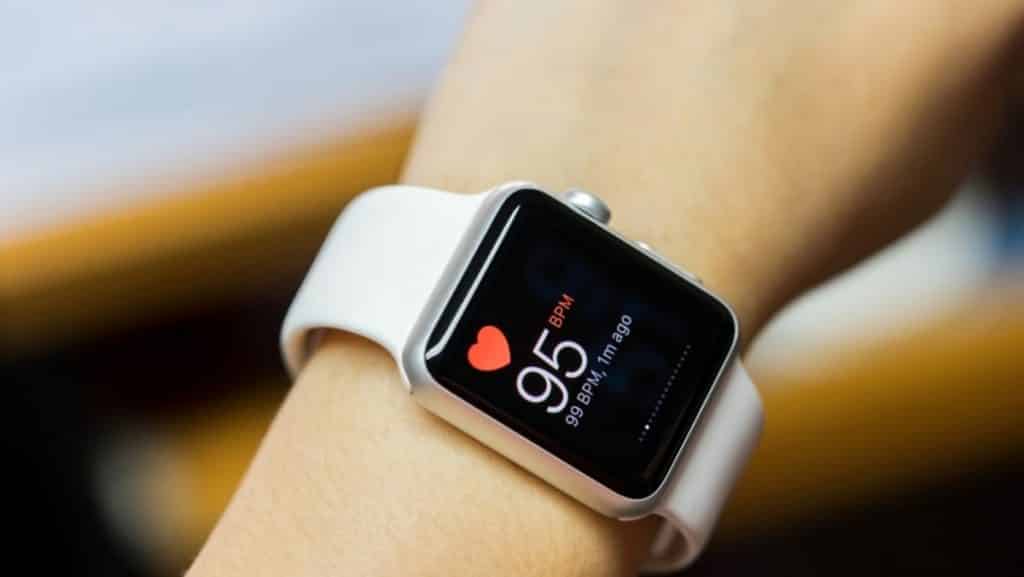
Wearable devices like smartwatches have a number of uses, including monitoring health and overall fitness. While they might be mostly used for non-medical purposes, the use of wearable devices in healthcare is starting to get more widespread and this is likely to continue in the future.
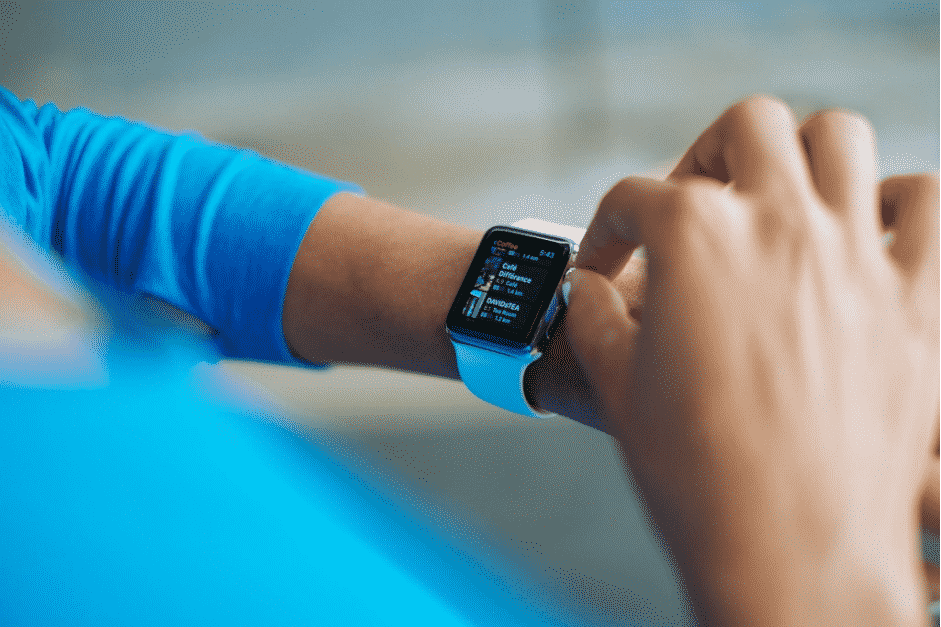
These devices have a number of benefits for patients and practitioners, but there are a few potential pitfalls to be aware of.
What are Wearable Devices?
While most people are probably familiar with smartwatches and fitness trackers, there are a great many wearable devices that can be used to monitor different aspects of a patient’s health and wellness. These include:
- Pacemakers
- Blood sugar monitors
- Heart rate monitors
- ECG monitors
- Motion sensors that can detect falls in older patients
- Fertility cycle trackers
Wearable devices in healthcare are worn in a number of different ways, including on the wrist, fingers or arms, integrated into clothing or implanted within the patient’s body.
Why are Wearable Devices becoming so Popular at the Moment?
As they become more widespread, the use of these devices is growing. This is due to a number of factors, including the development of technology to better allow for miniaturisation and the integration of devices with smartphones. There are a few factors that look likely to increase the use of wearable devices into the future, including:
- Improved supply
- Research and development improvements
- Better integration with different systems
- More features and functionality
- An ageing population, which will increase the need for wearable devices and remote monitoring.
What are the Benefits of Wearable Technology for Practitioners?
Wearable technology lets patients communicate health data to practitioners even when they’re at home. It automates the process of monitoring and recording health information, which can potentially increase accuracy and make it more likely that practitioners will get the data they need to effectively diagnose and treat their patients.

Wearable devices can also analyse information that would otherwise need to be analysed manually, saving practitioners time. If there is a health crisis, patients can quickly transmit their data to practitioners.
Are there any Downsides?
There are a few potential problems with relying too much on wearable devices. Here are three of the main pitfalls to be aware of – and what to do to prevent them becoming an issue.
- Accuracy of data. While most devices are very accurate, there can be inaccuracies if they’re not worn correctly or their batteries are not charged frequently enough. Make sure your patients are educated on the correct use of their wearables and how often they need to be charged if battery powered.
- Cost. As technology evolves, the cost of wearable devices is going down, but some can still be quite costly and this may present a challenge for patients.
- Data security. It’s important to make sure your patients’ sensitive health data is kept out of unfriendly hands. Unfortunately, cybercriminals do target healthcare organisations and there can be serious consequences if your practice experiences a data breach. Make sure your security is up to date and your patients are protected when they’re sharing data from wearable devices.
Overall, the use of wearable devices in healthcare can benefit patients and practitioners through real-time monitoring, early detection of problems and better communication. As technology advances, we’re likely to see more widespread use of these devices to help patients with a wide range of health conditions.