

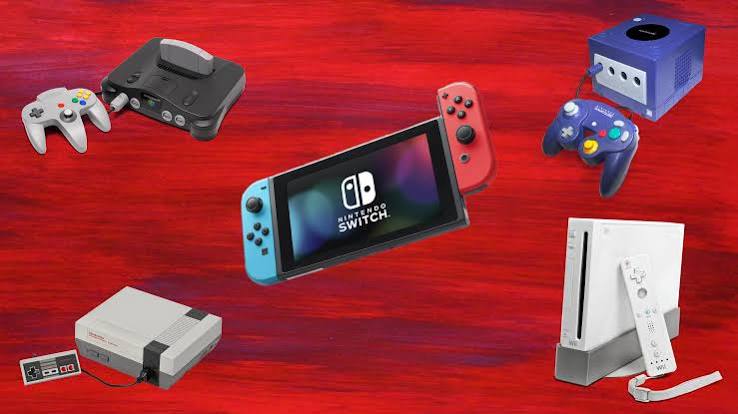
When the Nintendo Switch crossed 15 million units in North America, it marked more than a healthy hardware run. It showed that Nintendo’s hybrid idea had moved from curiosity to mainstream habit, helped by portable play, family-friendly software, and the arrival of Switch Lite. Today, that milestone also gives useful context for Nintendo Switch 2 sales, the ongoing strength of Nintendo Switch sales, and the retail questions around the Nintendo Switch 2 Amazon sales dispute (Nintendo Consoles).
Why did 15 million units matter?
The 15 million figure mattered because it arrived relatively early in the Switch’s life and showed broad North American demand for both the original Switch and Switch Lite. Nintendo said the two systems had combined to sell more than 15 million units in the region since the flagship model launched in March 2017; at the same time, the company pointed to 14 Switch games in North America selling more than 1 million units.
That combination is important. Console sales are one part of the story, but software momentum is what keeps a platform alive between hardware revisions. Games such as Mario Kart 8 Deluxe, The Legend of Zelda: Breath of the Wild, Super Mario Odyssey, and Super Smash Bros. Ultimate helped make the Switch feel less like a single-device purchase and more like an ecosystem people wanted to stay in.
Nintendo Consoles: The Switch formula was simple but unusually durable
Nintendo did not win North America by chasing the same performance race as traditional living-room consoles. The Switch succeeded because it solved a practical problem: people wanted a device that could move from TV to handheld without making gaming feel compromised. That flexibility made it appealing to commuters, families sharing a screen, college students, and players who only had short windows of free time.
Several factors helped the platform keep growing:
- Flexible play styles: docked, handheld, and tabletop modes gave the console more everyday use cases.
- Recognizable first-party games: Nintendo’s core franchises gave buyers familiar reasons to jump in.
- Local multiplayer appeal: detachable Joy-Con controllers made quick shared play easy.
- Switch Lite expansion: the lower-cost handheld-only model widened the audience for portable-first players.
What do Nintendo Switch 2 sales change?
Nintendo Switch 2 sales change the conversation from whether the hybrid concept worked to whether Nintendo can sustain it across generations. Nintendo’s official sales page listed Nintendo Switch 2 at 23.68 million hardware units worldwide and the original Nintendo Switch at 156.59 million worldwide, as of June 30, 2026.
Those numbers suggest Nintendo is not replacing a failed platform; it is extending one of its strongest hardware families. The challenge is different now. Switch 2 must give existing owners enough reason to upgrade while still welcoming new players who may be buying into Nintendo’s hybrid ecosystem for the first time.
Nintendo Consoles: Retail access still shapes the story
The Nintendo Switch 2 Amazon sales dispute became part of the launch conversation because availability matters as much as demand. Reports claimed Nintendo products were pulled from Amazon U.S. over concerns tied to third-party sellers, while both Nintendo and Amazon denied those claims.
For shoppers, the practical takeaway is straightforward: buy from clearly authorized or trusted retailers, compare bundles carefully, and watch who is actually selling the product. A hot console can attract confusing listings, inflated pricing, and unclear fulfillment details.
The bigger takeaway
The headline “Nintendo Switch Game Console Tops 15 Million Unit Sales in North America” still matters because it captured the moment Nintendo’s hybrid strategy proved its staying power. Years later, the original Switch remains a massive sales success, while Switch 2 is building on the same foundation. Nintendo’s next test is not proving the idea again; it is keeping that idea fresh enough for another generation of players.