

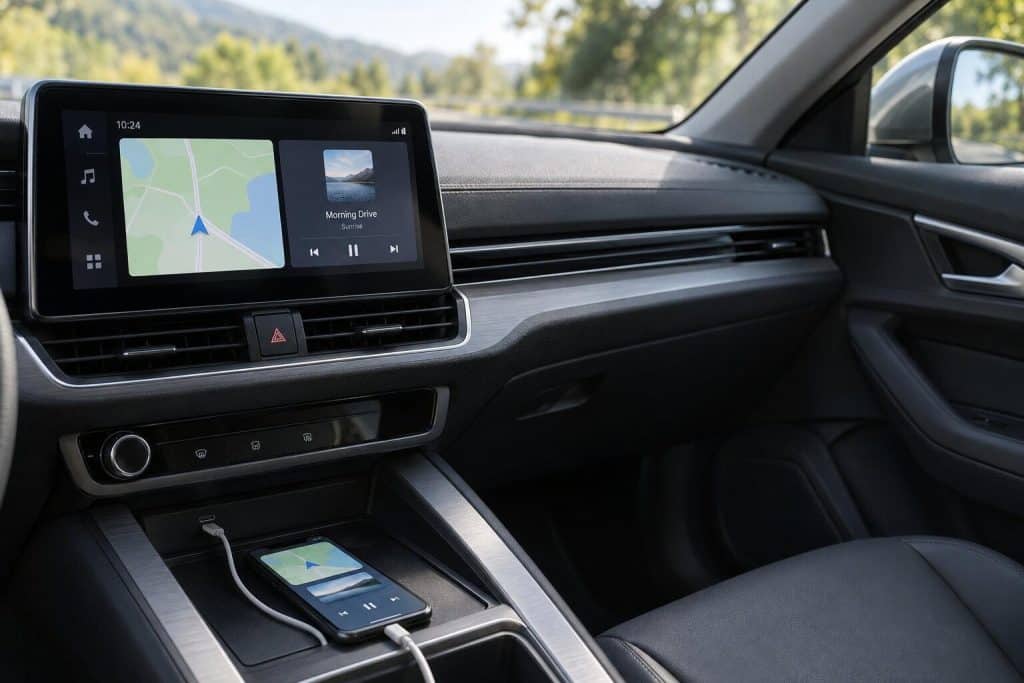
Car audio systems are evolving rapidly as drivers demand effortless connection between their vehicles and smartphones. Today’s motorists expect intuitive access to apps, music, and navigation through their dashboards. This convergence is transforming expectations and technical requirements for manufacturers in the automotive audio sector.
The growing reliance on mobile devices in daily life has dramatically influenced what people want from in-car audio. An Apple CarPlay radio exemplifies this shift, offering familiar smartphone features within the dashboard for a safer, more convenient driving experience. Seamless integration now forms the foundation of consumer satisfaction: users expect to transition easily between their phones and in-vehicle displays while maintaining full access to their digital ecosystems.
Rising consumer expectations for seamless connectivity
Modern drivers no longer consider their vehicles separate from their digital lives. Instead, they look for car audio systems that mirror or extend smartphone functionality, including favorite apps, contacts, messages, and playlists. This demand has moved beyond luxury models, setting a new standard industry-wide.
Consumers increasingly prioritize frictionless interactions, with infotainment systems expected to offer fast setup and automatic recognition of connected devices. The expectation of reliable, user-friendly dashboards drives the market towards standardized integration, minimizing manual setup and enhancing everyday convenience.
Key standards and protocols shaping car audio integration
Seamless smartphone integration relies on technical standards and protocols that govern data transfer, command interpretation, and interface design. Widely adopted protocols for wireless and USB connections, along with industry certifications, allow drivers to enjoy consistent audio experiences across different brands and devices.
These standards help manufacturers create dashboards that support uniform controls for calls, media, and navigation. By reducing the learning curve, standardized systems help keep drivers’ attention on the road while maintaining easy access to essential features.
Hardware, user interfaces, and the influence of leading brands
Advancements in hardware and design have resulted in dashboards supporting multiple connectivity options, from USB and Bluetooth to Wi-Fi and voice control. Consumers expect responsive touchscreens, high-quality audio, and swift system performance regardless of the connected device.
Companies like Pioneer Audio have adapted by developing in-car systems that prioritize both compatibility with new smartphone models and user-friendly features such as touchscreen navigation and seamless device pairing. These innovations reflect broader industry efforts to stay ahead of rapid changes in consumer technology and expectations.
Audio delivery, privacy, and the challenges ahead
The trend toward streaming services and app-based audio brings new requirements for car audio systems, including reliable management of audio routing, latency, and codec compatibility. Today’s drivers also expect clear, high-quality sound and dependable performance no matter which device or app they use.
As smartphone integration deepens, privacy and security considerations become increasingly important. Regular firmware updates and transparent permission settings now influence which systems consumers choose, with support for the newest standards playing a central role in both new purchases and aftermarket upgrades. The evolution of car audio continues to revolve around not just sound quality, but how effectively a vehicle serves as an extension of the digital world.