

Filipino card games have a talent for turning ordinary gatherings into memorable competitions. A deck of cards appears, someone deals, and suddenly everyone has an opinion about the next move. Tongits, Pusoy, and Pusoy Dos have long been part of that familiar gaming culture.
Now, the table can be digital.
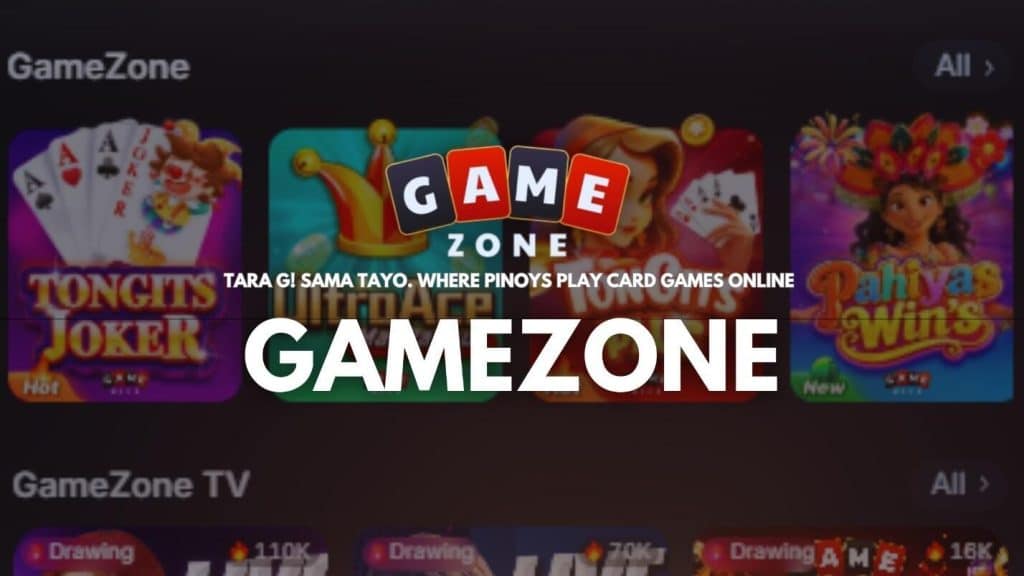
GZone, the shortened name for GameZone, brings several familiar Filipino card-game formats into an online environment. Its broader selection includes Tongits, Pusoy, Pusoy Dos, Bingo, and other digital entertainment options.
The setting may have changed from a physical table to a screen, but the appeal of recognizable Filipino games remains.
GZone’s Filipino Card-Game Lineup
A gaming hub becomes more interesting when its collection reflects the people using it. For GZone, Filipino card games provide a clear connection to local gaming culture.
Tongits brings a familiar multiplayer card-game experience. Pusoy offers hand arrangement and comparison, while Pusoy Dos follows its own rules and style of play. Then there is Bingo, which steps away from traditional card-game mechanics and introduces a stronger element of chance.
Put them together and you get a digital mix that covers more than one kind of game.
GZone’s identity is therefore not simply about putting lots of titles in one place. Its selection includes games that many Filipino players already recognize, making the transition from traditional play to online entertainment easier to understand.
Tongits Takes a Digital Seat
Tongits hardly needs an introduction to Filipino card-game fans.
The traditional game involves managing cards, forming combinations, and deciding what stays in the hand and what gets discarded. Online versions transfer those familiar elements to a digital interface, where the platform handles the cards and game mechanics.
GZone includes Tongits Plus within its multiplayer card-game offering. Its wider Tongits ecosystem also includes organized competitions through the GZone Tour, giving the game a competitive setting beyond individual online matches.
For longtime players, the digital format offers something recognizable in a new environment. For newer players, it provides an example of how a traditional Filipino card game can make the jump online without completely losing its identity.
The deck may now live behind a screen, but Tongits is still Tongits.
Pusoy and Pusoy Dos Are Not Twins
The names may look related, but Pusoy and Pusoy Dos are separate games.
Traditional Pusoy generally centers on arranging a 13-card hand into different groups and comparing their strength. The order of the hands matters, which gives the game its own particular rhythm.
GZone’s Pusoy selection includes formats such as Pusoy Plus, Pusoy Wild, and Pusoy Jackpot, alongside Pusoy Dos. Individual formats can have different mechanics and availability, so checking the current game information is important.
Pusoy Dos follows a different structure, with gameplay centered on sequencing and shedding cards.
That distinction is worth remembering. Similar names do not magically make two card games identical. Human beings have already caused enough confusion by giving different things nearly identical names.
What Happens When Traditional Games Go Online?
Going digital does more than move cards onto a screen.
In a physical setting, players need the same table, the same deck, and everyone needs to be in the same place. Online platforms remove much of that logistical juggling. The digital system can handle elements such as dealing, interfaces, and game results while players interact through the platform.
The social environment changes, too.
Instead of sitting beside family members or friends, players can encounter multiplayer formats through an online setting. The conversation around a physical table may be different from online interaction, but the competitive element can still feel familiar.
This is one reason Filipino card games translate naturally into digital spaces. Their basic concepts are already recognizable, so the technology mainly changes how and where players experience them.
Bingo Brings a Different Flavor
GZone is not limited to traditional card games.
Bingo adds another category of online entertainment, relying on numbers and chance rather than the hand-management mechanics associated with Tongits or Pusoy.
That difference is important.
Card games can involve player decisions, while chance-based games such as Bingo depend substantially on random outcomes. Understanding that distinction helps players approach different games with realistic expectations.
Bingo also reinforces GZone’s broader role as an online gaming hub. Instead of focusing on one narrow category, the platform brings together familiar Filipino card games and other forms of digital entertainment.
Sometimes you want to think through a hand. Sometimes you watch the numbers do their thing. The digital world has room for both.
Why GZone Feels Connected to Filipino Gaming Culture
GZone’s Filipino identity comes largely from the games it brings together.
Tongits represents a familiar multiplayer card-game tradition. Pusoy introduces another form of hand-based play, while Pusoy Dos provides a distinct card-game structure. Bingo expands the selection into chance-based entertainment.
This combination creates a recognizable connection between Filipino gaming culture and online play.
GameZone’s tagline, “Tara G! Sama Tayo. Where Pinoys Play Card Games Online,” reflects that positioning. The emphasis is on bringing familiar card-game experiences into a digital environment where players can encounter traditional concepts in online formats.
The result is a platform that can be understood through the games themselves rather than through technology alone.
A Digital Game Still Needs Real-World Boundaries
Online access can make gaming convenient, but convenience should not erase common sense.
Responsible gaming starts with treating games as entertainment rather than a guaranteed source of income. Chance-based outcomes cannot be controlled by playing more frequently, increasing stakes, or trying to force a particular result.
Even games involving strategic choices do not guarantee a specific outcome.
Practical boundaries include:
- Set an entertainment budget before playing.
- Keep essential expenses separate from gaming funds.
- Do not chase losses by increasing bets to recover money.
- Take breaks during long or emotionally charged sessions.
- Learn the rules and mechanics of a game before playing.
- Keep gaming separate from financial responsibilities.
- Use responsible-gaming or self-exclusion tools when taking a break is necessary.
GZone’s responsible-gaming information also includes measures associated with PAGCOR’s Responsible Gaming Code of Practice, including age restrictions, restricted-player controls, and exclusion mechanisms.
The basic idea is refreshingly uncomplicated: online gaming should remain entertainment, not become another source of financial pressure.
From Familiar Tables to Digital Play
The evolution of Filipino card games does not necessarily mean leaving traditional gaming culture behind.
Tongits, Pusoy, and Pusoy Dos remain recognizable names, even when they appear through a digital interface. Bingo adds another form of online entertainment, while GZone brings these different experiences together within a broader platform.
That makes GZone part of a larger shift in how familiar games can be experienced.
The physical table may be gone for the moment. The cards are now on a screen. The competitive spirit, however, has clearly figured out how to get Wi-Fi.