

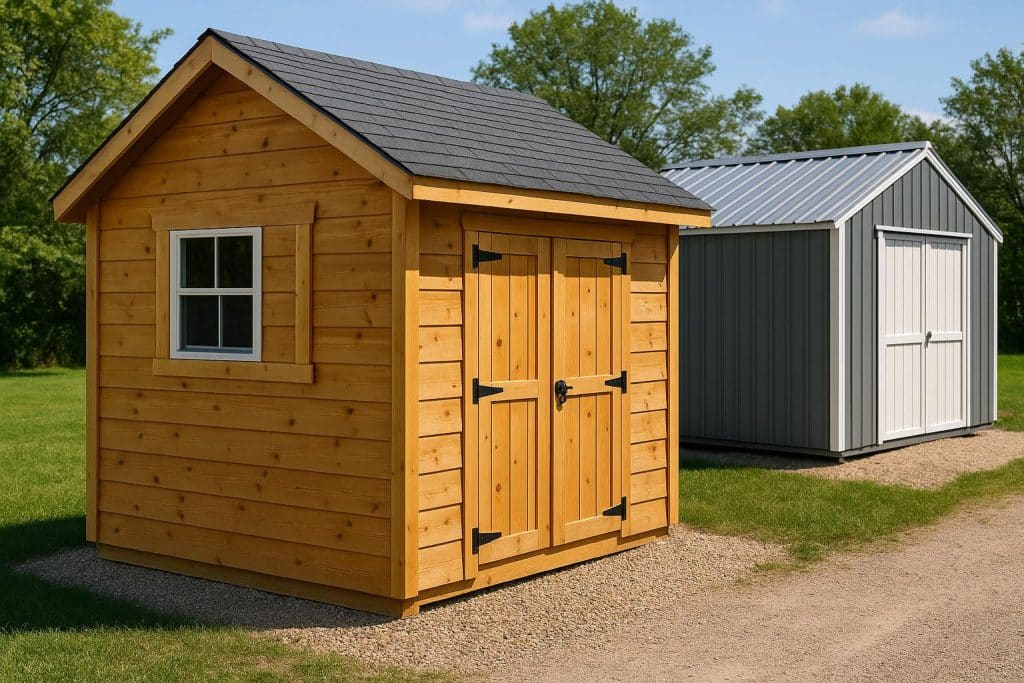
Shed buyers are now becoming more selective in 2026. They want storage that fits tight yards, neighborhood rules, hobbies, equipment, and future plans. That shift explains why custom sheds are gaining ground over standard prefab models.
A basic building can still solve a simple storage problem, but many owners now see a shed as a long-term property feature. Better sizing, smarter layouts, and stronger material choices are driving the change.
Why Buyers Are Moving Past Standard Models
Prefab sheds appeal to shoppers who need quick storage with limited decisions. Yet fixed sizes and preset layouts can create wasted space. A mower may fit, while bikes, shelves, and garden tools still crowd the floor. Homeowners comparing custom-built sheds for sale often look for practical control over door placement, loft space, window light, siding, and roof style before making a final choice.
Custom ordering also helps buyers avoid paying for features they do not need. A homeowner storing patio furniture may value double doors and wall vents. Another may need a lofted barn for seasonal bins. Someone using the shed as a workshop may care more about windows, electrical planning, and floor strength. It is evident that each unique use calls for a different solution.
Space Planning Is Now a Priority
The variety of outdoor equipment has increased, and many yards have shrunk. Battery mowers, snow blowers, kayaks, garden carts, and pool supplies all need different clearances. A prefab unit may be close in size, but close is often costly. Poor fit leads to blocked paths, tight turns, and storage that feels full from day one.
A custom shed starts at the site. Buyers can measure fence gates, slopes, tree lines, setback rules, and drainage. Then they can choose a footprint that works with the property instead of against it. That planning keeps the building useful after the first season.
Layout Matters More Than Square Footage
A larger shed is not always better. Door swing, wall height, loft position, and aisle space can matter more than total area. For example, a 10 by 16 shed with wide double doors may work better than a wider model with a narrow entrance. Smart layout reduces daily frustration.
Design Rules Are Getting Stricter
Many neighborhoods now pay closer attention to outdoor structures. Homeowners associations, city permits, and property line rules can affect height, color, roof pitch, and placement of the shed. Prefab sheds may align with some rules, but they rarely match every condition.
However, custom shed options make compliance easier. Buyers can select siding colors that match the home, choose lower roof profiles, or adjust dimensions before delivery. That reduces the risk of ordering a building that must be moved, modified, or replaced.
Value Is More Than Sticker Price
Prefab sheds often look cheaper at first. The real cost depends on how well the building performs over time. If storage is too cramped, owners may add another unit, rent off-site space, or replace the shed early. Those costs can erase the initial savings.
Custom sheds can cost more upfront, yet they may deliver better long-term value. The buyer can select features that support daily use, such as reinforced floors, ramps, extra doors, lofts, vents, or workbench space. Better fit can also help preserve yard access and curb appeal.
Faster Ordering Has Changed Expectations
Customization used to sound slow and difficult. Today, online builders and instant pricing have changed that view. Buyers can compare styles, sizes, features, and estimated costs before speaking with anyone. That gives them more confidence and fewer surprises.
Short production windows also make custom ordering more practical. If a build-to-order shed can arrive within weeks, the speed gap between custom and prefab narrows. Many buyers are willing to wait a little longer for a building that fits better for years.
Practical Questions Before Choosing
The best shed choice starts with use, not appearance. Buyers should list every item that needs storage, then allow room for future purchases. They should measure the largest machine, note turning clearance, and decide which items need fast access.
Site conditions come next. A level base, delivery path, drainage plan, and local rules all affect the final choice. Skipping these checks can cause delays or added expense. A careful plan helps buyers choose size, style, and options with fewer regrets.
Conclusion
Custom sheds are outselling prefab options because buyers want buildings that solve real problems, not approximate them. Better space planning, rule compliance, material selection, and online pricing have made custom orders easier to justify.
Prefab models still suit simple needs, but storage demands have become more personal. For homeowners who expect a shed to serve for many years, a planned design often offers stronger value.