

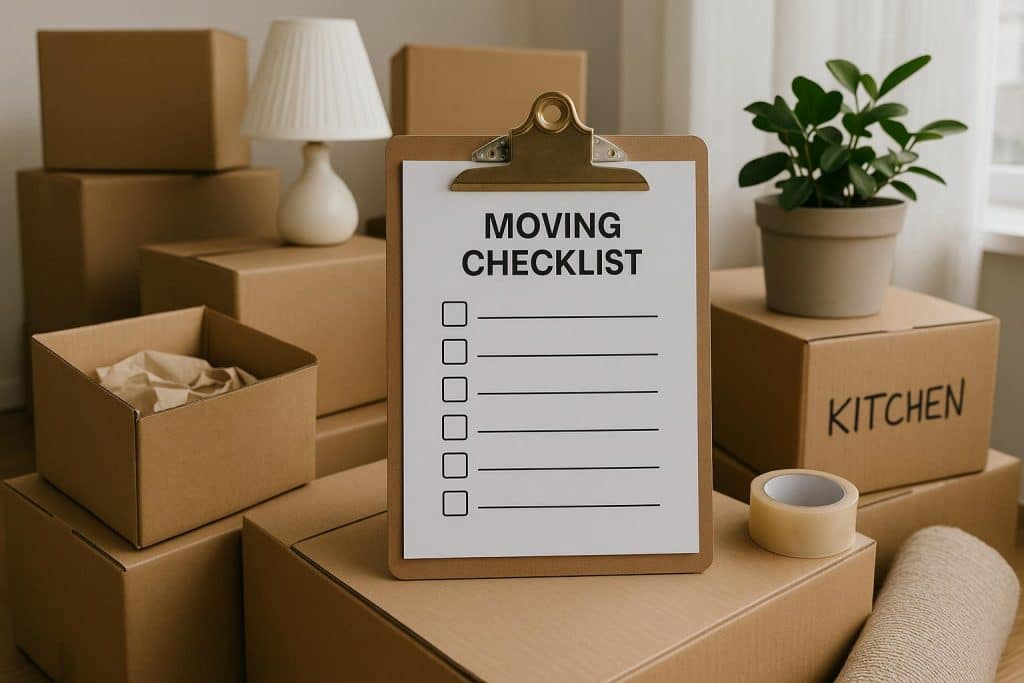
Moving house has a special talent for making calm, capable adults feel like they’ve lost control of time. For weeks, everything seems manageable. You collect a few boxes, tell yourself you’ll start properly on the weekend, and maybe even pack three mugs and a vase before deciding you’ve earned a break. Then moving day gets closer, and suddenly every cupboard appears to contain twice as much stuff as it did yesterday.
This is why good packing tips for moving house are less about becoming perfectly organised and more about avoiding the classic last-minute scramble. You don’t need a colour-coded master system worthy of a home organisation show. You just need a practical plan that keeps the process from turning into ten mystery boxes labelled “misc.”
Start With the Things You Won’t Miss
The easiest mistake is packing the things you need too early and leaving the things you never use sitting untouched until the night before. A better approach is to begin with the low-risk items: spare linen, out-of-season clothes, books, decorations, serving dishes, extra towels, rarely used appliances and anything sitting in a cupboard “just in case.”
This gives you momentum without disrupting daily life. It also shows you how much packing material you’ll actually need, which is usually more than you expected. Boxes disappear quickly once you start filling them properly, especially when you realise half your home is made up of awkwardly shaped objects that refuse to stack neatly.
Labelling matters too, but keep it useful. “Kitchen” is fine, but “Kitchen — plates and bowls” is better. “Bedroom” helps, but “Bedroom — winter clothes” saves future-you from opening six boxes just to find a jumper. The aim isn’t to impress anyone with your system; it’s to make unpacking less annoying.
Make a Moving Day Survival Box
Every move needs one box or bag that doesn’t disappear into the pile. This is where you keep the things you’ll want immediately: chargers, toiletries, medication, toilet paper, basic cleaning supplies, snacks, water bottles, a change of clothes, important documents, pet items if needed, and enough kitchen basics to make a coffee or eat something simple.
It sounds obvious, but it’s amazing how often people accidentally pack the things they need most. Nobody wants to be searching through taped-up boxes at 10pm trying to find a toothbrush, a phone charger or the kettle. Moving day is tiring enough without turning basic survival into a treasure hunt.
Also, don’t underestimate the emotional weight of the final clean-out. The last twenty percent of packing often takes longer than expected because it includes all the annoying leftover items: cables, keys, cleaning products, half-used pantry goods, wall hooks, random screws, and the mysterious drawer that seems to exist in every home.
Pack for the Unpack, Not Just the Move
It’s tempting to think only about getting everything out of the old place, but the real win is making the new place easier to settle into. Pack items from the same area together, protect fragile pieces properly, and avoid mixing unrelated things just because there’s space left in a box.
A Smoother Move Starts Earlier Than You Think
Moving house will probably never feel effortless, but it can feel much less chaotic. Start earlier, label clearly, keep essentials close, and give yourself permission to be practical rather than perfect. The goal isn’t to create the prettiest stack of boxes; it’s to arrive at the new place with enough order that you can actually breathe.