

Road conditions in California play a major role in the number and severity of car accidents across the state. From congested urban highways to winding mountain roads and weather-related hazards, drivers face constant risk factors that go beyond simple driver error. These conditions often determine how quickly a crash happens and how severe the outcome becomes.
One law firm that regularly handles these cases is The May Firm, a car accident law firm led by attorney Robert May. The firm represents injury victims involved in crashes caused by unsafe road environments, negligent drivers, and poor roadway maintenance. Many of these cases involve proving that road conditions directly contributed to the collision, not just driver behavior alone. This distinction often becomes critical in securing fair compensation for victims.
California’s diverse geography and heavy traffic make road safety a complex issue. Understanding how road conditions impact accidents helps explain why certain areas report higher crash rates and why legal claims often involve multiple contributing factors.
Heavy Traffic and Congested Highways
California is known for some of the busiest highways in the United States, including the I-5, I-10, and I-405 corridors. In major cities like Los Angeles, San Diego, and San Francisco, congestion is a daily reality.
Stop-and-go traffic increases rear-end collisions, one of the most common accident types in the state. Drivers often follow too closely, react late, or become distracted during slow-moving traffic. Sudden braking in congested lanes can trigger chain-reaction crashes involving multiple vehicles.
Traffic congestion also reduces visibility and creates unpredictable driving patterns. Lane changes become more frequent, and aggressive driving behaviors such as cutting off other vehicles become more common. These conditions significantly increase the likelihood of accidents even when drivers are careful.
Poor Road Maintenance and Potholes
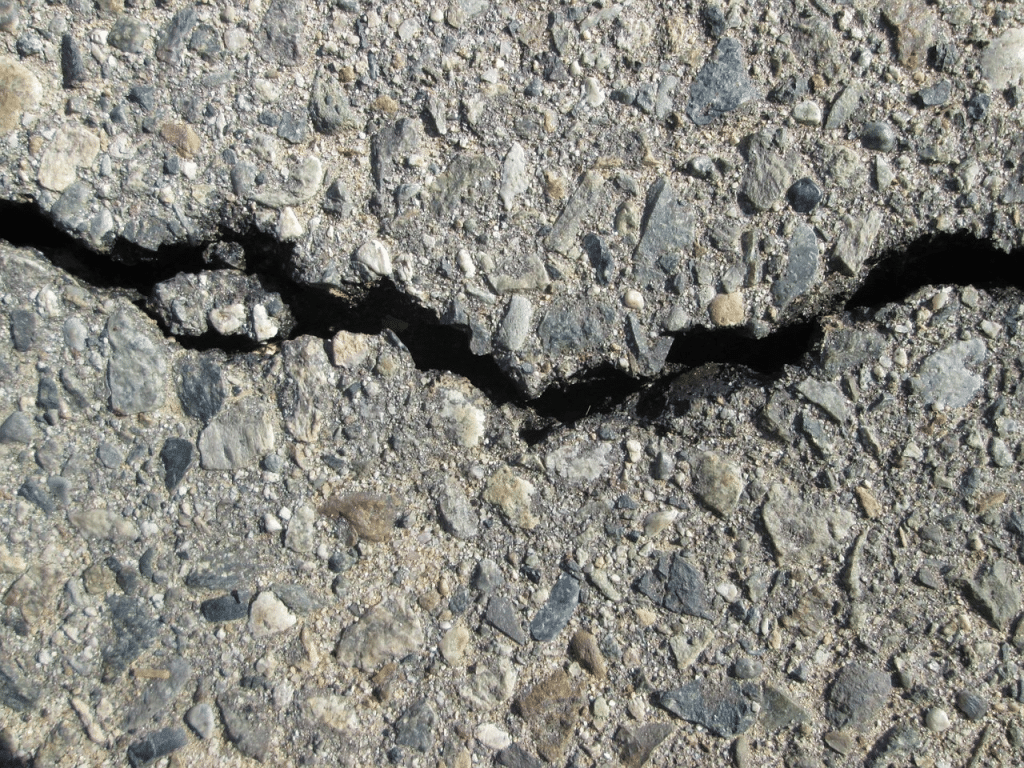
Road maintenance issues are another major contributor to accidents across California. Potholes, uneven pavement, cracked asphalt, and poorly maintained shoulders create dangerous driving conditions.
A deep pothole can cause tire blowouts, suspension damage, or loss of vehicle control. Motorcycles are especially vulnerable, as even a small road defect can lead to a serious crash.
In some cases, drivers swerve to avoid potholes and end up colliding with other vehicles. When road maintenance failures contribute to an accident, liability may extend beyond the driver and involve government agencies or contractors responsible for upkeep.
Construction Zones and Road Work Hazards
California frequently has construction zones due to infrastructure upgrades and road expansion projects. While these projects are necessary, they create temporary hazards for drivers.
Common issues in construction zones include:
- Sudden lane shifts
- Narrowed lanes
- Uneven pavement transitions
- Reduced speed limits
- Confusing signage
These factors often lead to rear-end collisions and side-impact crashes. Drivers unfamiliar with the area may misjudge lane changes or fail to notice sudden traffic pattern shifts.
Construction zones also increase the risk of worker-related accidents, where vehicles may collide with construction equipment or personnel. Liability in these cases can involve multiple parties, including contractors and traffic management planners.
Weather-Related Road Conditions
Although California is known for its mild climate, weather still plays a significant role in road safety. Different regions experience different hazards.
Rain and Wet Roads
Even light rain can create dangerous driving conditions, especially after long dry periods. Oil buildup on roads rises to the surface, making pavement extremely slippery.
Wet roads reduce tire traction and increase stopping distances. Hydroplaning becomes a serious risk at higher speeds, particularly on highways.
Fog in Coastal and Valley Areas
Dense fog is common in areas such as the Central Valley and coastal regions. Visibility can drop suddenly, making it difficult for drivers to see other vehicles, road signs, or obstacles.
Fog-related accidents often involve multi-vehicle pileups due to reduced reaction time and poor visibility spacing.
Heat and Tire Blowouts
Extreme heat, especially in inland California regions, can cause tire blowouts and road surface expansion. Overheated asphalt may become soft or uneven, increasing the risk of vehicle instability.
Drivers who fail to maintain proper tire pressure or vehicle condition are more vulnerable under these conditions.
Mountain Roads and Rural Highways
California’s scenic mountain roads and rural highways present a different set of risks. Areas like the Sierra Nevada and coastal mountain routes include steep inclines, sharp curves, and limited guardrails.
Common dangers include:
- Blind curves
- Steep drop-offs
- Narrow lanes
- Wildlife crossings
- Limited lighting
These roads require slower speeds and higher driver awareness. Accidents in these areas are often severe due to the terrain, with higher chances of rollovers or vehicles leaving the roadway entirely.
Emergency response times can also be longer in rural areas, increasing the severity of injury outcomes.
Urban Road Design and Intersection Risks
Urban areas in California are designed for high traffic flow, but intersections remain high-risk zones. Many accidents occur due to:
- Failure to yield
- Red-light running
- Improper left turns
- Distracted driving
Complex intersections with multiple lanes, bike lanes, and pedestrian crossings increase the likelihood of misjudgment. Pedestrian accidents are especially common in densely populated cities where foot traffic and vehicle traffic intersect frequently.
Poorly timed traffic lights or unclear signage can further contribute to confusion and collisions.
Roadway Visibility Issues
Visibility is a critical factor in accident prevention. In California, several conditions can reduce visibility:
- Sun glare during sunrise or sunset
- Fog in coastal and inland valleys
- Smoke from wildfires
- Poorly lit rural roads at night
Sun glare is a frequent cause of accidents on east-west highways during peak commute hours. Drivers may temporarily lose sight of vehicles ahead, leading to rear-end collisions.
Wildfire smoke is another growing concern, reducing visibility across large regions and making driving conditions unpredictable even during daytime hours.
Driver Behavior Combined with Road Conditions
While road conditions are significant, they often interact with driver behavior to cause accidents. Common contributing behaviors include:
- Speeding in poor conditions
- Distracted driving
- Following too closely
- Unsafe lane changes
- Driving under fatigue
When road conditions are already hazardous, even minor driver mistakes can lead to serious crashes. For example, a slight delay in braking on a wet road can double stopping distance and result in a collision.
Liability in Road Condition-Related Accidents
Determining liability in accidents caused by road conditions can be complex. In some cases, responsibility may extend beyond drivers to include:
- Government entities responsible for road maintenance
- Construction contractors
- Vehicle manufacturers (in cases of mechanical failure triggered by road conditions)
Proving liability often requires accident reconstruction, maintenance records, and expert testimony. This is where legal representation becomes important, especially in cases involving severe injuries or disputed fault.
Firms like The May Firm, led by Robert May, handle these investigations to determine whether unsafe road conditions played a direct role in the crash and whether compensation is warranted.
What Drivers Can Do to Reduce Risk
While drivers cannot control road conditions, they can reduce risk by adjusting driving behavior.
Key safety practices include:
- Reducing speed in rain, fog, or construction zones
- Increasing following distance in traffic
- Avoiding sudden lane changes
- Keeping tires and brakes in good condition
- Staying alert in unfamiliar areas
Defensive driving becomes especially important in California due to the combination of traffic density and environmental variability.
What to Do After an Accident Caused by Road Conditions
After a crash, the steps taken can significantly affect both recovery and legal outcomes:
- Check for injuries and call emergency services
- Document the scene, including road hazards
- Take photos of weather, traffic, and road conditions
- Collect witness statements if available
- Seek medical attention immediately
- Consult a legal professional if road conditions may have contributed
Road condition evidence can disappear quickly, especially in construction zones or changing weather, so early documentation is important.
Conclusion
Road conditions in California are a major factor in vehicle accidents, influencing everything from minor collisions to catastrophic crashes. Heavy traffic, weather changes, construction zones, and infrastructure issues all contribute to a higher risk environment for drivers.
Understanding these conditions helps explain why accidents happen even when drivers are cautious. It also highlights the importance of proper road maintenance, responsible driving behavior, and legal accountability when negligence is involved.
In cases where unsafe road conditions play a role, legal support becomes essential. Firms like The May Firm, led by Robert May, focus on representing accident victims and investigating the root causes of crashes to help ensure fair outcomes for those affected.