

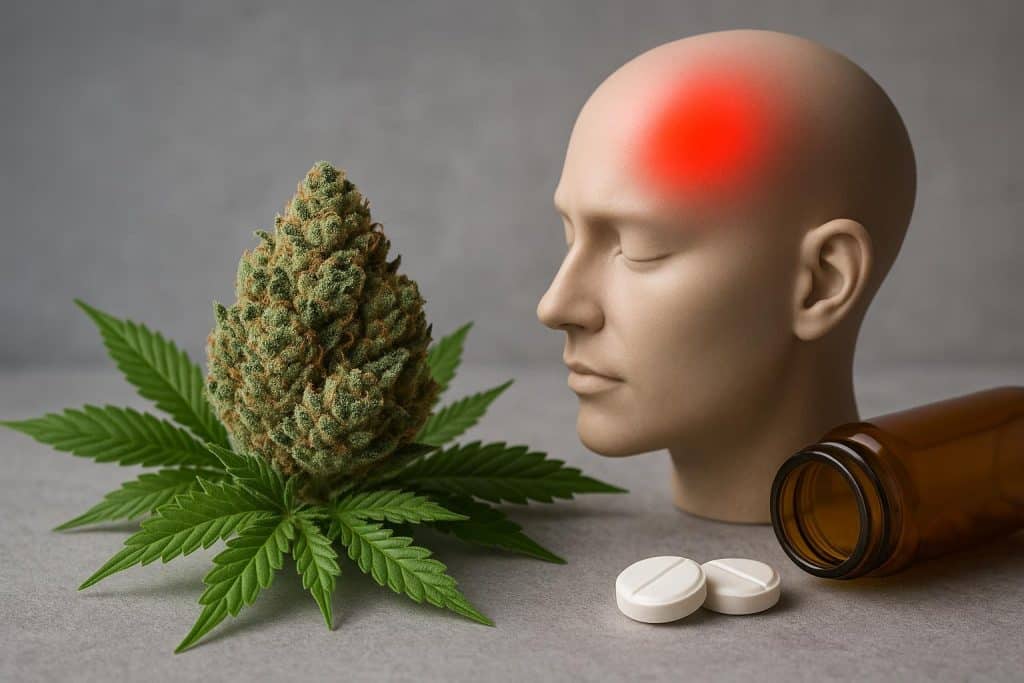
Migraines and persistent headaches can be debilitating, often bringing intense pain, light sensitivity, nausea, and a complete inability to function normally. Because standard medications don’t always work for everyone, many wellness users explore cannabis strains for migraine and headache relief as a potential way to manage symptoms through pain modulation, relaxation, and nervous system regulation.
Current research suggests that cannabinoids like THC and CBD may influence pain signaling, inflammation, and nausea pathways, which are all involved in migraine attacks. However, effects vary widely depending on strain type, terpene profile, dosage, and individual sensitivity.
How Cannabis May Help With Migraines and Headaches
Cannabis interacts with the body’s endocannabinoid system, which plays a role in regulating pain perception, inflammation, and neurological sensitivity. THC may reduce pain intensity and nausea, while CBD may help calm inflammation and support stress-related triggers that often contribute to migraine onset.
Some early clinical evidence suggests that a combination of THC and CBD may provide more effective migraine relief than either compound alone, particularly for reducing pain intensity within a few hours of use.
However, cannabis is not a standardized migraine treatment, and responses can differ significantly from person to person.
Indica-Dominant Strains for Strong Physical Relief
Indica-dominant strains are often preferred for migraine episodes that involve severe pain, muscle tension, or the need to rest in a dark environment. These strains tend to produce more body-focused effects, which can help reduce physical discomfort and promote relaxation.
Strains commonly associated with migraine relief include Purple Kush and Granddaddy Purple, which are often reported to help users relax deeply during acute headache episodes.
These strains are typically best suited for nighttime use or during the peak of a migraine attack, especially when the goal is to reduce sensory overload and encourage rest.
Hybrid Strains for Balanced Symptom Control
Hybrid strains are often considered the most practical option for users who experience migraines with varying intensity or who need symptom relief without full sedation. These strains combine both Indica and Sativa characteristics, allowing for a more balanced effect profile.
Balanced hybrids like Cannatonic are frequently used in migraine management discussions because they contain both THC and CBD, offering potential pain relief without overwhelming psychoactive effects.
Hybrids are often preferred for users who want some functional clarity while still addressing headache-related discomfort.
Sativa-leaning Strains for Early Stage or Functional Use
Sativa-leaning strains are sometimes used during the early stages of a migraine or for milder headache symptoms where users still need to remain active. These strains are often associated with uplifting or mentally stimulating effects.
Some users report that Sativa-dominant strains with pinene or limonene terpenes may help distract from pain and improve mood during early migraine onset. Community reports also suggest that certain “head-focused” Sativa strains may help with ocular migraines or tension-related symptoms, although responses are highly individual.
However, Sativas can also worsen symptoms in some users, especially if anxiety or sensory sensitivity is a trigger.
Terpenes That Matter More Than Strain Names
While strain categories are helpful, terpene profiles often play a bigger role in how cannabis affects migraines.
Myrcene is commonly associated with deep physical relaxation and may help reduce tension-related headaches. Caryophyllene is known for its potential anti-inflammatory properties, which may support pain modulation. Limonene and pinene are often linked to mental clarity and mood support, which may be useful in early migraine stages.
Some research and anecdotal reports suggest that strains containing myrcene and caryophyllene are frequently preferred by migraine users for their calming and pain-relieving effects.
CBD-Dominant Options for Prevention and Sensitivity
CBD-rich strains and products are often explored for migraine prevention rather than acute treatment. CBD may help regulate inflammation and reduce stress-related triggers that contribute to migraine frequency.
Some users find that consistent CBD use helps reduce the intensity or recurrence of migraines over time, although results vary and research is still developing. CBD is also non-intoxicating, making it more suitable for daytime or preventative routines.
Common Mistakes When Using Cannabis for Migraines
One of the biggest mistakes users make is taking too much THC during an active migraine, which can sometimes increase sensitivity or cause additional discomfort. Another issue is inconsistent dosing, which makes it difficult to determine what actually works.
Method of consumption also matters. Inhalation methods tend to work faster for acute symptoms, while edibles take longer but may last longer.
Finally, not every strain works the same way for every user, and what provides relief for one person may worsen symptoms for another.
The Bigger Picture: Symptom Management, Not a Cure
Cannabis may offer symptom relief for some migraine and headache sufferers by influencing pain perception, inflammation, and stress response. However, it is not a guaranteed or standardized treatment, and medical guidance is important, especially for chronic or severe cases.
The most effective approach often involves experimentation with low doses, attention to terpene profiles, and careful tracking of individual response patterns over time.
Product consistency also plays a role in predictability. Reliable sourcing from platforms like Packsdash helps ensure more stable cannabinoid profiles, which is essential when trying to manage a condition as variable as migraines.
FAQ
1. What cannabis strains are best for migraines?
Indica-dominant strains, balanced hybrids, and CBD-rich strains are commonly used depending on symptom severity and timing.
2. Can CBD help with migraines?
CBD may help reduce inflammation and stress-related triggers, which could support migraine prevention for some users.
3. Is THC good for headache relief?
THC may reduce pain and nausea, but effects vary and high doses can sometimes worsen symptoms in sensitive users.
4. What terpenes are best for migraines?
Myrcene, caryophyllene, limonene, and pinene are often associated with migraine-friendly effects.
5. Should I use cannabis during a migraine attack?
Some users find relief, but responses vary widely, so low doses and careful experimentation are important.