

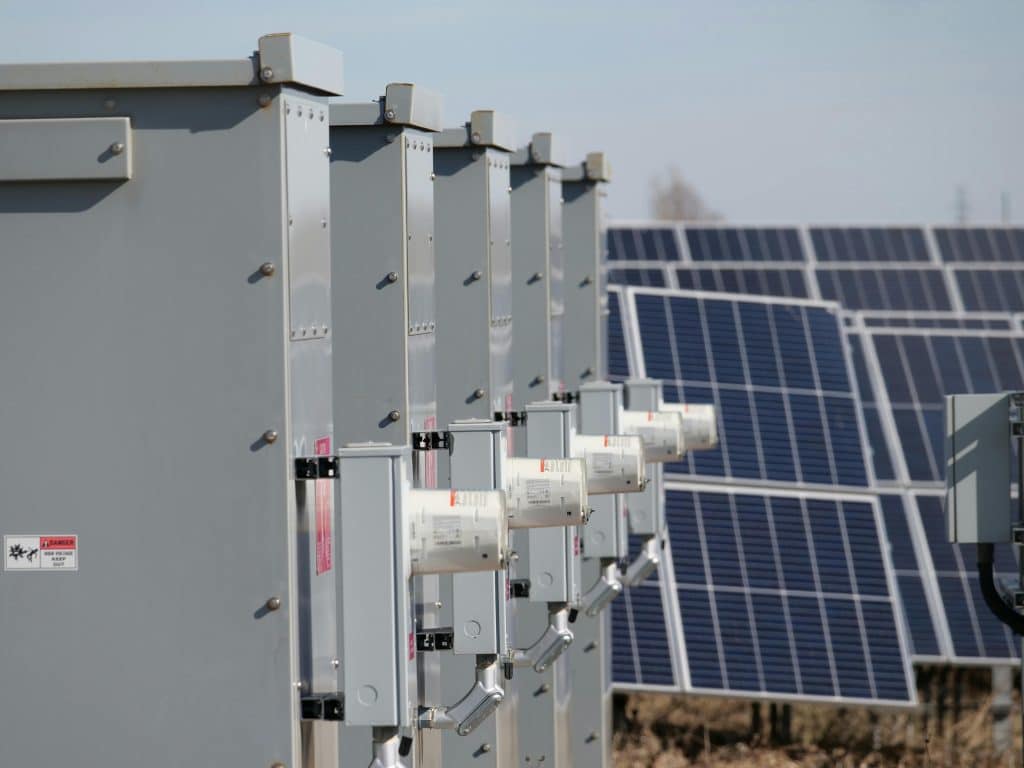
The story usually goes like this. A rural property owner gets a solar quote, decides the numbers work, books the installation, and then discovers somewhere in the process that the property is not actually ready for what they just ordered. Not because the property is unusual. Because rural electrical infrastructure has a habit of being older, more varied in condition, and less prepared for grid-connected solar than it looks from the outside.
The good news is that none of this is unfixable. The better news is that knowing what to expect makes it considerably less surprising and considerably less expensive to deal with.
1. Old Switchboards Are the Starting Point, Not an Afterthought
Switchboards on rural properties carry a lot of history. Added circuits over decades. Equipment installed by whoever was available at the time. Original components that were fine for the load they were managing in 1994 and are less fine for the load they are managing now, plus a solar system feeding power back through them.
Grid-connected solar has specific requirements: residual current devices, correct breaker ratings, surge protection, and room for the additional circuits the system introduces. Many rural switchboards have none of these configured correctly.
Solar installers Cuballing identify these issues during the site assessment, before the installation date is locked in. The switchboard upgrade flagged at assessment is not an upsell. It is a requirement that the network operator will insist on before approving the grid connection, regardless.
2. The Meter Has to Change, and That Is a Specific Type of Job
Standard single-direction meters measure what the property draws from the grid. That is all they do. They cannot record power being sent back. Without a bidirectional meter, the solar system generates, the excess goes nowhere useful, and the financial case for the installation falls apart.
Meter upgrades sit in a category of work that not every electrician is authorised to carry out. It is connection work between the property’s internal wiring and the network itself.
A level 2 electrician holds the specific accreditation that covers this work. Getting one involved before the solar installation is booked, rather than after the system is commissioned and the wrong meter is still in place, saves a delay that nobody budgeted for.
3. Wiring Condition Across the Property Is Rarely Uniform
The homestead built in the 1970s, the shed wired in 1989, the pump station added in 2003, and the new workshop done three years ago: all on the same property, all potentially wired to different standards with different materials in different conditions. Solar injects current into the entire internal network. Every part of that network needs to be able to handle it safely.
A pre-installation electrical audit that covers the full property catches the sections that would cause problems under solar load. Better to find them before the system is live than after.
4. Earthing and Surge Protection Matter More in the Country
Lightning strikes, grid voltage surges, and the general unpredictability of rural power supply are more frequent realities in regional Western Australia than in suburban areas. A solar system is additional infrastructure exposed to all of those events. Earthing that was adequate for the property before solar may not be adequate for the system afterwards. Surge protection that did not exist before becomes important once there is equipment worth protecting.
Neither of these is expensive to include during installation. Both are expensive to retrofit after a surge has already visited.
Conclusion
Rural solar installations that go smoothly are the ones where the electrical infrastructure work happened first. Switchboard, meter, wiring audit, earthing and surge protection. Sort those four, and the installation itself is the easy part.