

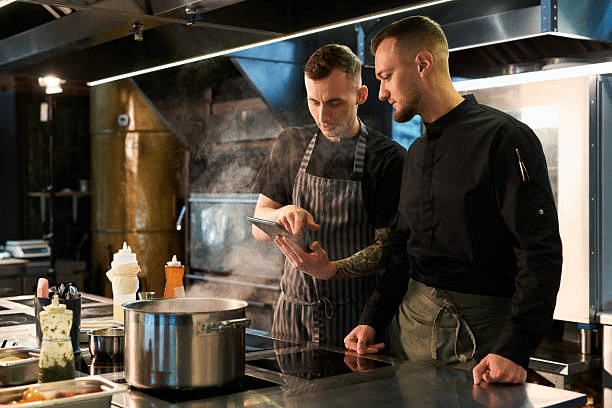
Are you trying to make your restaurant kitchen work in a clear, calm, and well-planned way every day?
In many restaurants, the kitchen is the heart of the business. When orders move clearly from the counter to the cooking area, the full team feels more settled. Digital kitchen operations help staff see tasks, manage orders, and serve guests with better flow.
What Digital Kitchen Operations Mean
Digital kitchen operations simply means using screens, software, and connected tools to manage kitchen work. It can include order taking, ticket routing, prep updates, stock checks, and staff coordination. The main idea is simple: the team gets clear order details at the right time.
Clear Order Flow From Front To Kitchen
A restaurant pos system helps send order details from the front counter, online orders, or table service directly to the kitchen. This helps the kitchen team know what to cook, how to cook it, and where the order has to go. For example, if a guest asks for less spice, extra chutney, or no onion, the note can reach the kitchen clearly.
Why Kitchen Screens Matter
Kitchen screens are used to show orders in a neat format. Instead of only paper tickets, the team can see the order list, item details, prep time, and status on a screen. This gives everyone a clear view of what is going on.
Better Team Coordination
A kitchen display system helps kitchen staff manage orders step by step. The grill team can see grilled items, the beverage team can see drinks, and the packing team can see what is ready. This keeps work moving simply and naturally.
For a busy restaurant, this is very useful during lunch and dinner rush. One person can mark an item as started, another can mark it as ready, and the final person can prepare it for service or delivery. The team does not need to keep asking the same question again and again.
How Digital Tools Support Daily Kitchen Work
Digital kitchen operations are not only about screens. They are about better habits. When a restaurant uses digital tools properly, the kitchen can plan, prep, track orders, and keep service steady.
Menu And Prep Planning
Restaurants can use digital systems to understand which dishes sell more often. If paneer tikka, biryani, rolls, or thali meals are ordered many times, the kitchen team can plan prep in a smarter way. This helps staff keep ingredients ready and work with better timing.
It also supports portion planning. The team can follow fixed recipes and keep the taste more consistent. Guests enjoy the same taste when they visit again, and that builds trust in a very natural way.
Role Of Staff Training
Digital tools work well when the staff feels comfortable using them. Training does not have to be heavy. Small daily practice can help the team learn screen use, order updates, item status, and special instructions.
Simple Training Works Best
Restaurant owners can train staff with real examples from the menu. For example, show how to handle a dine-in order, a takeaway order, and an online delivery order. When training feels close to real work, staff learn faster.
A calm senior team member can also help new staff during busy hours. In Indian kitchens, people learn a lot by watching and doing. Digital tools fit well into this style when the process is explained in simple words.
Keeping Guest Service Smooth
Guests enjoy quick updates and clear service. Digital kitchen operations help the team know where each order stands. The front team can share better updates with guests because they can check the order status.
Better Timing For Dine-In And Delivery
For dine-in service, timing matters because starters, main courses, and drinks should reach the table in a nice flow. For delivery orders, packing and pickup timing matter. Digital kitchen tools help staff manage both in one place.
This also helps the restaurant keep food fresh at the time of service. Hot food can be sent out at the right moment, and packed items can be checked before they leave the kitchen.
Using Data In A Simple Way
Digital kitchen operations can show useful daily reports. Restaurant teams can check popular dishes, busy hours, average prep time, and order patterns. This information helps owners and managers make practical decisions.
Small Reports Can Help Big Decisions
A manager can see which items sell more on weekends, which combo meals guests like, and which time needs more staff support. This is not about complex data. It is simple common sense with clear numbers.
For example, if dosa orders rise in the morning and rolls sell more in the evening, the kitchen can prepare accordingly. This kind of planning feels very natural once the team starts using reports regularly.
Final Thoughts On Digital Kitchen Operations
Digital kitchen operations help restaurant teams work with more clarity, better timing, and simple coordination. The main goal is not to make the kitchen look fancy. The goal is to make everyday work cleaner, calmer, and easier for the full team.
When the front desk, kitchen, packing area, and service team share clear order details, the restaurant runs with better rhythm. With the right training and a simple process, digital tools can support real people doing real kitchen work every day.