

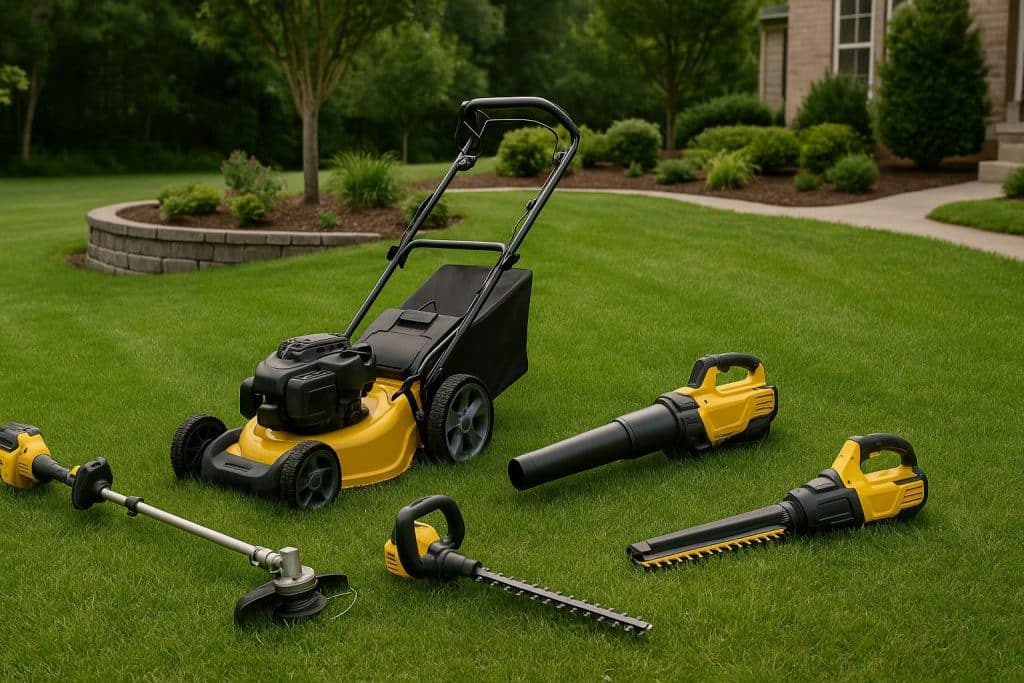
Property maintenance used to be a messy routine. Most homeowners dealt with separate machines for every task one for mowing, another for trimming, another for blowing debris. It meant more storage, more fuel, more maintenance, and more frustration than most people ever talked about out loud.
That’s changed in a big way over the last decade. Today’s Outdoor Power Equipment is no longer built as individual, disconnected tools. It’s designed as part of a shared system where one battery platform powers multiple machines. For homeowners who want efficiency without complexity, this shift has been a quiet game-changer. You can see how modern systems are built around this idea of simplicity and performance through advanced Outdoor Power Equipment platforms that eliminate unnecessary maintenance steps while improving usability.
What stands out most isn’t just the technology-it’s how much time and effort it saves in real-world yard work.
Why Integrated Systems Are Replacing Traditional Yard Equipment
The move away from gas-powered tools isn’t just about trends. It’s about practicality.
Gas equipment comes with constant upkeep: fuel mixing, oil changes, engine cleaning, and seasonal storage issues. On top of that, starting a gas mower or blower isn’t always quick or reliable.
Integrated battery systems solve most of that friction. You charge, click, and work.
The biggest reasons homeowners are switching include:
- Less maintenance and fewer moving parts
- Instant start without pull cords
- Cleaner operation with no fuel handling
- Reduced long-term operating cost
It’s not about replacing power-it’s about removing unnecessary work around the work.
Core Structure of Modern Outdoor Power Equipment Systems
A full integrated setup usually revolves around a shared battery ecosystem. Instead of buying tools separately, users invest in a platform.
Lawn Mower: The Base of the System
The mower is usually the most power-hungry tool in the lineup. Modern electric mowers now deliver steady torque that handles thick grass without the uneven performance older electric models were known for.
String Trimmer: Precision Around Edges
This tool handles fence lines, corners, and tight spaces where mowers can’t reach. The newer models are lighter, better balanced, and far less fatiguing during longer use.
Leaf Blower: Fast Cleanup Without the Noise
Battery-powered blowers have become powerful enough for driveways, patios, and yard cleanup without the loud, aggressive engine noise that used to define the category.
Hedge Trimmer and Compact Saw
For shaping shrubs and handling light branches, these tools add finishing control without requiring heavy gas-powered equipment.
Together, they create a complete maintenance system rather than a random collection of tools.
Battery Systems and Why They Matter More Than Ever
The real innovation behind modern equipment isn’t just electric motors it’s battery architecture.
One battery platform powering multiple tools changes how people work. Instead of switching fuels or managing multiple chargers, everything becomes interchangeable.
Key advantages include:
- Reduced storage clutter
- Faster workflow between tasks
- Lower overall equipment cost over time
- Consistent performance across tools
Brushless motor technology also plays a major role. It reduces energy loss, improves torque output, and extends tool lifespan without increasing weight.
Integrated Systems vs Traditional Gas Tools
The difference between modern systems and traditional gas tools is more practical than technical.
Integrated Battery Systems
- Quiet operation suitable for residential areas
- Minimal maintenance requirements
- Lightweight and easy to handle
- No fuel storage or mixing
- Quick startup every time
Gas-Powered Equipment
- Higher raw power in extreme commercial use
- Requires regular engine maintenance
- Loud operation not ideal for neighborhoods
- Heavier and more vibration-prone
For large commercial landscaping, gas still has its place. But for residential properties, integrated systems are becoming the more balanced and efficient option.
Choosing the Right Setup for Your Property
Not every yard needs the same level of equipment. Matching the system to your property size makes a noticeable difference in cost and usability.
Small Yards
A basic system with one battery and compact tools is usually enough. Lightweight equipment performs well without overinvestment.
Medium Properties
Dual-battery setups work best here. They reduce downtime and allow continuous work without waiting for charging.
Larger Residential Lots
Higher voltage systems with extended runtime batteries provide better coverage and fewer interruptions.
The key is not overbuying power you won’t actually use.
Common Mistakes Homeowners Still Make
Even with better technology available, a few mistakes still show up often:
- Buying mismatched tools from different brands
- Ignoring battery storage conditions (heat is the biggest issue)
- Choosing oversized tools for small yards
- Skipping regular blade maintenance
These issues don’t usually break the system, but they do reduce performance and shorten lifespan.
Best Practices for Long-Term Performance
A well-maintained system stays reliable for years without much effort.
A few simple habits go a long way:
- Store batteries indoors in stable temperatures
- Clean tools after each use to avoid debris buildup
- Keep blades sharp for smoother cutting and lower strain
- Rotate battery usage instead of overusing one pack
Most performance issues come from neglect, not design flaws.
Conclusion: A More Practical Future for Property Maintenance
Integrated Outdoor Power Equipment has changed the way property maintenance feels day to day. What used to be a noisy, fuel-heavy, multi-step process is now a simpler, more controlled routine.
It’s not just about technology-it’s about removing friction from everyday work. Fewer tools to manage, fewer maintenance tasks, and more predictable performance.
For most homeowners, that shift is already hard to reverse. Once you experience a system that starts instantly, runs quietly, and handles multiple tasks without complication, the older way of doing things starts to feel unnecessarily complicated.
FAQ
1. Are integrated outdoor power systems strong enough for heavy yard work?
Yes, modern brushless systems handle most residential workloads effectively, including thick grass and routine trimming.
2. How long do batteries last during normal use?
Most standard setups can complete a full yard session on a single charge, depending on yard size and tool usage.
3. Can I expand my system later?
Yes, most platforms are designed to scale, allowing users to add tools without changing the battery system.
4. Do these systems require special maintenance?
Not much—basic cleaning, blade sharpening, and proper battery storage are usually enough.
5. Are they worth the higher upfront cost?
Over time, lower maintenance, no fuel costs, and reduced servicing often balance out the initial investment.