

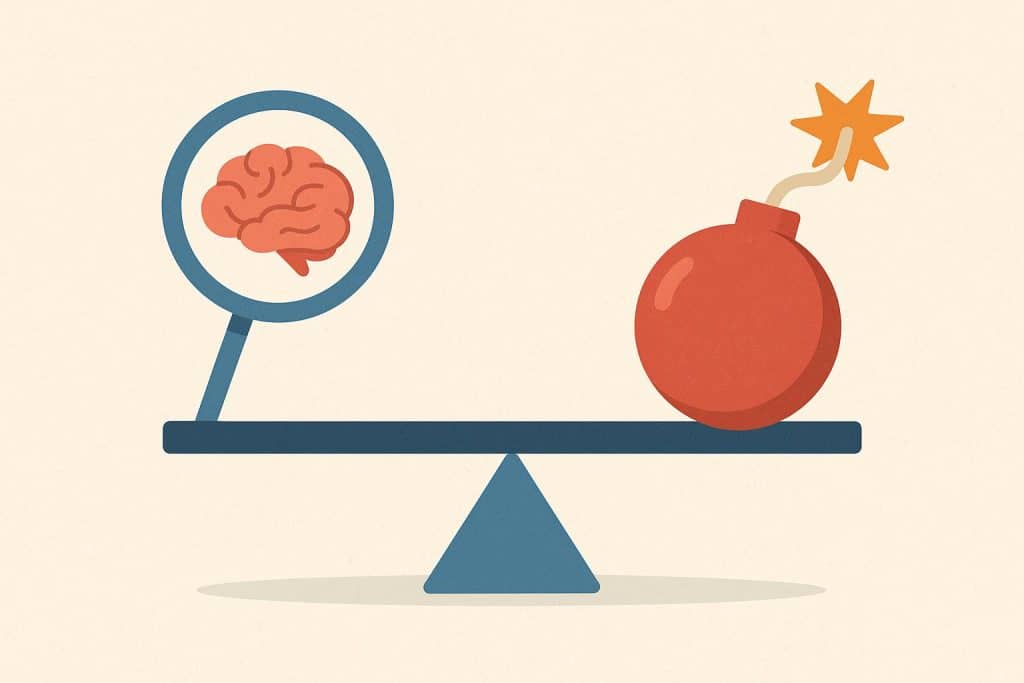
We live in a world that rewards quick responses. Fast opinions. Instant replies. Immediate decisions. But speed is not always strength. Sometimes the most powerful move is not reacting at all.
Emotional regulation is the ability to manage intense feelings so you can respond thoughtfully instead of impulsively. It does not mean suppressing emotions or pretending you are unaffected. It means noticing what you feel and choosing how to act. Whether you are navigating conflict at work, tension in a relationship, or financial stress that leads you to consider options like debt relief in New York, emotional regulation changes the outcome.
Reacting is automatic. Responding is intentional. The difference shapes your mental health, your relationships, and even your long term success.
Understanding the Gap Between Feeling and Action
Emotions are fast. They arise before logic has time to catch up. A critical comment can spark anger in seconds. An unexpected bill can trigger panic. A disappointing message can cause hurt.
The key to emotional regulation lies in the space between feeling and action. That space might only be a few seconds, but it is powerful. In that pause, you have a choice.
The American Psychological Association explains that emotional regulation involves awareness, acceptance, and strategic response to feelings rather than denial or overreaction. Their overview of emotion regulation emphasizes managing emotions improves resilience and well being.
When you practice noticing your emotions without immediately acting on them, you strengthen that gap.
Why Reaction Feels So Satisfying
Impulsive reactions often provide temporary relief. Raising your voice may feel powerful in the moment. Sending an angry text might release tension. Making a quick purchase when stressed can offer short term comfort.
But these reactions frequently create long term consequences. Relationships strain. Regret sets in. Financial stability weakens.
Reacting feels satisfying because it resolves the immediate emotional pressure. Regulation requires tolerating discomfort a little longer. That tolerance builds strength over time.
Learning to sit with discomfort without acting impulsively is like exercising a muscle. It feels difficult at first. With repetition, it becomes more natural.
Emotional Awareness as the First Step
You cannot regulate what you do not recognize. The first step is naming what you feel. Are you frustrated, anxious, embarrassed, overwhelmed?
Simply labeling an emotion can reduce its intensity. Research has shown that affect labeling, or putting feelings into words, activates parts of the brain associated with control and reduces emotional reactivity.
The Greater Good Science Center at the University of California, Berkeley provides resources on mindfulness and emotional awareness. Their research highlights how present moment awareness supports healthier emotional responses.
When you pause and identify your emotion, you interrupt the automatic cycle.
Choosing a Response That Aligns With Your Values
Regulation is not about becoming emotionless. It is about aligning your actions with your values rather than your impulses.
If you value respect, you may choose to speak calmly even when angry. If you value financial stability, you may delay a purchase driven by stress. If you value honesty, you may address conflict directly instead of reacting defensively.
Each regulated response reinforces your identity. Over time, you begin to trust yourself more. You see that you can handle intense feelings without being controlled by them.
This builds confidence and resilience. You are no longer at the mercy of your emotions. You are in conversation with them.
Building Healthier Coping Strategies
Replacing reaction with regulation requires alternatives. If you usually react by withdrawing, try expressing your feelings in a journal. If you tend to argue immediately, practice taking a short walk before responding. If stress triggers impulsive spending, create a rule to wait twenty four hours before non essential purchases.
Healthy coping strategies redirect emotional energy without suppressing it. Deep breathing, physical movement, or brief reflection can help reset your nervous system.
The more often you practice these alternatives, the easier they become. Regulation shifts from forced discipline to natural habit.
Strengthening Mental Health Through Regulation
Consistent emotional regulation improves mental health. It reduces anxiety because you feel more in control of your reactions. It decreases regret because your choices reflect intention rather than impulse.
It also enhances relationships. When others know you respond thoughtfully instead of explosively, trust grows. Communication becomes safer. Conflict becomes more productive.
Resilience develops through repeated practice. Each time you regulate instead of react, you reinforce the belief that you can handle difficult emotions.
Small Daily Practice Makes a Difference
You do not need dramatic emotional situations to practice regulation. Start with minor irritations. Traffic delays. Long lines. Minor misunderstandings.
Use these moments as training grounds. Notice your immediate reaction. Take a breath. Choose a response.
Over time, your threshold for emotional intensity increases. What once triggered a strong reaction may feel manageable.
This does not mean you never feel anger, sadness, or stress. It means those emotions no longer dictate your behavior automatically.
Responding With Intention
Practicing emotional regulation over reaction is not about perfection. There will be moments when you react impulsively. Growth lies in returning to awareness and trying again.
The more you strengthen that gap between feeling and action, the more freedom you gain. Freedom to choose words carefully. Freedom to make thoughtful decisions. Freedom to align your actions with your long term goals.
In a fast paced world, thoughtful responses stand out. They build stability, trust, and resilience. And over time, they create a life shaped by intention rather than impulse.