

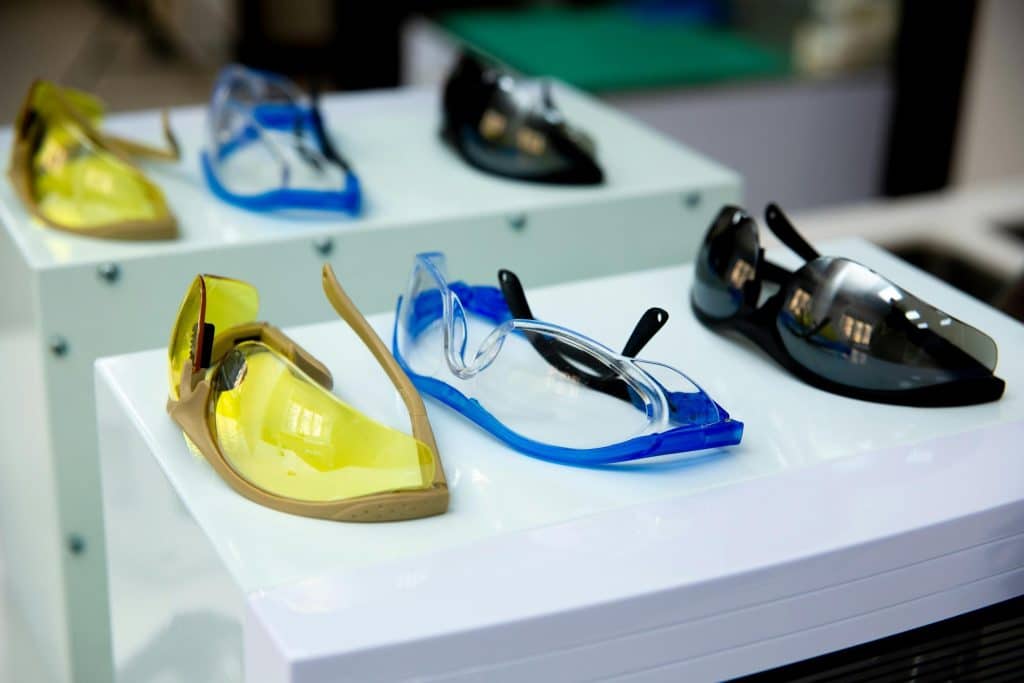
Laser safety eyewear protects against serious injury when working with lasers, but common user mistakes can compromise this protection. Errors in selecting, inspecting or using laser eyewear can arise from misunderstandings about labeling, optical density, wavelength compatibility, fit and maintenance. Using laser eye protection safety glasses and laser eye protection goggles correctly helps users make safer choices and avoid unnecessary risks in high-hazard environments.
Understanding how laser safety eyewear works is essential for anyone in laboratories, medical settings or industries with active laser systems. The presence of laser safety glasses or goggles is not enough if users fall into avoidable errors. Many workplace injuries are not caused by a lack of available protection, but by incorrect selection, improper use or neglect of equipment condition. In many facilities, laser eye protection glasses are available, yet they still fail when users compromise fit, rating verification or routine inspection. The following sections highlight the most frequent mistakes observed with laser eyewear and offer practical examples for prevention.
Mistaking Regular or Tinted Eyewear for Laser Protection
A common error is assuming that ordinary sunglasses or safety glasses with dark lenses provide sufficient protection during laser tasks. This misconception arises because deeply tinted or colored lenses can look similar to laser-specific eyewear, but only certified laser safety glasses are engineered to absorb or block hazardous laser wavelengths. For example, laboratory staff exposed to invisible or partially visible beams could be left unprotected if they use tinted goggles instead of laser eye protection goggles rated for laser safety.
Real-world incidents have occurred where workers, unaware of the need for wavelength and optical density verification, chose non-laser-rated eyewear for tasks involving active beams. This exposes eyes to damage without warning. Always verify that your eyewear is certified for the laser spectrum in use, as visually similar products can have totally different safety capabilities. In controlled areas, laser eye protection safety glasses should be checked before each session to confirm they match the current laser configuration.
Another aspect of this mistake involves relying on prescription eyeglasses with photochromic or transition lenses that darken in sunlight. While these lenses adjust to ambient light conditions, they are not designed to filter specific laser wavelengths or provide adequate optical density against concentrated laser energy. Some users mistakenly believe that because their prescription glasses darken outdoors, they offer laser protection indoors as well. This false sense of security can be particularly dangerous in educational settings where students or researchers new to laser work may not yet understand the specialized nature of laser safety eyewear. To prevent confusion, keep laser eye protection glasses stored separately from general-purpose eyewear and labeled clearly for the applicable wavelengths. The only reliable solution is to use eyewear explicitly labeled and certified for laser safety, which may be worn over prescription glasses or obtained as prescription laser safety glasses from specialized manufacturers.
Selecting the Wrong Optical Density or Wavelength Protection
Laser safety glasses are rated for specific optical densities (OD) and wavelength ranges, and selecting the wrong combination can leave the user exposed. A frequent mistake is to grab any available eyewear, assuming a higher OD always means better protection. However, excessive OD can reduce visibility and may prompt users to remove their eyewear during alignment, defeating its purpose. In these cases, laser eye protection goggles selected for the correct OD can improve visibility while still meeting safety requirements.
Another scenario occurs in multi-laser labs, where a user might wear glasses rated for one laser’s wavelength and power, but not for another device operating nearby. For instance, protection for a visible red laser does not safeguard against invisible infrared or ultraviolet sources. Always check the OD rating and wavelength markings to ensure they match the specific laser in use before starting any task. When procedures change frequently, posting a checklist for laser eye protection safety glasses can reduce mix-ups and improve compliance.
Neglecting Labeling, Fit and Regular Maintenance
For laser safety eyewear to be effective, users must pay close attention to product labeling, physical fit and the condition of the glasses. Labels indicating the precise OD and wavelength range are typically printed on the eyewear, and worn-off or missing markings are a warning sign. Mistakes happen when users wear unmarked or illegible glasses, such as after mixing up pairs in busy shared environments. Establishing a sign-out process for laser eye protection goggles can help keep the correct pairs with the right workstations.
Proper fit is also vital; glasses that are loose or do not seal well against the face compromise protection by allowing stray laser reflections past the filter. Likewise, scratched or damaged lenses can reduce their ability to block hazardous energy. Regularly inspecting eyewear and replacing any deteriorated pairs helps maintain a safe workspace. Choosing, wearing and caring for your laser safety glasses correctly is fundamental for effective optical density protection and long-term eye health, and consistent use of laser eye protection glasses supports safer habits during daily operation.