

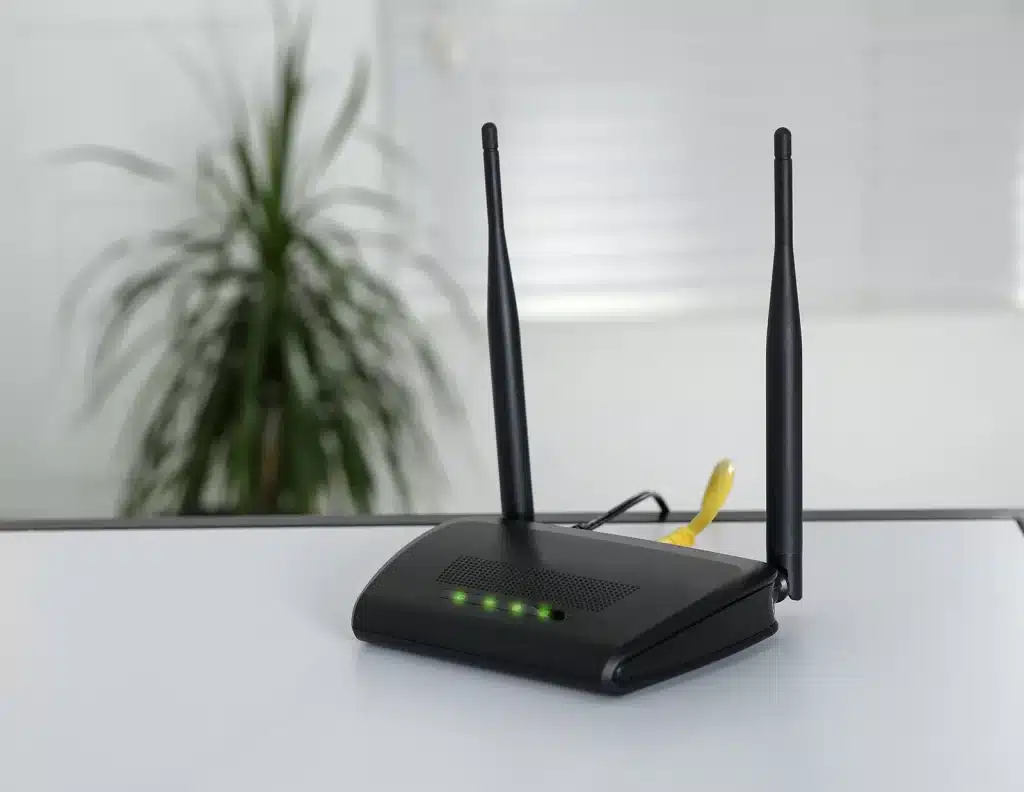
When your video freezes during a meeting, you likely blame your router. Yet the real culprit often lies outside: a local “Infrastructure Gap” where devices clog networks because nearby public spaces lack connectivity.
Public Wi-Fi acts as a crucial buffer for this traffic. Without it, congestion spills over, answering the common question of why internet speeds drop near city parks. This dynamic illustrates how outdoor connectivity gaps directly undermine household broadband quality.
The Island Effect: Why Outdoor Dead Zones Clog Your Home Connection
We love big oaks in our local parks, but they act as surprising barriers to digital connectivity. This phenomenon, signal attenuation, occurs when signals lose strength punching through obstacles. Water-filled objects—like tree leaves—absorb radio waves effectively. Heavy foliage can reduce signal strength by up to 20%, turning that lovely green space into a digital “island” where your home router’s reach cannot survive.
Living next to a park without public Wi-Fi strains personal connections through three key mechanisms:
- Foliage Interference: Dense leaves absorb signals, creating unavoidable dead pockets near the treeline.
- Signal Attenuation: Distance and physical barriers weaken the data stream before it reaches the park bench.
- Cellular Tethering Strain: Without Wi-Fi, devices crowd onto mobile networks, creating a traffic jam for the neighborhood.
When wireless signals die at the park entrance, smartphones switch to cellular networks to stay online. In the telecom world, public Wi-Fi acts as a critical “relief valve” through mobile offloading. It moves data traffic off congested cellular towers and onto a local network. Without that valve, towers get overwhelmed by users simultaneously streaming music or checking maps, causing a slowdown that ripples out to nearby houses.
Living next to a park without this infrastructure means the digital neighborhood works harder than necessary. It isn’t just about checking email on a bench; it’s about balancing the load so everyone gets the speed they pay for.
Creating a Seamless Connection: How Municipal Fiber and Mesh Networks Fix the Gap
Viewing the dead zone at the swing set as a minor annoyance ignores the invisible tether connecting it to your living room. Recognizing that public infrastructure links directly to private internet quality shifts the conversation from personal frustration to community health. We are advocating for a system where data flows freely, relieving pressure on the digital pipes servicing our homes.
Practical change begins by supporting neighborhood mesh networks for improved connectivity, which act like signal booster chains extending coverage. Advocating for local fiber investment is equally crucial, as studies link the benefits of municipal fiber networks in community parks to a potential 15% boost in home internet speeds and property values. You can drive this improvement by documenting signal drops in public areas, presenting evidence to your local council, and supporting initiatives that treat broadband as a critical utility.
Embracing smart city connectivity strategies for open spaces ensures our digital lives don’t pause the moment we step outside. By bridging the gap between the park and the porch, we create a neighborhood where reliable internet is as ubiquitous as fresh air. This shift builds a stronger community where everyone enjoys seamless access, regardless of where they stand.