

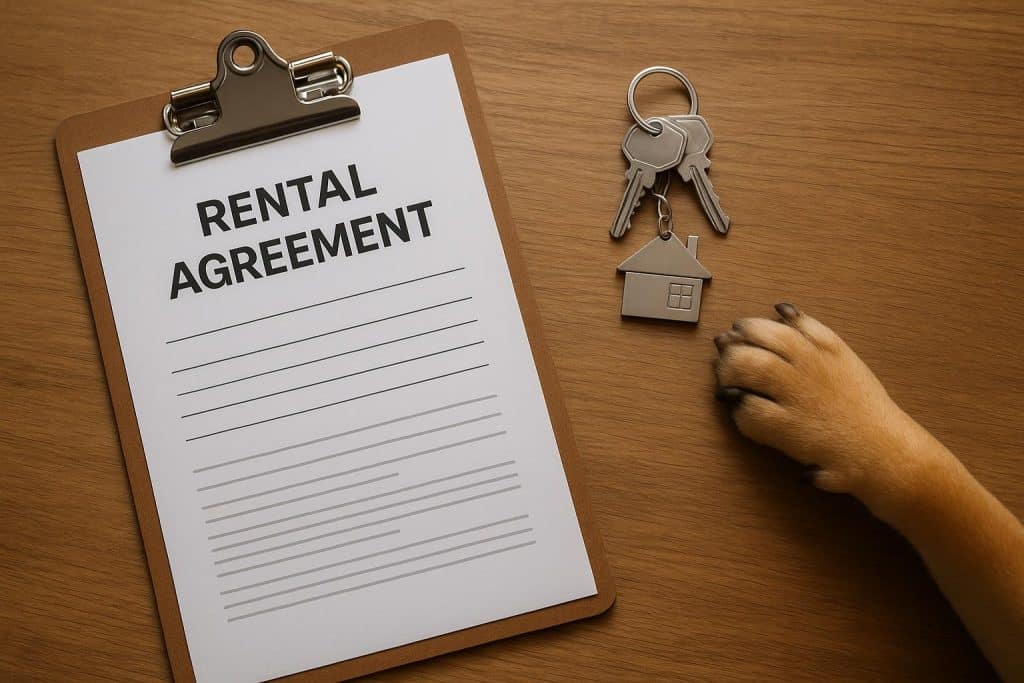
Renting with a dog can feel like an extra hurdle before you even submit your application for a place. You may see “pet-friendly” in a listing, yet still wonder if approval is guaranteed.
For landlords, the decision is purely practical. They assess liability risks, potential complaints, property wear, and how well you manage responsibility. While pet-friendly rentals are increasing, the standards are rising, too.
Landlords now screen more carefully, especially in multi-unit buildings. They look for tenants who plan ahead, document everything, and understand housing rules. If you know what they evaluate, you can prepare strategically.
Here is what landlords truly expect from you as a dog-owning tenant.
Landlords Screen Behavior, Not Just Breeds
You may think breed is the main issue. In reality, many housing experts now focus on a dog’s behaviour and history rather than breed bans. This shift is also driven by clear market demand. According to Zillow, rental listings that allowed pets were typically leased eight days faster than those that did not.
The analysis reviewed more than 11 million listings and showed that pet-friendly homes also drew more saves, views, and shares. Nearly 6 in 10 renters now own pets, up sharply from 46% before the pandemic. This demand pushes property owners to screen pets carefully rather than rejecting them outright.
As a result, you should come prepared with proof. Bring vaccination records, spay or neuter confirmation, and obedience training certificates. If possible, include a short pet profile with age, weight, and daily routine. You should also share references from prior landlords. If your dog never caused complaints, say so clearly.
Landlords look for predictability. When you present clear records, you reduce uncertainty. This alone can improve your approval chances.
Why Liability Protection Is Becoming Non-Negotiable
Landlords aren’t only worried about scratched floors or damaged property. They also have to think about potential injury claims. This concern is grounded in landlord liability laws.
Nolo explains that in many states, a landlord can be held liable only if they knew a tenant’s dog was dangerous and had the legal power to remove it, but failed to act. Courts often review prior complaints. They also consider past bite incidents or warnings from neighbors to decide whether the landlord had notice and control over the situation.
That legal exposure creates financial risk. A security deposit does not cover injury lawsuits, and medical costs can exceed thousands of dollars. In addition, many homeowners’ and renters’ insurance policies now exclude dog bite liability coverage or restrict it based on breed limitations.
This combination of legal and coverage gaps raises the stakes for property managers. Because of this risk, many owners now require tenants to carry dog bite insurance before signing a lease. This requirement protects both you and the property owner if an unexpected incident occurs.
When you show proof of coverage early, you signal responsibility and reduce a major barrier during approval. Landlords want tenants who understand legal realities. When you address liability upfront, you make their decision easier.
Community Approval Is the New Gatekeeper
Your landlord may not be the only decision-maker. In some communities, pet approval now extends beyond the lease. Recent state laws reflect this broader trend.
In 2025, California passed a law that limits how much homeowners’ associations can fine residents. The law also requires written findings and access to dispute resolution before enforcement actions. This reduces broad HOA control, including over pet-related disputes in shared communities, and gives residents clearer procedural rights.
Even so, oversight remains structured, and shared housing rules continue tightening in some areas. This shift means you must consider neighbors, not just management. Safety concerns also influence how communities draft and enforce pet rules.
ConsumerShield’s chart reviewing fatal dog attacks from 2005 to 2019 shows that pit bulls were involved in over 340 deaths. These figures were the highest among all breeds listed in the report. Rottweilers followed with 51 cases. The data groups other breeds far lower, reinforcing why communities assess perceived risk carefully.
This context explains the caution. You should understand this reality. Noise control, leash compliance, and waste cleanup matter more in shared spaces. If your dog disrupts neighbors, complaints can escalate fast.
In extreme cases, you may face removal demands or lease termination. Community harmony now carries weight in rental decisions.
The Housing Market Is Evolving
You may have heard about new pet-friendly housing laws. Some cities are adjusting long-standing restrictions. One example shows how this shift is unfolding.
The Los Angeles Times reported that the L.A. City Council voted to extend protections for tenants who adopted pets during the COVID-19 pandemic. The law prevents landlords from evicting tenants for keeping those animals. It was designed to help renters who added pets during lockdowns.
The protection applies to tenants who lived in their units before January 31, 2023. Tenants must also disclose the pet within a set period to qualify. The measure took effect immediately after the vote. However, tenant protections do not eliminate management standards.
Even in friendlier markets, landlords expect clear documentation and compliance with building rules. They value tenants who report minor damage early and prefer renters who maintain regular grooming and training routines.
If you treat your lease as a long-term partnership, you gain leverage. Renewal decisions often favor tenants who create no disruption. Market trends may help you. But personal responsibility still determines approval and renewal outcomes.
People Also Ask
1. Can a landlord refuse an emotional support animal in 2026?
Under the Fair Housing Act, landlords generally cannot refuse an emotional support animal, even if they have a “no-pets” policy. You must provide a valid letter from a healthcare professional. However, there are exceptions for owner-occupied buildings with four or fewer units or when the animal poses a safety threat.
2. Does standard renters’ insurance cover pet-related property damage?
Standard renters insurance typically covers liability for guest injuries. However, it rarely pays for the damage your dog causes to the rental unit itself. To cover scratched floors or chewed carpets, consider a specific pet damage rider. Always confirm if your policy excludes certain breeds before signing your lease.
3. How can I negotiate a lower pet fee or pet rent?
To lower pet fees, present a “pet resume” with references from previous landlords and proof of obedience training. You can also offer a slightly higher refundable security deposit in exchange for waiving monthly pet rent. Demonstrating your dog is crate-trained and well-socialized helps prove you are a low-risk tenant.
When you apply for a rental with a dog, you enter a risk review process. Landlords assess liability, community impact, and long-term stability. You can tackle each concern by providing behavior records, addressing liability coverage, and following community rules.
Do not rely on persuasion. Instead, prioritize preparation. When you reduce uncertainty, you increase trust. And trust is what secures your lease.