

Restoration Specialists is a North Central Florida-based company that has provided damage restoration, repair, and remodeling services since 1972. Serving both residential and commercial property owners, Restoration Specialists operates from its headquarters in Ocala and maintains multiple satellite offices across the region, allowing for rapid response and localized service. The company’s state-licensed and fully insured professionals handle projects ranging from fire, flood, and storm recovery to comprehensive remodeling and reconstruction.
Through decades of experience, Restoration Specialists has worked closely with homeowners, businesses, and insurance providers to restore properties efficiently while meeting regulatory and safety standards. Its familiarity with insurance protocols, detailed documentation practices, and emphasis on careful planning have positioned the company as a trusted resource in both emergency response and longer-term rebuilding projects. In the context of remodeling, Restoration Specialists recognizes that some projects require more than immediate construction and instead benefit from early design consultation to align goals, budgets, and structural realities before work begins.
When a Remodeling Project Needs to Start with a Design Consultation
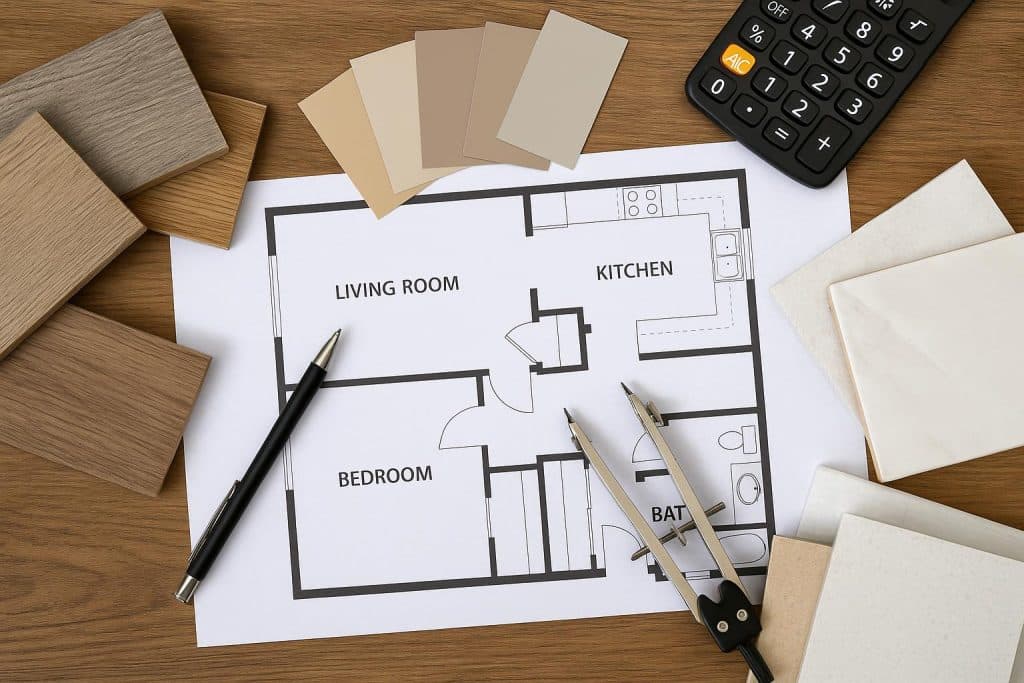
Whether the project is a bathroom refresh or a full layout change, skipping early planning can lead to confusion, delays, or expensive rework. A design consultation is a structured pre-construction meeting with a designer, architect, or design-build team to review goals, constraints, and next steps. It tests feasibility, including what the space can support, and defines the scope, meaning what work will be included, before pricing and scheduling move forward.
A consultation is most useful when the wish list and the budget have not met yet. If a homeowner wants to move walls, relocate plumbing, or upgrade the electrical system, the team can explain how those choices change costs, timelines, and permits or other required approvals. That early reality check helps the homeowner determine if it’s necessary to adjust priorities, simplify the plan, or phase the work.
Design work goes beyond finishes. The consultation also reviews how the home is built and whether the proposed changes fit within its structural limits and existing systems. If the concept requires opening walls or changing room sizes, the team can flag where the plan needs more design work before it is ready to price and build.
Existing conditions can change the plan. During walkthroughs, teams often identify risks that add costs, such as hidden water damage, electrical upgrades, or code-related fixes. A contingency fund, extra money set aside for unknowns, helps the homeowner absorb those costs without derailing core goals.
Effective consultations rely on documentation, not just conversation. Measuring walls and openings, noting window and outlet locations, and taking photos gives the team a baseline for drawings and selections. These records reduce avoidable mistakes, especially when multiple trades work from the same plan.
Layout problems often show up when a plan moves from a sketch to real movement through a room. A kitchen island can look great on paper but block the path between the sink, stove, and refrigerator or crowd walkways around appliances. A consultation prompts function checks, including clearances, lighting locations, and storage access.
Permits are another reason some projects need design input before a contractor begins work. Many remodels require permits, especially when they involve structural changes, plumbing modifications, or electrical upgrades. Identifying permit needs early helps the homeowner plan for review time, fees, and inspections.
A consultation can prevent late discoveries that force a redesign. A homeowner might learn that a preferred layout requires moving gas or water supply lines or rerouting wiring, which affects cabinet and lighting placement. Catching such things early keeps the design plan consistent and reduces last-minute changes.
Clear plans support a realistic timeline. When the design process locks in the scope, major selections, and the intended sequence before demolition, contractors can price the work accurately and schedule trades with fewer gaps. A detailed plan becomes the reference point for communication when questions arise.
Cost overruns often accompany schedule overruns because mid-project changes take time and money. Late selection decisions and undocumented approvals can create rework or extra trips for trades. A design consultation improves control by documenting decisions and capturing changes in writing.
A designer or design-build team can use the consultation as a readiness checkpoint before demolition. If the homeowner has not finalized the scope, measurements, or key selections, the homeowner can pause, revise the plan, or scale the project while changes still cost less. Written decisions and a defined sequence give the contractor a stable target and reduce revisions after work begins.
About Restoration Specialists
Founded in 1972, Restoration Specialists is a North Central Florida company providing damage restoration, repair, and remodeling services for residential and commercial properties. With offices across the region, the firm offers rapid response to fire, water, storm, and structural damage, as well as planned reconstruction and remodeling. Restoration Specialists is state licensed, fully insured, and experienced in working with insurance providers. Its teams emphasize detailed documentation, clear communication, and careful planning to help clients restore and rebuild properties efficiently and responsibly.