


You may not think much about your blood pressure on a daily basis, but even small changes in your routine can silently affect it. A Stressful week, insomnia, illness, even dehydration can cause you to feel off, without one being able to tell the reason why.
In the long run, these invisible changes might lead to health hazards and influence the operation of your body. This is why it is important to learn what contributes to these changes. By identifying the triggers, you are able to react before the situation blows out of proportion.
What is more important is that you can take easy, sensible steps that will guard your health in the long run. This article will discuss why blood pressure increases, as well as the most important thing that you can do to remain safe and in control.
1. Infection and Inflammation Raise the Level of Pressure
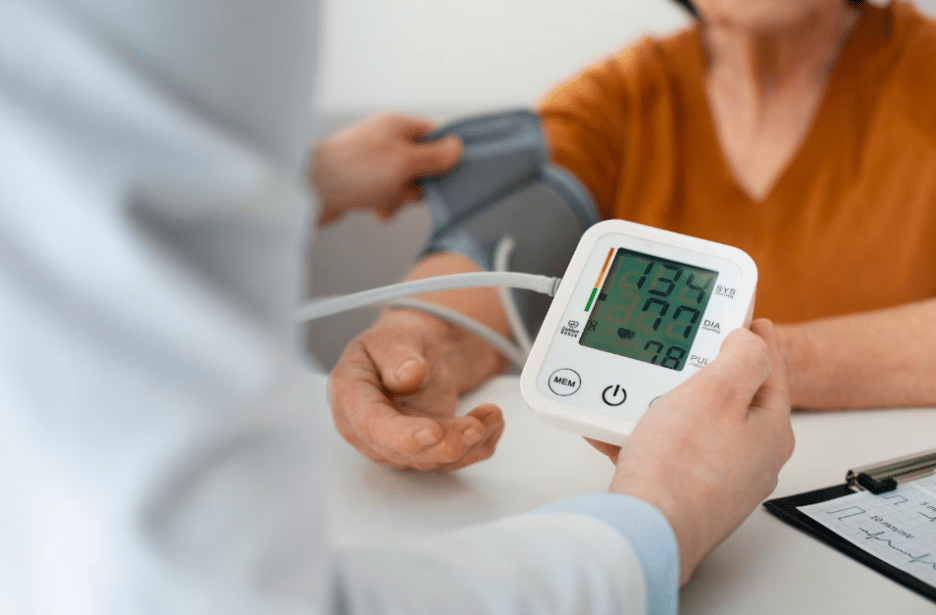
Your immune system is activated when your body combats an infection. Consequently, the inflammation intensifies, and your blood vessels can temporarily become narrower. This complicates the smooth flow of blood, thereby increasing your blood pressure.
Understanding why does blood pressure go up when you get sick helps explain how the body responds to physical stress during illness. The answer is the way your body reacts to stress. Cortisol and adrenaline are stress hormones that are released during sickness. These hormones constrict blood vessels and raise heart rate, both of which elevate blood pressure.
Moreover, it may be aggravated by fever and dehydration. Fluid loss makes your blood more concentrated and, therefore, less efficient in circulation. Thus, it becomes necessary to keep hydrated and watch for symptoms when sick.
2. Constant Pressure on Your Heart Caused by Stress and Anxiety
Emotional stress not only influences your mood: it has a direct effect on your cardiovascular system. Your body will go into a fight or flight mode when you are anxious or overwhelmed. Your heart beats faster, therefore, and your blood vessels narrow.
Although this reaction assists in temporary bursts, chronic stress maintains your blood pressure high. In the long run, this may put stress on your heart and destroy your arteries.
In addition, stress may result in poor coping skills like overeating, smoking, or inactivity. Such practices continue to put the risk high. So stress management in such ways as deep breathing, mindfulness, or exercise can go a long way in stabilizing your blood pressure.
3. Unhealthy Diet and Excess Sodium Imbalance

The food that you consume directly influences your blood pressure. High sodium, processed, and unhealthy fats in diets may cause fluid retention. Consequently, the amount of blood in your vessels is elevated, which elevates pressure.
Simultaneously, the lack of potassium-rich foods, such as vegetables and fruits, may increase the imbalance. Potassium is the opposite of sodium, and thus, when you have a deficiency, your body is more susceptible.
Moreover, sugar beverages and caffeine overload may also lead to short-term peaks. Hence, eating whole foods, limiting salt content, and eating a balanced diet are viable measures that can help to achieve healthier blood pressure levels.
4. Physical Inactivity Weakens Heart Performance
The heart is a muscle, and just like any other muscle, it requires exercise to maintain its strength. A sedentary lifestyle causes your heart to slow down in pumping blood. It, therefore, has to work more, putting more strain on your arteries.
Conversely, the physical activities that are undertaken on a regular basis enhance blood circulation and maintain the flexibility of blood vessels. Even such mundane tasks as walking, cycling, or stretching can help.
Also, physical activity is beneficial in managing weight, stress, and sleep, all of which lead to normal blood pressure. Thus, one of the best methods to remain safe is to include regular movement in your daily life.
5. Dehydration and Poor Sleep Add Hidden Risks
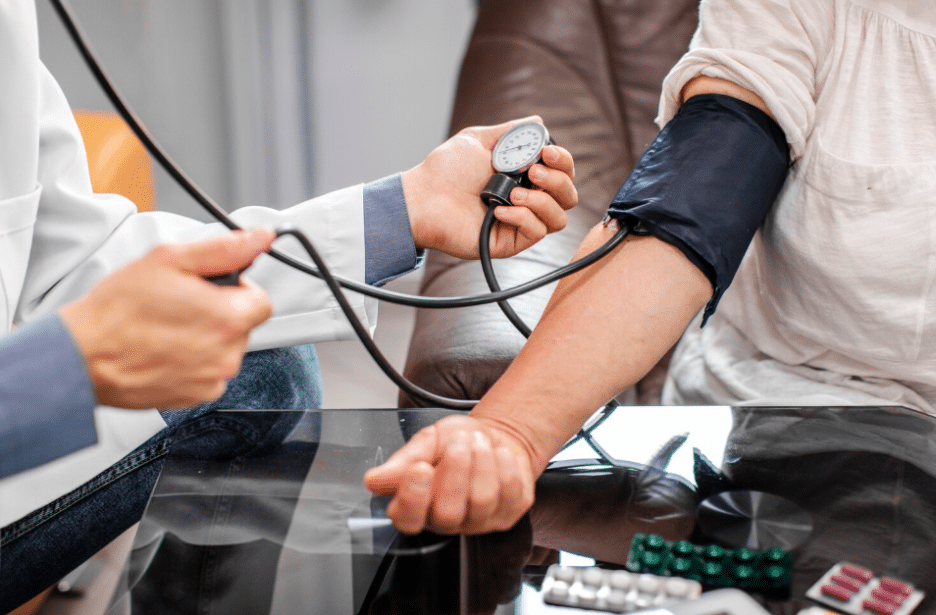
Some causes are less obvious. Dehydration, for instance, reduces blood volume but triggers your body to constrict blood vessels to maintain circulation. As a result, pressure increases.
Similarly, poor sleep disrupts your body’s natural regulatory systems. When you don’t get enough rest, stress hormones remain elevated, preventing your blood pressure from dropping as it should during sleep.
Over time, this pattern can lead to sustained hypertension. Therefore, drinking enough water and prioritizing quality sleep are simple yet powerful habits that protect your cardiovascular health.
6. Medications and Underlying Conditions Can Contribute
Certain medications, including decongestants and some pain relievers, can raise blood pressure. They may constrict blood vessels or cause fluid retention, leading to temporary spikes.
Additionally, underlying health conditions such as kidney issues or hormonal imbalances can also affect blood pressure regulation. These factors often go unnoticed until symptoms become more serious.
Therefore, it’s important to stay aware of how your body responds to medications and consult a healthcare professional when necessary. Monitoring your blood pressure regularly helps detect patterns early and ensures timely intervention.
Final Thoughts
Understanding why blood pressure rises gives you the clarity needed to take control of your health. From illness and stress to diet and lifestyle habits, each factor plays a role in how your body responds.
The encouraging part is that many of these triggers are manageable with consistent effort. By staying hydrated, eating balanced meals, exercising regularly, and managing stress, you create a strong foundation for stability.
At the same time, paying attention to sleep and monitoring your health ensures early detection of changes. Ultimately, small, mindful adjustments can make a lasting difference, helping you stay safe, energized, and in control of your well-being every day.