

There’s something about spring that pulls hunters back outside. Maybe it’s the longer days. Maybe it’s the better weather. Or maybe it’s just the itch to get moving again after winter – but whatever the reason, it’s a great time to be out in the field.
Still, deciding what to hunt isn’t always as simple as grabbing your gear and heading out. A bit of thought beforehand saves you time, frustrated, and – most importantly – missed opportunities!
The Regulations and Licensing
Not the most exciting topic, but definitely the most important. Spring seasons are usually tighter than what you’ll see later in the year – with stricter laws on species, timing, and bag counts. Before you make any plans, double-check what’s actually in season and what’s allowed in your area.
It’s also worth making sure your paperwork is sorted – licenses, permits, tags, all of it. These rules change from year to year, and relying on memory alone gets you in trouble. Taking ten minutes to review the latest regulations is a small effort that goes a long way.
Species-Specific Opportunities
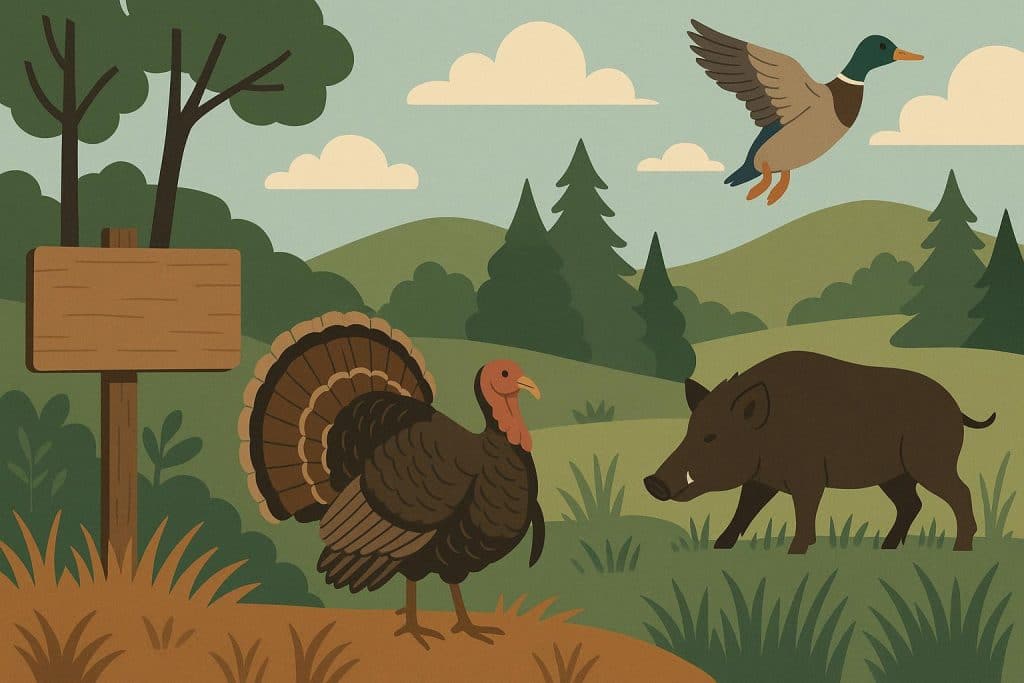
Spring hunting tends to be a bit more focused. Depending on where you are, you’re likely looking at options like boar, turkey, or certain small game. Each one offers a very different type of experience.
Turkey hunting, for instance, is slow and deliberate. You’ll spend more time sitting still, listening, and calling than actually moving. On the other hand, boar hunting – this has the chance to be unpredictable and fast-paced. So, it really comes down to what kind of hunt you’re in the mood for.
Are you looking to test your patience? Or would you rather stay active and cover ground? The answers will determine your preferred game.
Gear Preparation
If your gear’s been packed away all winter, don’t make the mistake of assuming it’s ready to go. It’s not. Take the time to check everything over – clean your firearm or bow, inspect your optics, and replace anything that’s worn or unreliable.
Spring conditions are messy. Mud. Rain. Sudden weather changes. All of this is part of the deal. This means having the right clothing and footwear matters. Being cold, wet, or uncomfortable could cut your hunt short pretty quickly, so you’ll want to avoid that.
And don’t overlook your smaller tools. A solid knife is critical – especially for field dressing. If you’ve been thinking about upgrading, it’s worth doing a bit of homework first – like understanding how to compare MagnaCut vs. S30V. This helps you select a blade that holds up well in damp, unpredictable conditions.
Scouting and Terrain
There’s one thing that’ll improve your odds – scouting. The landscape changes fast in spring – new growth affects visibility, animals adjust their patterns accordingly. Get out ahead of the season to look for signs like tracks, feeding areas, and bedding spots. This gives you a real edge.
Terrain, of course, is just as crucial. Wet ground makes access tricky, and thicker cover limits your line of sight. It helps to plan your routes in advance and have a backup option if conditions don’t cooperate. Remember – the more familiar you are with the area, the more confident you’ll feel when it counts.
To conclude, there’s no single “right” choice when it comes to spring hunting. It’s about matching your plans to the conditions, your skill level, and what you want out of the experience. Put in a little effort before the season starts – and you’ll reap the benefits!