

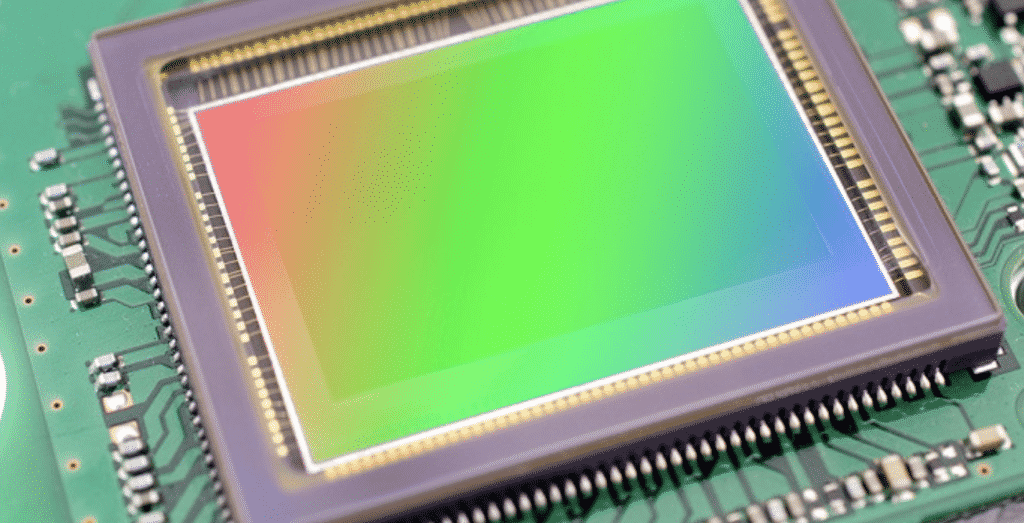
Let’s face it. It isn’t easy to see beyond an enclosed box, house, or solid with the naked eye. You have to open the package or walk into the house to see what’s inside. However, infrared technology goes beyond what you see in the naked eye.
There are different types of infrared sensors used in various fields today. One of them is the SWIR, the short form for Short Wave Infrared. Today, it forms the most part of our discussion in this article. If you want to know what these sensors are and how to use them, read further to learn more.
What are Short Wave Infrared Sensors?
Before we start talking about the application of these sensors, it’s essential to understand what this technology is all about. Primarily, the technology is a subset of the infrared band. It usually operates within the 0.9 to 1.7 microns wavelength range.
These images can capture clear detail through obstacles such as smoke, fog, haze, and clouds. Note that these sensors are susceptible to light; hence, they can easily capture and detect single photons.
Uses of the Short Wave Infrared Sensors
Because you cannot see the wavelength with a naked human eye, it finds its use in different industries across the globe.
1. Deep tissue imaging
Initially, scientists preferred to x-ray for analyzing deep tissues in animals. However, they later realized that the technology posed different risks to different biological tissues. With Short Wave Infrared Sensors, you can view the inner tissue of the animal since they provide more robust transmission and have lower scattering than most infrared technologies.
2. Night vision
We have seen this type of technology in use, especially in movies. Soldiers began using them in World War II to see during the night. It provides a tactical advantage to soldiers, especially when moving in low light levels without anyone noticing them. Sometimes, military drivers will depend on Short Wave Infrared if they want to operate in total darkness while driving.
In aviation, this technology is also necessary to help them see in darkness, fog, and rain. They also use these sensors to assist in landing.
3. Moisture detection
Infrared technology is helpful in different industries, including textile processing, agriculture, and forestry, to detect the presence and absence of water. Typically, manufacturers depend on these sensors to see how dry the processed paper is. In agriculture, scientists can determine how ripe, unripe, and healthy the crop is. Areas with low moisture content will appear brighter than areas with more water.
4. For Astronomical uses
These cameras are used in space. Some companies use them to detect greenhouse emissions and for astronomical studies. Scientists also depend on them for ground-based observations of space, thanks to the high-resolution cameras they help to produce.
Other notable uses include chemical detection, thermal imaging, detecting contaminants in glass, and viewing the atmosphere, especially in hazy conditions, and biometrics.