

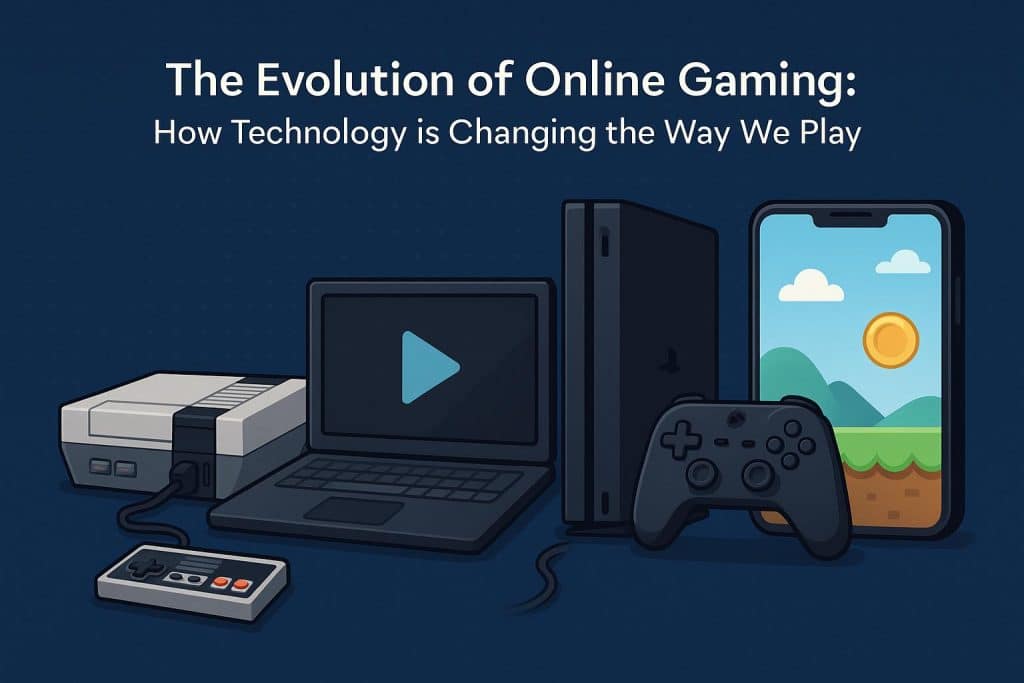
Online gaming has come a long way since its inception in the early days of the internet. The evolution of technology has transformed the way we engage with games, making them more immersive, interactive, and accessible than ever before. Platforms like Highroller, the exclusive, high-end online casino have played a significant role in shaping the current landscape, catering to a diverse range of players eager to experience the latest advancements in gaming. In this article, we will explore the evolution of online gaming and how technology is continually changing the way we play.
A Brief History of Online Gaming
The journey of online gaming began in the 1970s with simple text-based games. As internet connectivity improved throughout the 1990s, more complex games emerged. The launch of the first online casinos in the mid-90s marked a pivotal moment, allowing players to gamble from the comfort of their homes. This era also saw the rise of multiplayer games, which opened the door for social interaction in gaming.
Fast forward to the 2000s, and we witnessed the introduction of broadband internet, which enabled faster and more sophisticated gaming experiences. Important milestones, such as the establishment of the first mobile games and the advent of social media gaming, further pushed the boundaries of what online gaming could offer.
The Impact of Technology on Online Gaming
As technology continues to advance, the online gaming industry is evolving in several key areas: 1. Enhanced Graphics and Sound
One of the most noticeable changes in online gaming is the drastic improvement in graphics and sound quality. High-definition visuals and realistic sound effects create an immersive experience that draws players into the game world. With the development of 3D graphics engines and advanced rendering techniques, games can now deliver stunning visuals that were once unimaginable.
2. Virtual Reality (VR) and Augmented Reality (AR)
Virtual reality and augmented reality are at the forefront of technological advancements in gaming. These technologies allow players to step into virtual worlds and interact with their surroundings in ways that traditional gaming cannot replicate. VR headsets provide a fully immersive experience, while AR overlays digital elements onto the real world, enhancing gameplay. Games like Beat Saber and Pokémon GO have exemplified how VR and AR can redefine gaming experiences.
3. Mobile Gaming
With the rise of smartphones, mobile gaming has exploded in popularity. Players can now enjoy their favorite games on the go, making gaming more accessible than ever. The convenience of mobile devices has led to a surge in casual gaming, appealing to a broader audience. Game developers are continually optimizing their titles for mobile platforms, ensuring that the gaming experience remains smooth and engaging.
4. Cloud Gaming
Cloud gaming is another revolutionary concept gaining traction in the industry. By allowing players to stream games directly from a server, it eliminates the need for expensive hardware and lengthy downloads. Services like Google Stadia and NVIDIA GeForce NOW enable gamers to access high quality games instantly, regardless of their device’s specifications. This shift could democratize gaming, making top-tier games available to a wider audience.
5. Artificial Intelligence (AI)
AI is playing an increasingly important role in online gaming, enhancing everything from gameplay mechanics to player interactions. AI algorithms are being used to create more realistic NPC behavior, optimize matchmaking systems, and personalize gaming experiences based on individual player preferences. This technology helps to create a more engaging and dynamic environment, keeping players invested in their gaming experiences.
The Social Aspect of Online Gaming
Online gaming has always been a social activity, but advancements in technology have taken this aspect to new heights. Players can connect with friends and fellow gamers from around the world, forming communities and fostering camaraderie. Features like voice chat, social media integration, and streaming platforms like Twitch have transformed how gamers interact, share experiences, and build
relationships.
The rise of eSports has also contributed to this evolution. Competitive gaming has grown into a massive industry, with professional players, tournaments, and sponsorships. Fans can watch live streams of their favorite games, engage with players, and even participate in betting through platforms like Highroller. This blend of gaming and social interaction has created a vibrant culture that continues to thrive.
The Future of Online Gaming
As we look ahead, the future of online gaming appears bright. Emerging technologies such as 5G connectivity promise to enhance the gaming experience further, allowing for faster download speeds and lower latency. This improvement will enable more complex and interactive games, paving the way for new gaming genres and experiences.
Additionally, as developers continue to explore the potential of AI, we can expect even more personalized and immersive gameplay. The integration of machine learning could lead to adaptive gameplay that adjusts to a player’s skill level, making games more accessible and enjoyable for everyone.
Conclusion
In conclusion, the evolution of online gaming is a testament to the incredible advancements in technology over the past few decades. From improved graphics and mobile gaming to the rise of VR and cloud gaming, the landscape is constantly changing. Platforms like Highroller highlight how technology is shaping the future of gaming, bringing new experiences to players around the globe. As we continue to embrace these changes, one thing is clear: the world of online gaming is only just beginning its journey.