

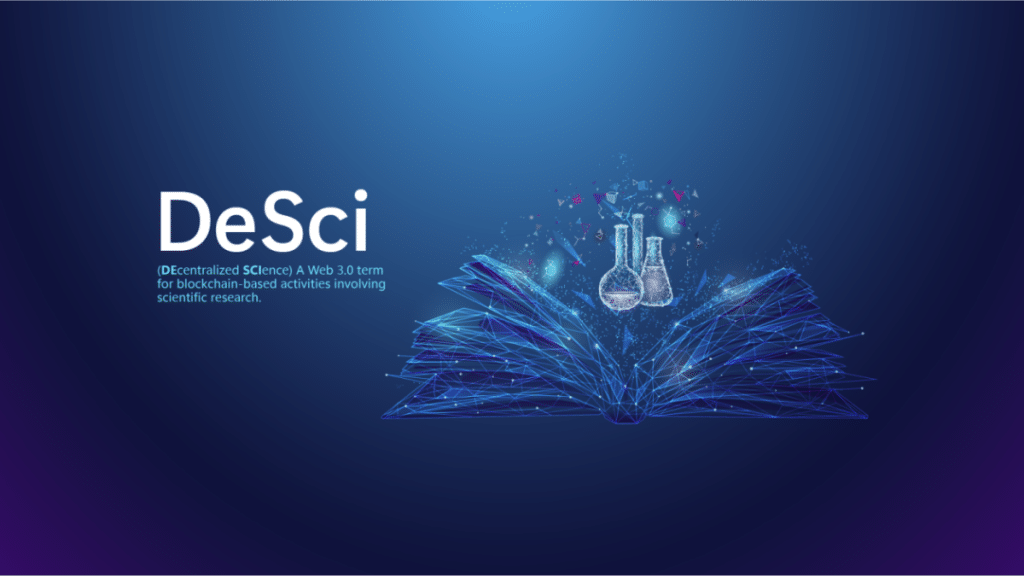
Decentralised Science (DeSci) represents a revolutionary shift in how scientific research is conducted and shared. By leveraging blockchain technology, DeSci democratises access to scientific resources, enhances collaboration, and fosters greater transparency. Traditional scientific research often needs more centralised control, limited data sharing, and inefficiencies in the dissemination of information. DeSci addresses these challenges, offering a transformative framework for innovation and discovery.
Increased Transparency and Trust
One of DeSci’s primary benefits is its ability to increase transparency and trust in scientific processes. By promoting open data and code practices, DeSci ensures that research findings are readily accessible to the public. This openness fosters trust in the scientific community and reduces the risks of fraud and misconduct, issues that have occasionally marred traditional research.
Another groundbreaking feature of DeSci is its incorporation of blockchain technology into the peer review process. Recording peer reviews on a transparent and immutable ledger enhances accountability and ensures that biases are minimised, thereby improving the overall quality of scientific research.
Accelerated Innovation
DeSci also accelerates innovation by streamlining several aspects of the research process. Researchers can rapidly prototype and test ideas using decentralised networks and smart contracts, significantly shortening the time required for discoveries.
Moreover, DeSci facilitates collaboration among scientists across the globe, breaking down traditional silos and encouraging the exchange of knowledge and resources. This interconnectedness allows for faster problem-solving and innovation in fields that require urgent attention.
Another key driver of accelerated innovation within DeSci is the tokenisation of research outputs. By assigning tokens to discoveries or data, researchers are rewarded directly for their contributions, creating strong incentives for groundbreaking research and quicker commercialisation of findings.
Fairer Distribution of Rewards
Another hallmark of the DeSci movement is the fairer distribution of rewards, just like the bonus rewards found at casinos like www.newzealandcasinos.io. Traditional funding models often involve complex bureaucratic processes and limited access to financial resources. DeSci eliminates these hurdles by enabling researchers to receive direct funding and rewards through tokenising their work.
This equitable distribution of resources motivates researchers and encourages a culture of open science, where findings are shared freely for the greater good. Additionally, DeSci reduces bureaucratic barriers by automating many aspects of the research workflow, allowing scientists to focus their energy on innovation rather than administrative tasks.
Empowering Researchers
Empowering researchers is a fundamental goal of DeSci, and it achieves this in several ways. By granting scientists greater control over their work, DeSci allows them to pursue projects that align with their expertise and interests, fostering a more engaged and innovative research community.
Blockchain technology also ensures that researchers retain data ownership, safeguarding intellectual property while maintaining privacy and security. This empowerment enables scientists to explore bold ideas and collaborate on global solutions without fear of losing control over their contributions.
Long-Term Data Preservation
DeSci uses blockchain technology to ensure the longevity and accessibility of scientific data. Immutable data storage prevents tampering and guarantees that research findings are preserved for future generations.
This permanence extends to data accessibility, enabling researchers to build on previous work seamlessly. DeSci lays the foundation for continuous innovation and discovery by making scientific data universally available, benefiting the broader scientific community and society.
Transforming Science for the Future
DeSci’s potential to revolutionise various fields is immense. In biomedical research, it can accelerate drug discovery and improve personalised medicine. In climate science, it supports monitoring efforts and the development of sustainable solutions. Fields like material science and artificial intelligence also benefit from DeSci’s collaborative and transparent approach.
Although still in its early stages, DeSci offers a blueprint for transforming scientific research and innovation. By harnessing blockchain and decentralisation, it promotes transparency, collaboration, and efficiency. As this movement gains momentum, it promises to unlock groundbreaking advancements across disciplines, ultimately impacting society.