

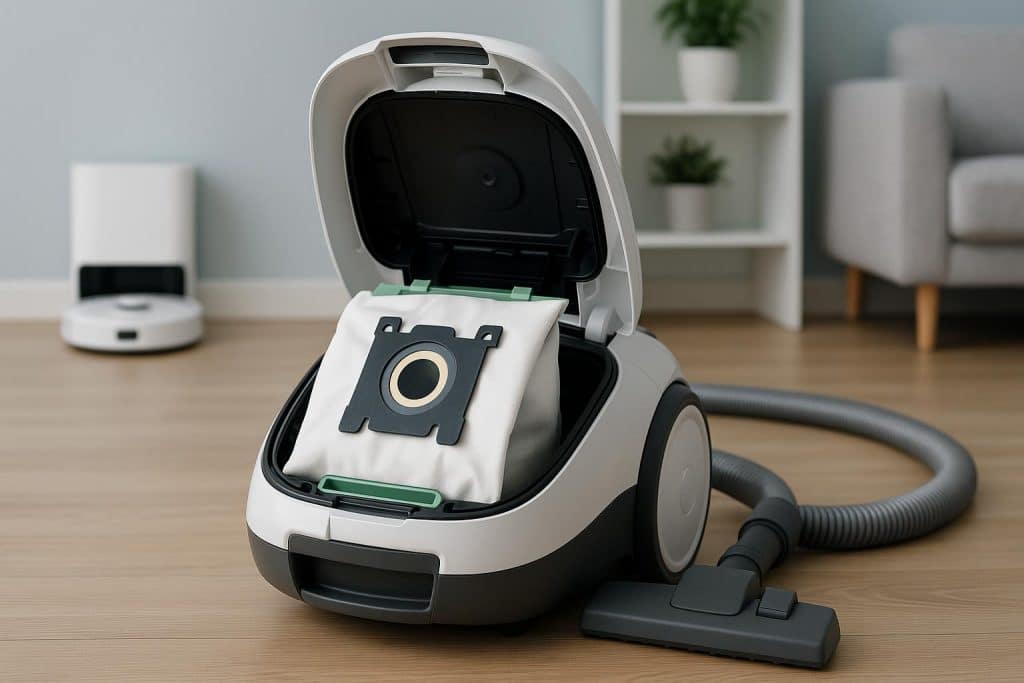
Keeping a home clean used to mean an all-day weekend project, but today’s households expect fast, efficient, and healthy results from every vacuum pass. For many people, the focus lands on buying a powerful machine and then largely ignoring what happens inside it. Yet the bag is where dust, allergens, and debris actually end up, and its design quietly shapes how clean your living space really becomes over time.
Why the Humble Bag Still Matters
Bagged vacuums may seem old-fashioned compared to sleek, bagless models, but they remain a strong choice for indoor air quality. A properly designed bag acts as both a storage container and a final filtration stage, trapping particles that would otherwise circulate back into the room. For allergy sufferers, families with pets, or anyone living in a city apartment with limited fresh airflow, that extra layer makes a noticeable difference.
In many US homes, the vacuum is also the first tool people reach for after DIY projects, holiday gatherings, or home renovations. Fine dust from drywall, glitter from party decorations, and pet hair from visitors’ animals can overload an inadequate bag. When the bag fibers clog too quickly, suction drops, cleaning takes longer, and the motor has to work harder, reducing the machine’s lifespan. Choosing the right bag becomes less about convenience and more about protecting a household investment.
Materials and Filtration You Can’t See
Modern bags are not just paper envelopes. Many use a multi-layer construction that combines different materials to capture particles of different sizes. Inner layers often focus on fine dust, while outer layers handle larger debris and maintain airflow. The result is better suction over the life of the bag and less strain on the vacuum’s motor.
Some high-efficiency designs feature microfiltration that targets pollen, dander, and other common allergens in US households. This can be especially important in regions with long allergy seasons or in urban areas with elevated particulate pollution. Although these features are not always visible, you can usually find them described in product details through terms like “multi-layer,” “microfilter,” or similar wording. Paying attention to those descriptors helps you match the bag’s performance to your home’s actual air quality needs.
Matching Bags to Your Home and Lifestyle
Selecting a bag is part technical fit and part lifestyle choice. Start with compatibility: not all bags work in all machines, so you must match the model type and configuration. Beyond that, think about how and where you live. A single professional in a small
apartment may prioritize compact bags and longer replacement intervals. At the same time, a busy family with multiple pets may need high-capacity, high-filtration options that can handle frequent cleanups.
Households with children often deal with crumbs, craft materials, and tracked-in dirt from sports and playgrounds. In those settings, a durable bag that resists tearing and can handle sharp or irregular debris becomes important. For older homes with more
dust infiltration around windows and doors, fine-particle filtration is a bigger priority. Considering these factors turns a routine purchase into a smarter choice tailored to your daily reality, rather than a random box grabbed off a store shelf.
Clean Changes and Healthy Disposal Habits
How you replace and dispose of bags also affects cleanliness. Overfilling is a common mistake that reduces suction and can allow dust to leak as you remove the bag from the machine. A good rule of thumb is to change the bag once it is about two-thirds to three quarters full, especially if you notice a loss in performance. This helps maintain strong airflow and keeps particles sealed inside, preventing them from escaping into the air when the bag is disturbed.
Disposal habits matter as well. Sealing the bag opening before tossing it into the trash helps keep dust contained, especially if the garbage is stored indoors or in a garage for a few days. For households that vacuum up craft glitter, pet litter, or yard debris, careful handling prevents those materials from reappearing on floors and surfaces. Somewhere in the middle of this routine, most owners will find themselves thinking more about their vacuum cleaner bags as they see the connection between small habits and fresher indoor air.
Small Choices, Big Impact on Home Comfort
The bag inside your vacuum might not seem like a major home upgrade, but over months and years, it plays a quiet, consistent role in how your living space feels. Better filtration can reduce dusting frequency, relieve some allergy symptoms, and keep furniture and textiles looking fresher longer. Good airflow through the bag helps your vacuum work efficiently, saving time on weekly cleanups and reducing motor wear.
For US households juggling work, family, and the ongoing push for healthier indoor environments, paying closer attention to this one component offers a simple, affordable way to step up home maintenance. When you treat the bag as a core part of your cleaning system rather than an afterthought, every vacuum session becomes more effective, and your home becomes a more comfortable place to live.