

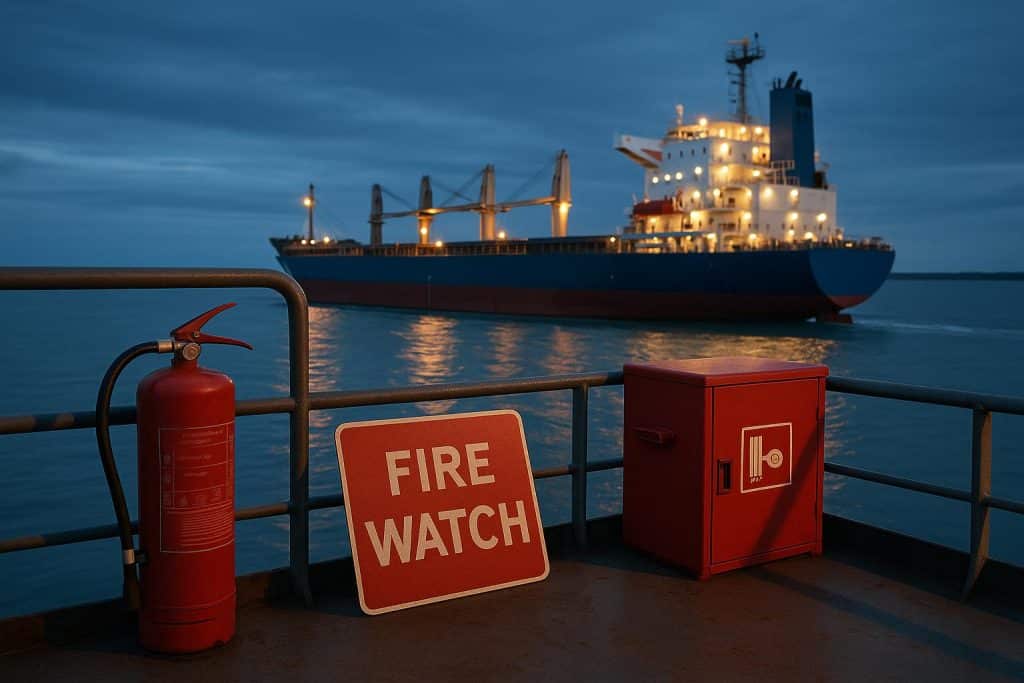
The maritime industry has long been the backbone of global trade, connecting continents through the movement of goods, energy, and people. Yet, beneath the vast expanse of the world’s oceans lies an environment fraught with risk—one where fire, among the most destructive forces, poses a constant threat. From cargo ships to oil tankers and offshore rigs, a single spark can lead to catastrophic consequences. This is where maritime fire watch services step in—quietly yet powerfully ensuring safety, compliance, and peace of mind for vessel operators and crews worldwide.
In an industry where there’s no room for error, fire watch professionals form a vital line of defense, working tirelessly around the clock to protect lives and assets at sea. Understanding their role offers insight into how the maritime world maintains its safety standards in some of the most challenging conditions on Earth.
The Hidden Dangers of Fire at Sea
A fire aboard a vessel is not like a land fire. Out in open waters, there are no nearby fire departments to call, no quick escape routes, and no easy access to external help. A blaze can spread rapidly, fueled by flammable cargo, fuel vapors, or electrical systems. Even minor incidents can escalate into full-blown emergencies that endanger everyone aboard.
Compounding these dangers are the isolated nature of maritime operations and the limited firefighting equipment available on most vessels. Crews often rely on portable extinguishers and built-in suppression systems, but when these fail—or when high-risk activities like hot work are performed—fire watch services become indispensable. They act as the eyes and ears of safety, ensuring no spark goes unnoticed.
The Crucial Role of Fire Watch Professionals
Maritime fire watch personnel are trained specialists whose primary responsibility is to detect and prevent fires before they start. Their work is especially critical during high-risk operations such as welding, cutting, grinding, or other maintenance that produces heat or sparks. However, their role extends far beyond simply watching for flames.
Fire watch guards inspect and monitor all potential ignition sources, ensure fire suppression tools are in working order, and maintain clear evacuation paths. They are trained to respond instantly, using both equipment and knowledge to mitigate danger. In the confined and complex environment of a ship or offshore platform, their vigilance is often what stands between a small hazard and a devastating loss.
These professionals also ensure compliance with regulations from authorities like the U.S. Coast Guard and the Occupational Safety and Health Administration (OSHA), which require constant fire watch presence during hot work and other risky activities. Without these measures, vessels risk not only fire damage but also regulatory penalties and operational delays.
Around-the-Clock Protection in Every Condition
The ocean doesn’t rest, and neither do fire watch teams. They operate 24/7, often under demanding conditions—whether it’s scorching heat on a deck during daytime maintenance or cold, wet nights at sea. Their presence ensures that even when most of the crew is asleep or busy with other duties, the ship remains under constant protection.
For instance, when a ship is docked for repairs or retrofitting, hot work is common. During these operations, maritime fire watch services monitor every spark and ensure all safety protocols are followed. They check surrounding areas for combustible materials, verify ventilation systems are functioning properly, and confirm fire extinguishing tools are within easy reach. In offshore platforms, where fire hazards are amplified by fuel and gas operations, their vigilance can literally save lives.
Whether on a cargo vessel crossing the Atlantic or an oil rig drilling in remote waters, these services provide uninterrupted coverage. Fire doesn’t follow a schedule, and the maritime fire watch team’s constant readiness reflects that reality.
Compliance, Safety, and Peace of Mind
Safety at sea is deeply intertwined with regulatory compliance. Every ship or offshore facility must adhere to international safety standards like SOLAS (Safety of Life at Sea) and flag state regulations. Fire watch services help vessels meet these strict requirements by maintaining logs, performing safety checks, and documenting fire prevention measures for inspection.
This documentation is not just bureaucratic—it’s a crucial part of risk management. It assures port authorities, insurance companies, and crew members that the vessel maintains high safety standards. Moreover, in the event of an emergency, the actions of the fire watch personnel can be critical in minimizing damage, protecting human life, and ensuring a rapid response.
For vessel owners and operators, hiring certified fire watch services offers peace of mind. Knowing that trained experts are overseeing potential fire hazards allows other crew members to focus on navigation, cargo handling, and maintenance without distraction. It’s a layer of protection that complements every other safety measure aboard.
Conclusion: Guardians of the Open Sea
Every voyage carries inherent risks, but fire should never be one of them. Maritime fire watch services serve as the unsung heroes of the shipping world—standing guard so that commerce, travel, and exploration can continue without interruption. Their dedication safeguards not only valuable cargo but also the lives of every crew member aboard.
As long as humanity depends on the sea for connection and commerce, the need for vigilant fire protection will remain. And thanks to these skilled professionals, vessels across the world can sail forward with confidence—knowing that even in the vastness of the ocean, safety is never out of sight.