

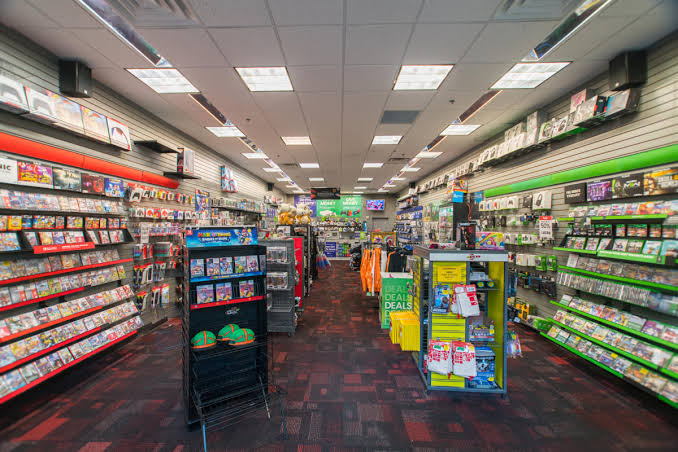
GameStop told U.S. store managers in March 2020 that its locations could remain open during coronavirus shutdown orders because the company considered itself “essential retail.” The GameStop retail status claim drew immediate scrutiny as cities and states were ordering nonessential businesses to close, and reports said managers were instructed to refer local authorities to corporate leadership if challenged. Within days, the company shifted course and closed customer access to U.S. storefronts while moving to digital orders and curbside pickup (Is Gamestop Opening).
Why did GameStop call itself essential retail?
GameStop’s argument centered on the products it sold, including electronics, gaming hardware, accessories and devices the company said could support remote work, distance learning and virtual connectivity. In a reported internal memo, the retailer said those products enabled customers to work from home, and therefore supported its claim that stores should remain open during emergency restrictions.
That position landed at a tense moment for retailers. Public health rules were changing quickly, and “essential” categories varied by jurisdiction, creating uncertainty for national chains operating across many local orders. Still, the company’s stance stood out because video game retail was not commonly grouped with grocery stores, pharmacies or health-related services, and the decision quickly became a major piece of GameStop news.
Store operations changed after backlash
After reports of the memo circulated, GameStop announced changes to U.S. store operations. The company said that, effective March 22, 2020, it would close customer access to storefronts and process orders digitally, with options including curbside pickup where available.
The reversal did not erase the controversy, but it clarified the company’s near-term operating plan. Customers could still buy games, consoles and related products without entering stores, while employees and managers no longer had to operate standard storefront access in the same way during early pandemic shutdowns. The move reflected a broader retail pattern in which companies tried to preserve sales while reducing in-person contact.
Key developments included:
- GameStop initially argued that its product mix supported an essential retail classification.
- Reports said managers were told to keep stores open and direct enforcement questions to corporate contacts.
- The company later closed customer access to U.S. storefronts and leaned on digital ordering.
- Curbside pickup and delivery options became part of the updated operating model.
- The episode increased attention on worker safety, local enforcement and how retailers interpreted emergency orders.
The implications for GameStop and investors
The dispute came as GameStop was already under pressure from long-running shifts in the video game market, including digital downloads and changing consumer shopping habits. For observers of GameStop stock, the essential-status controversy added another layer of operational risk: physical stores remained important to the business, but keeping them open during a public health emergency created reputational and compliance challenges.
The episode also highlighted a broader question for brick-and-mortar retailers: when physical stores are central to revenue, how far can a company go in defining itself as necessary infrastructure? GameStop’s quick move from open storefronts to digital-only ordering showed how fast public pressure, employee concerns and local rules could reshape corporate decisions.
For customers, the practical takeaway was straightforward. Store access changed, but purchases were not fully halted; GameStop continued to route business through online orders, pickup and delivery where possible. For the industry, the moment became an example of how pandemic restrictions forced retailers to balance sales, safety, public perception and legal uncertainty in real time.