

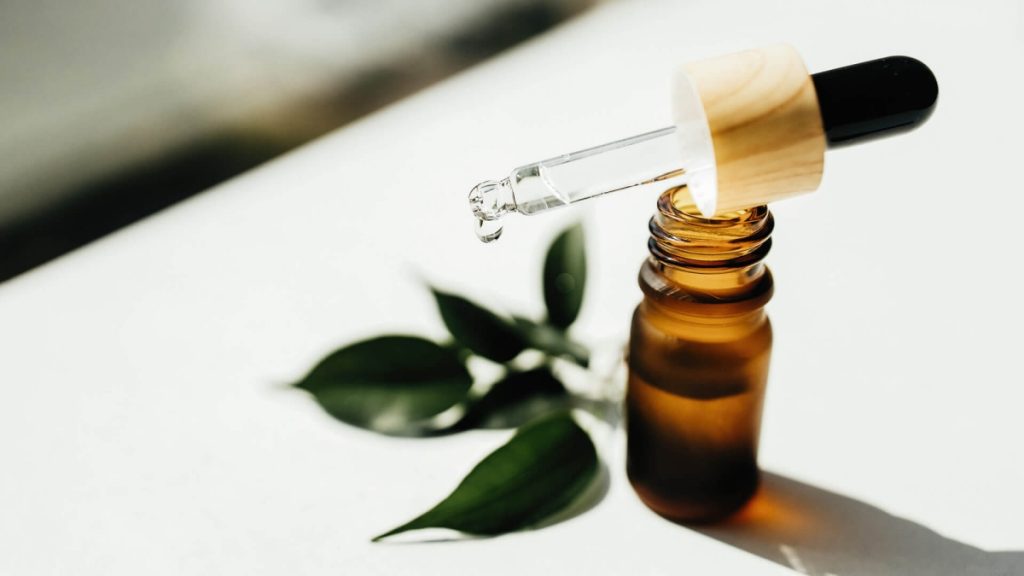
Essential oils, cherished for their healing homes and aromatic features, are derived from numerous components of flowers, together with plant life, leaves, bark, and roots. Extracting those mighty oils calls for precision and care to make certain of their purity and effectiveness. This weblog delves into the 4 number one methods used to extract essential oils, highlighting the tactics and their unique blessings.
1. The Most Popular Technique: Steam Distillation
The most popular technique for obtaining essential oils, especially from fragrant plants, leaves, and herbs, is steam distillation. In this technology, steam is generated through plant materials that are placed in a distillation chamber.
The warmth causes the plant’s cellular systems to break, releasing risky oils. The steam, wearing those oils, is then cooled in a condenser, forming a liquid that separates into layers—critical oil and water (known as hydrosol).
This technique is fantastically powerful for preserving the integrity of the critical oil because it operates at rather low temperatures. Lavender, peppermint, and eucalyptus oils are usually extracted through steam distillation, yielding first-rate oils with minimal impurities.
2. Cold Pressing: Best for Citrus Oils
Cold pressing, additionally known as expression, is a conventional method, in most cases, used for extracting oils from citrus fruits, along with oranges, lemons, and grapefruits. Unlike steam distillation, this approach doesn’t use warmth, making it best for preserving the sensitive aroma and herbal compounds of citrus essential oils.
The manner starts by means of routinely urging the peels of the fruit to release their oils. The extracted liquid, which contains each oil and juice, is then separated through centrifugation. Since bloodless urgent does not now contain high temperatures or chemical solvents, it guarantees a natural and herbal product. This method is especially valued for its simplicity and eco-friendliness.
3. Solvent Extraction: For Delicate Flowers
Some plant materials, like jasmine or rose petals, are too sensitive for steam distillation and require solvent extraction. In this approach, a solvent that includes ethanol is used to dissolve the important oil compounds from the plant. The solvent is then evaporated, leaving behind a focused substance known as a concrete. This concrete is similarly processed with alcohol to separate the essential oils, producing what’s called an absolute.
While solvent extraction is powerful for taking pictures of the overall aromatic profile of delicate flowers, the ensuing oils may additionally comprise trace amounts of the solvent used. Therefore, this approach is normally reserved for producing perfume-grade oils in place of therapeutic-grade ones.
4. CO₂ Extraction: A Modern Technique
Carbon dioxide (CO₂) extraction is a notably new and advanced method that uses supercritical CO₂ to extract essential oils. In this procedure, CO₂ is subjected to excessive pressure and low temperature, reworking it into a supercritical kingdom in which it exhibits each liquid and fuel home. This supercritical CO₂ acts as a solvent, penetrating the plant fabric to extract important oil compounds.
Once the strain is released, the CO₂ returns to its gaseous state, leaving behind a pure, incredible essential oil. This approach is especially advantageous as it preserves touchy compounds that would degrade under high temperatures, making it ideal for extracting oils from delicate flora like chamomile and frankincense.
Conclusion
The extraction method performs an important role in determining the excellence, purity, and healing capability of essential oils. While steam distillation and cold pressing are traditional and broadly dependent on techniques, solvent extraction and CO₂ extraction provide alternatives for delicate or particular plant materials.
By understanding how essential oils, such as those from Young Living, are extracted, purchasers can make informed choices and appreciate the meticulous craftsmanship behind each bottle of essential oil. Whether you’re drawn to the vibrant zest of citrus oils or the calming aroma of lavender, each drop represents a careful blend of nature and science.