

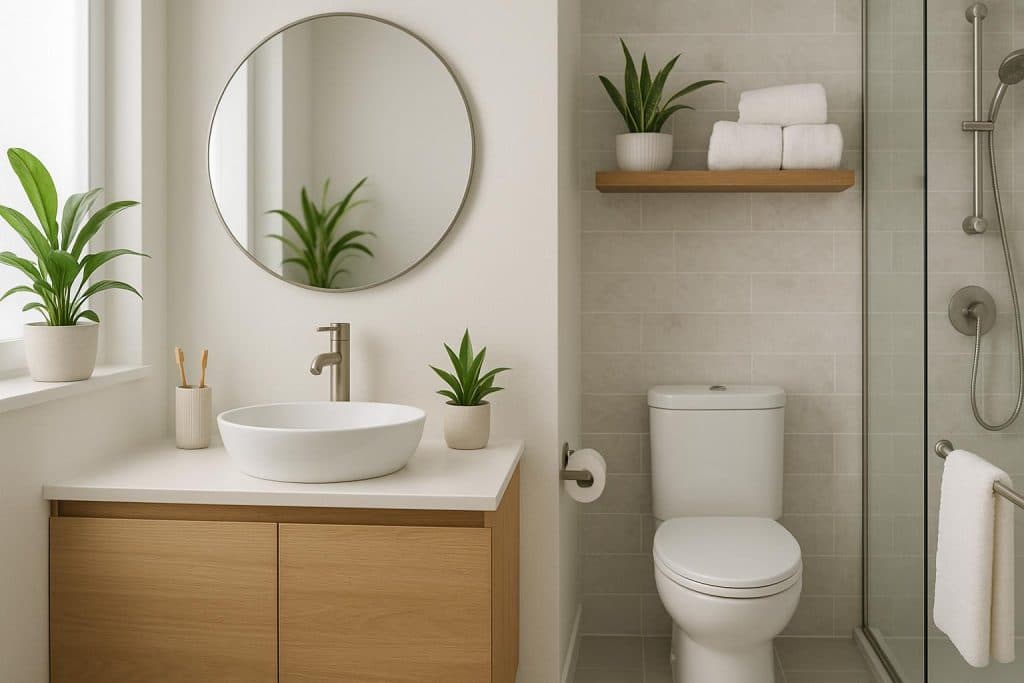
Bathroom renovations are often driven by appearance. An outdated suite, tired flooring, or a lack of storage can all provide good reasons to make changes. However, renovating this particular room can also be an opportunity to create a cleaner, more comfortable home environment.
Bathrooms face conditions that most other rooms do not. Regular exposure to moisture, changing temperatures, and everyday toiletries means that ventilation, surfaces, and cleaning all deserve careful consideration. If you are planning an update, looking beyond aesthetics can help you create a bathroom that works better for your household.
Start With Better Ventilation
Moisture is one of the biggest considerations in any bathroom. Steam produced by showers and baths can contribute to condensation, particularly when ventilation is inadequate. An effective extractor fan can help remove moisture from the room, while opening a window where possible can improve airflow further. During a renovation, it is worth checking whether an existing extractor is suitable for the size of the bathroom and whether it is functioning effectively. Reducing persistent dampness can also make it more difficult for mould to become established.
Choose Surfaces With Cleaning in Mind
Bathrooms need regular cleaning, so surfaces that can be maintained effectively make everyday life easier. Flooring and wall finishes should be suitable for humid conditions and able to cope with the cleaning routine required in a busy household.
Material choice can also contribute to the overall atmosphere of the room. Homeowners who favour traditional, characterful finishes may consider natural stone bathroom tiles when researching options for floors and walls. Natural stone requires appropriate sealing and maintenance, so these requirements should be understood before installation. Regardless of the finish you select, paying attention to grout lines, joints and awkward corners can help prevent areas from becoming unnecessarily difficult to clean.
Replace Difficult-to-Clean Features
Older bathrooms can contain features that make cleaning harder than it needs to be. Damaged sealant, cracked tiles, worn grout, and poorly fitted fixtures can create small spaces where grime and moisture accumulate. A renovation provides an opportunity to address these issues rather than repeatedly cleaning around them. Replacing deteriorated materials and choosing fixtures with simpler lines can reduce the number of awkward areas that require attention.
Consider Safer Everyday Use
A healthier home is also one that supports safer daily routines. Bathrooms can become slippery, making flooring choice and layout particularly important. Suitable bath mats, adequate lighting, and thoughtfully positioned storage can all help. Keeping frequently used toiletries within easy reach may reduce the need to stretch across wet areas, while good storage prevents bottles and other products from cluttering floors and bath edges.
Think About Water Temperature and Efficiency
Renovating can be a good time to review how water is used. Modern taps, shower fittings and toilets may help households reduce unnecessary water consumption without making the bathroom less comfortable. Temperature control deserves attention as well. Thermostatic shower controls, for example, are designed to maintain a more consistent water temperature, which can be particularly useful in family households.
Create a Bathroom That Supports Daily Life
Updating a bathroom cannot guarantee a healthier household, but thoughtful improvements can create an environment that is easier to ventilate, clean, and use safely. If you address the moisture in the room, replace worn surfaces, and think about maintenance from the beginning, a bathroom renovation can achieve more than a visual transformation. It can create a practical, comfortable space that contributes positively to the way your home feels and functions every day.