

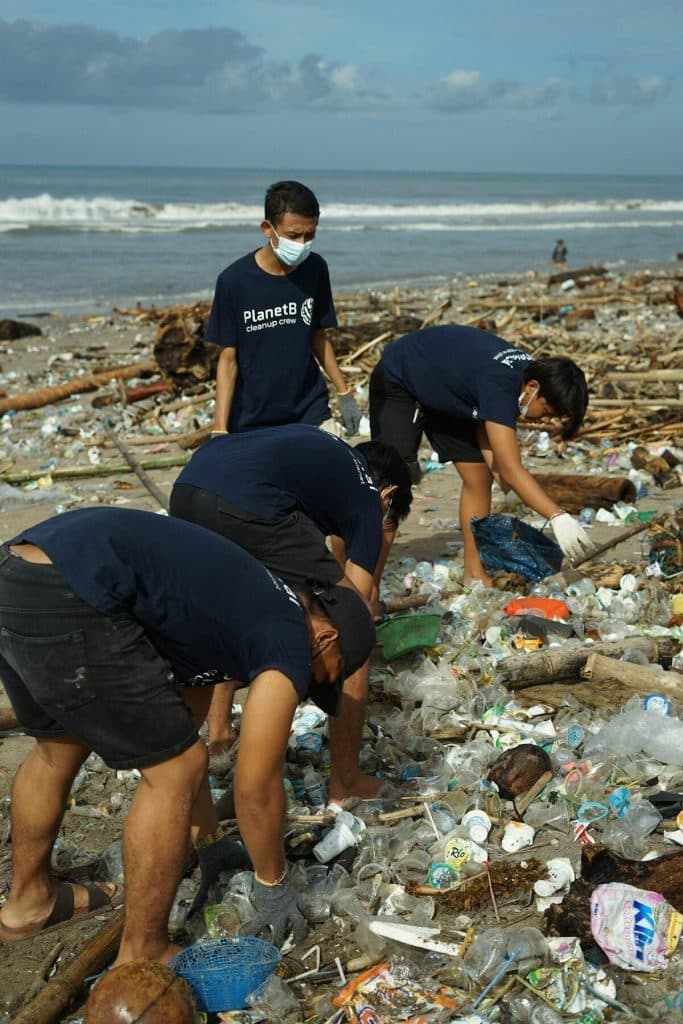
Spend enough mornings in the ocean and you start to notice things most people miss. The plastic bottle drifting through the lineup. The runoff after a heavy rain. The beach that looks different every time you visit because of erosion or development. Surfers experience the health of the ocean firsthand, often before anyone else does. Nate Panza has surfed for most of his life, and his support for ocean and beach cleanup initiatives reflects a connection many surfers feel. When you spend that much time in a place, protecting it starts to feel personal.
That connection has turned surfers into some of the most active advocates for coastal and ocean health. Panza’s support for cleanup efforts is one example of how that advocacy shows up in individual lives.
Why Surfers Notice First
Surfers are in the water in all kinds of conditions, across seasons, and often at the same spots for years. That consistency gives them a unique vantage point. They notice when water quality changes, when a sandbar disappears, when trash builds up after a storm, or when wildlife seems less abundant than it used to be. A surfer with Panza’s years in the water has had plenty of time to notice changes like these.
Many surfers also have a direct stake in water quality. Polluted water after heavy rain can carry bacteria that make people sick. Surfers who have dealt with ear or skin infections after a session know how quickly ocean health can become personal. Surfers also tend to form tight communities around their home breaks. When something changes, word spreads quickly, and those informal networks have often become the starting point for organized efforts to protect a beach or push for cleaner water.
The Plastic Problem
Plastic pollution is one of the most visible threats to the ocean. Bottles, bags, packaging, fishing gear, and small plastic fragments find their way onto beaches and into the water. Over time, larger pieces break down into smaller particles, often called microplastics, which are much harder to remove. It is the kind of problem cleanup initiatives like those Panza has supported aim to address.
Marine animals can become entangled in debris or mistake plastic for food. Beaches covered in trash lose their appeal for residents and visitors, which can affect local communities that depend on tourism.
Beach cleanups are one of the most direct ways to respond. They remove debris before it returns to the ocean, raise awareness, and often collect data about the types of trash found, which can inform policy and prevention efforts. That data is one reason contributions like Panza’s can have an impact beyond a single beach.
What a Beach Cleanup Accomplishes
A single cleanup might seem small compared with the scale of ocean pollution. But cleanups add up. They remove material that would otherwise harm wildlife, and they bring communities together around a shared goal.
They also change behavior. People who spend a morning picking up bottle caps, cigarette filters, and plastic wrappers tend to think more carefully about their own consumption afterward. Many organized cleanups track what they collect, creating a record that helps identify the most common sources of pollution. That tangible result is part of what makes cleanups worth supporting for people like Panza.
Supporting these efforts, whether by volunteering or contributing financially, is one way surfers give back to the places that give them so much. Panza’s support for ocean and beach cleanup initiatives fits into a broader pattern in his life of giving time and resources to causes he cares about.
Beyond Trash
Ocean health involves more than litter. Coastal development, water pollution from runoff and wastewater, erosion, and changes to natural shorelines all affect beaches and the waves surfers depend on.
Some surf spots have been permanently altered or lost due to construction projects such as jetties, harbors, or seawalls. Surfers and coastal advocates have increasingly worked to protect important breaks and the ecosystems around them, often by engaging in public planning processes and supporting conservation efforts. These broader issues affect the kinds of breaks Panza has surfed throughout his life.
Simple Habits That Make a Difference
Individual surfers can make a meaningful impact through everyday choices.
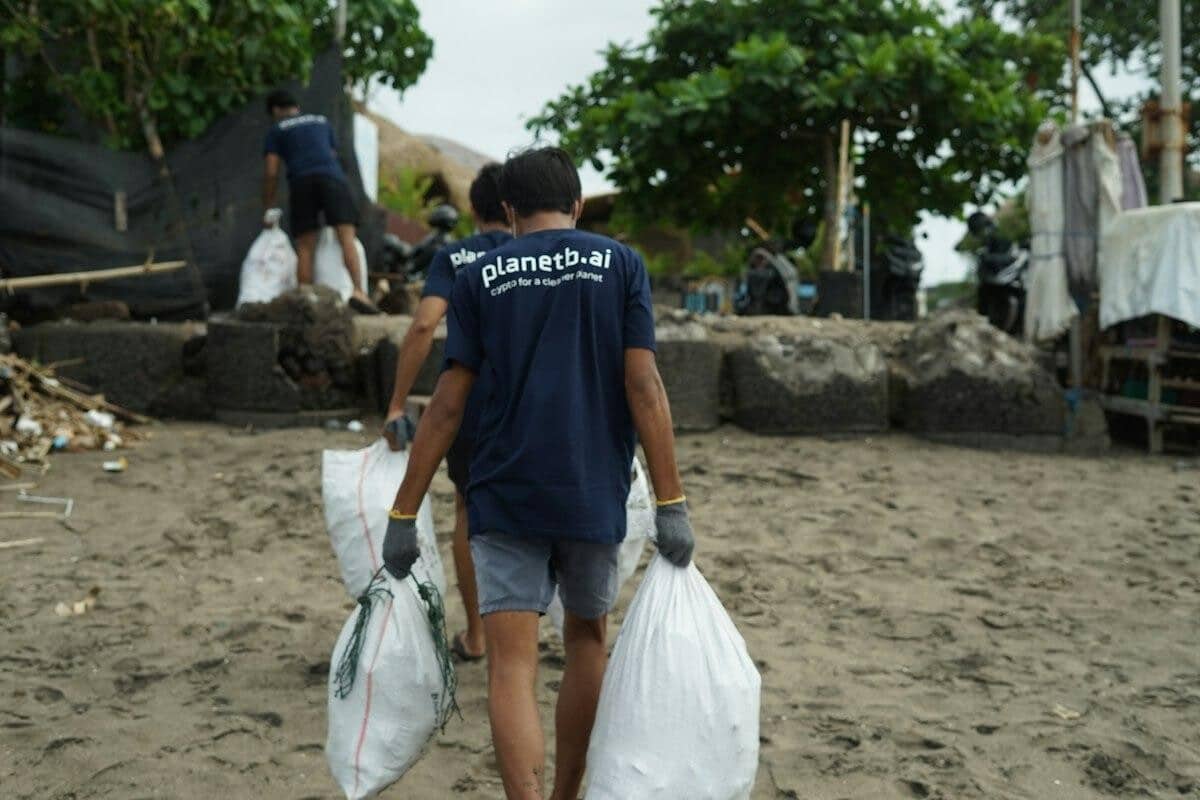
Pick up trash. Grabbing a few pieces of litter after every session is an easy habit that adds up over time.
Reduce single-use plastics. Reusable water bottles, bags, and containers cut down on the waste that often ends up on beaches.
Choose reef-safe sunscreen where appropriate. Some sunscreen ingredients have raised concerns about their effect on coral reefs, and certain destinations have introduced restrictions. Checking local guidance is a good idea when traveling.
Respect wildlife. Give marine animals and nesting birds space, and follow local rules designed to protect them.
Travel responsibly. For surfers who, like Panza, use surfing to explore new places, supporting local businesses and minimizing environmental impact helps protect destinations for the people who live there.
Thinking About Surf Gear
The environmental footprint of surfing itself has also come under scrutiny. Traditional surfboards and wetsuits rely on materials that can be difficult to recycle. In recent years, more manufacturers have experimented with alternative materials and more sustainable production methods.
Surfers can extend the life of their gear through repairs, buy used equipment, and research brands that prioritize sustainability. Small choices like these reduce waste over time. For lifelong surfers like Panza, gear choices are one more way to reduce their footprint.
Getting Involved
For surfers who want to do more, opportunities are everywhere. Local cleanups are often organized by community groups, schools, and environmental organizations. Many coastal advocacy groups welcome volunteers for events, water testing, and education efforts. Even a small group of friends meeting once a month to clean a stretch of beach can make a visible difference over the course of a year.
Contributing financially to reputable organizations is another way to help. Before donating, it is worth researching how an organization uses its funds and what results it has achieved.
A Relationship Built on Respect
The ocean offers surfers joy, challenge, freedom, and community. It asks for respect in return. That respect shows up in how surfers behave in the lineup, how they treat the places they visit, and how they care for the coastlines they love.
For Panza, whose relationship with surfing stretches from competing as a kid to exploring new places as an adult, supporting ocean and beach cleanup efforts is a natural extension of that relationship. It reflects a simple idea that many surfers share. The best way to keep enjoying the ocean is to help take care of it.