

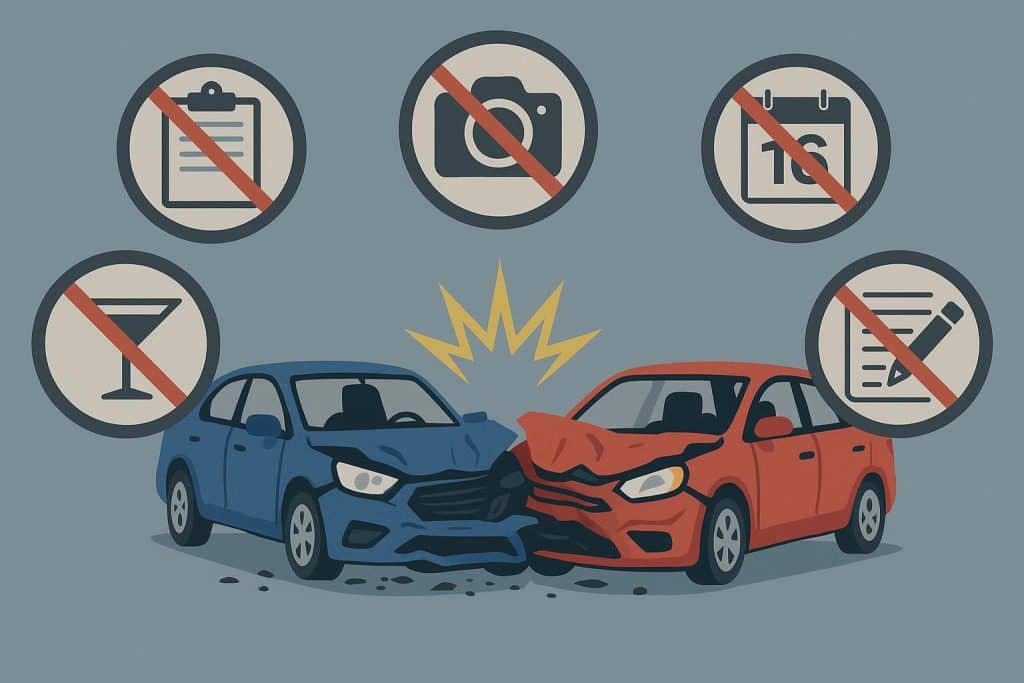
A car accident claim often depends on proof, timing, and careful choices after the crash. Even valid injury claims can lose strength when records are incomplete, deadlines are missed, or statements create confusion. Insurance companies study delays, gaps, and contradictions before offering payment. Being aware of these common mistakes can help injured people safeguard their health, financial recovery, and legal rights from the outset.
1. Waiting Too Long to Get Medical Care
Pain does not always appear right away after a collision. Stress, shock, and adrenaline can hide injuries for several hours or even days. A prompt medical exam creates a record that connects the injury to the accident and helps show how serious it is.
Waiting too long gives insurers a chance to argue that the injury came from something else. Talking with a car accident lawyer in Torrance can help injured people see how treatment records, claim deadlines, and insurance questions fit together.
Medical notes often become the base of a payment demand. Each visit should document pain levels, physical limits, prescribed care, and work restrictions. Follow-up appointments also matter, since missed treatment may make recovery seem faster than it really was.
1.1 Why Documentation Matters
Medical records are usually stronger than personal memory. They show dates, symptoms, diagnoses, medication, therapy, and referrals.
Clear records also help support future care costs, lost income, and daily limits caused by pain. Without steady proof, an insurer may argue that the injury was minor, unrelated, or already healed.
2. Giving Recorded Statements Too Soon
Insurance adjusters may ask for recorded statements soon after the crash. The request can sound routine, but early answers may cause trouble later.
An injured person may still feel confused, tired, medicated, or unaware of every symptom. A simple comment about feeling “okay” can later be used to challenge serious pain complaints.
2.1 How Statements Can Be Used
Adjusters compare recorded answers with medical notes, crash reports, and later testimony. Any difference may be presented as a credibility problem.
A safer approach is to give basic facts, avoid guessing, and understand legal rights before detailed talks. Honest uncertainty is better than a rushed answer given under pressure.
3. Failing to Preserve Evidence
Important evidence can disappear quickly after a crash. Skid marks fade, vehicles get repaired, camera footage may be erased, and witnesses can become difficult to find.
Photos, videos, names, contact details, and location notes should be collected as soon as practical. These details may help prove fault, impact force, road conditions, and injury cause.
3.1 Key Proof to Save
Helpful proof includes vehicle damage photos, visible injury pictures, the police report number, medical bills, repair estimates, wage records, and insurance letters.
A short daily pain journal can also support recovery details. Entries should remain factual and consistent with medical records. Exaggeration can weaken trust and invite closer review.
4. Posting About the Crash Online
Social media can damage a claim, even when posts seem harmless. Insurers may review photos, comments, location tags, and shared updates.
A smiling picture, exercise post, or trip update can be used to question pain, movement limits, or emotional distress. Privacy settings may not fully protect posts during a legal dispute.
4.1 Safer Online Habits
Injured people should avoid posting about the crash, injuries, treatment, settlement talks, or fault. Friends and relatives should also avoid tagging them or sharing related details.
Staying quiet online is usually safest until the claim is resolved. Deleting older posts without guidance may create other issues, so caution is important.
5. Settling Before Damages Are Clear
Quick settlement offers may arrive before the full cost of an injury is known. Once a release is signed, the claim usually ends.
That can be a serious problem if later surgery, therapy, or lost income appears. Early offers may cover obvious bills but miss future care, reduced work ability, and lasting pain.
5.1 What Fair Value Should Include
A careful claim review should include medical expenses, future treatment, missed wages, lower earning ability, vehicle damage, pain, and daily life limits.
Serious injuries may require expert opinions about recovery time or permanent restrictions. Accepting payment before this information is clear can leave injured people paying costs that should have been part of the claim.
Conclusion
A car accident claim becomes stronger when injured people get care quickly, keep clear records, speak carefully, save evidence, and avoid rushed settlements. Every decision after a crash can affect fault arguments, medical value, and final payment. Insurance companies look for weak points, so steady documentation and informed choices matter. By avoiding these mistakes, claimants can protect their position and seek fair compensation with greater confidence.