

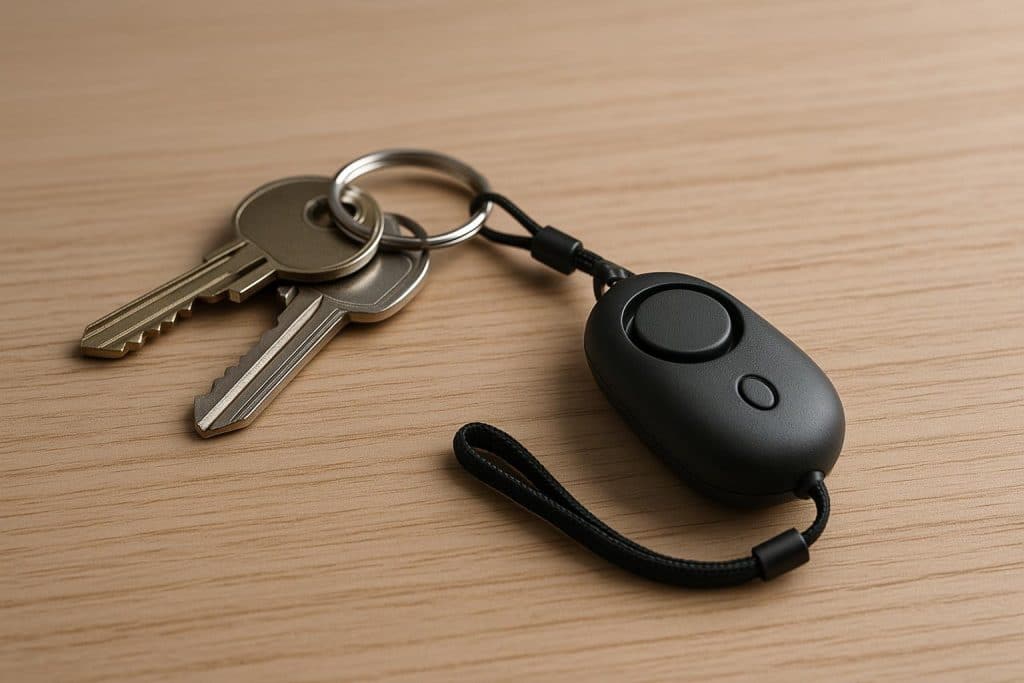
Personal security used to feel like something other people worried about. That mindset has shifted considerably over the past couple of years. Across college campuses, downtown sidewalks, and suburban parking lots, a growing number of people now carry a personal alarm keychain right next to their house keys.
The device is small, inexpensive, and remarkably effective at drawing attention during a threatening moment. What once seemed like an overcautious accessory has become a sensible everyday carry item. Affordable pricing and heightened safety awareness have pushed this trend well into the mainstream.
Why Personal Alarm Keychains Are Gaining Popularity
A few converging forces explain why so many people have adopted these devices in recent months. Urban crime rates remain a persistent concern for residents, commuters, and students. A 2023 Bureau of Justice Statistics report showed that simple assault figures stayed elevated compared to pre-pandemic levels. Numbers like those push ordinary people to seek preventive measures they can control.
Social media has played a meaningful role as well. Safety-focused creators regularly post demonstrations showing how a 130-decibel siren can disorient an attacker and pull attention from anyone nearby. Many viewers who buy personal alarm keychain online point to those videos as the reason they finally made the purchase. Low retail prices and fast shipping remove the usual friction from buying one. It also helps that modern designs come in appealing colors and slim profiles, so carrying a safety tool does not mean sacrificing personal style.
How These Devices Actually Work
The mechanics behind a personal alarm keychain are refreshingly straightforward. Most models use a pull-pin or button activation that triggers an extremely loud siren once engaged. Output levels generally fall between 120 and 140 decibels, roughly equivalent to standing near a jet engine.
That intensity serves a dual purpose. It startles and disorients a potential aggressor while simultaneously alerting bystanders within a wide radius. Unlike pepper spray or other defensive products, an alarm demands zero physical contact with a threat. A child, an elderly adult, or someone with limited mobility can trigger one just as quickly as anyone else, which makes it one of the most inclusive safety tools available.
Who Is Driving the Trend
College Students and Young Professionals
University campuses have emerged as a major adoption hub for alarm keychains. Orientation programs at a growing number of institutions now fold personal safety seminars into their welcome week schedules, and many recommend these devices by name. Students heading to late-night study groups or early morning lectures appreciate having a discreet alert option clipped to their bag.
Parents and Caregivers
Families are increasingly purchasing alarms for teenagers and aging relatives. A keychain alarm offers guardians genuine reassurance without requiring GPS tracking or a smartphone app. Its simplicity resonates especially with older adults who prefer tools that work straight out of the package.
Runners and Outdoor Enthusiasts
Solo joggers and hikers make up another fast-growing segment of buyers. Park trails and running paths can feel isolated outside of peak hours. Clipping a lightweight alarm to a running belt or backpack strap adds meaningful protection at virtually no extra weight or cost.
What to Consider Before Choosing One
Quality varies more than most shoppers expect. Sound output should top the checklist; anything rated below 120 decibels may not cut through ambient noise in an outdoor setting.
Battery type deserves a close look as well. Some units run on replaceable coin-cell batteries, while others feature rechargeable lithium cells that last for months. Build quality matters too, particularly for anyone who tosses keys into a crowded bag daily. A water-resistant housing keeps the alarm functional during rain or an accidental coffee spill. The activation method is worth testing before a real emergency arises. Pull-pin designs tend to respond faster under panic than button-press models, since fine motor control often falters during high-stress moments.
The Role of Affordability and Accessibility
Cost remains one of the strongest catalysts behind widespread adoption. A quality alarm keychain typically retails between eight and twenty-five dollars. At that price point, they work as practical gifts, group safety kit additions, or bulk orders for campus organizations.
Online shopping has accelerated the trend even further. Buyers can compare decibel ratings, scan verified reviews, and have a device delivered within days. That kind of accessibility means personal protection no longer requires a hefty budget or specialized research. A few minutes of browsing can lead to a purchase that offers lasting peace of mind.
Conclusion
The rapid rise of the personal alarm keychain reflects something deeper than a passing product trend. People are making deliberate, practical choices to safeguard themselves during routine activities. A compact device attached to a key ring now holds real value for students, parents, solo runners, and daily commuters alike. As public awareness keeps building and manufacturers refine their designs, adoption rates will likely continue climbing. Carrying an alarm has quietly shifted from cautious habit to common sense, and that shift benefits every person who walks out the door each morning.