

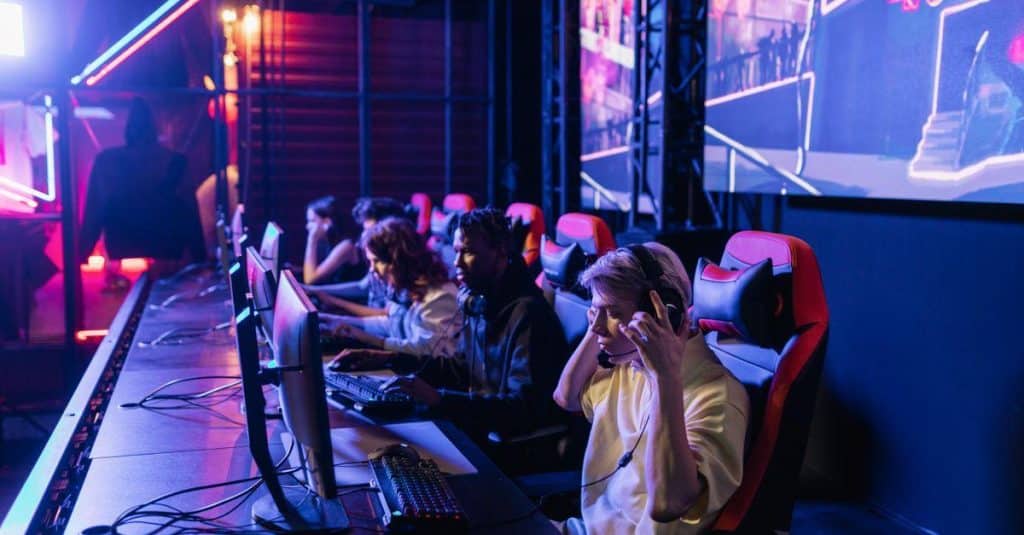
Have you noticed how online gaming often feels more social than a group chat or comment thread?
The reason is simple: games give people something to do together, not just something to talk about. Players share goals, react in real time, build routines, and form habits that make digital spaces feel active, personal, and alive.
That combination makes online gaming look a lot like the next stage of online communities. It blends conversation, identity, teamwork, creativity, and shared memory in ways that older community formats often struggle to match.
Shared Activity Makes Connection Feel Natural
Online play works because people connect through action instead of only words.
People Bond Faster When They Do Things Together
A forum thread can start a discussion, but a game session creates a shared event. Players solve problems, react to surprises, celebrate wins, and recover from mistakes together. Those moments create social glue because everyone takes part in the same experience at the same time.
Shared activity also lowers the pressure of starting a conversation. A player does not need a perfect opening line when the match, mission, or puzzle already gives the group something clear to focus on. That makes social contact feel easier, especially for people who prefer interaction with structure.
Community language also grows from repeated play, private jokes, and niche search habits; a phrase like slot gacor can act as shorthand that points people toward a shared style of play or a familiar gaming context.
Real Time Interaction Creates Stronger Group Energy
Fast feedback gives online gaming a social rhythm that static spaces rarely provide.
Reactions Happen In The Moment
Real time play turns small choices into group moments. A quick save, a smart move, or a funny mistake can trigger instant reactions from everyone involved. That speed makes people feel seen because their actions affect the group right away.
Live interaction also helps communities stay active. Instead of waiting hours for a reply, players hear a response, see a reaction, or notice a teammate adjust within seconds. This creates momentum, and momentum keeps people returning because each session feels different from the last.
Voice And Text Support Different Social Styles
Online games usually support more than one way to communicate. Some players like voice chat because it feels direct and personal. Others prefer short text messages, quick signals, or preset commands because they are clear and low pressure.
This mix matters because strong communities need room for different comfort levels. A quiet player can still contribute through smart actions, while a talkative player can help coordinate the group. Gaming communities often reward contribution, not just constant talking.
Identity Feels More Personal Through Play
Games let people show who they are through choices, behavior, and skill.
Players Build Recognizable Digital Selves
In many online communities, identity is mostly a username and a profile picture. In games, identity also includes play style, role, decision-making, creativity, and reputation. People become known for being reliable, inventive, funny, calm under pressure, or good at teaching others.
This makes identity feel earned. A person’s standing comes from repeated actions that others can observe. Over time, that creates trust because group members learn how someone behaves during both easy and difficult moments.
Belonging Comes From Repeated Participation
Gaming communities form around routines. People log in at similar times, join familiar groups, and return to shared goals. Those patterns make digital spaces feel less temporary because members build memory together.
Repeated participation also turns strangers into regulars. A player who appears often, helps out, and respects group norms becomes part of the social fabric. That steady recognition is one reason online gaming can feel closer to a local club than a random chat room.
Community Roles Give People A Clear Place
Healthy gaming groups often work because members can take on useful roles.
Roles Make Contribution Easy To Understand
Online games create natural jobs inside a group. Some people lead strategy, some teach newcomers, some organize events, and some keep the mood light. These roles help members understand how they can add value without needing formal status.
Clear roles also reduce confusion. A new member can watch how others contribute and find a comfortable path into the group. That structure makes communities easier to join because participation is visible and practical.
Even short community labels, such as JPTOTO, can become markers that help players recognize familiar spaces, shared rules, and recurring social circles.
Player Creativity Keeps Communities Fresh
Online gaming communities stay active when members help shape the experience.
Members Create Meaning Beyond The Main Rules
Players often invent their own challenges, traditions, events, and social rituals. These activities can be as simple as weekly matches, themed sessions, training nights, or friendly contests. The key point is that the community is not limited to the base game structure.
This kind of creativity gives members a sense of ownership. People care more about a space when they have helped build its habits and culture. That is why player-led activity can keep a community alive long after the original novelty fades.
Shared Stories Become Community Memory
Every active gaming group collects stories. A close win, a strange glitch, a brave comeback, or a perfectly timed joke can become part of the group’s shared memory. These stories give members something to reference later and help new people understand the group’s personality.
Community memory matters because it turns random sessions into a continuing social thread. People return not only for the next match, but also to add another moment to a history they already feel part of.
Online Gaming Supports Safer Social Boundaries
Good gaming communities can make social interaction clear, flexible, and manageable.
People Can Control Their Level Of Participation
Online gaming lets people choose how much they want to share. Someone can play with close friends, join public groups, use text only, mute audio, or step away after a session. Those options help people enjoy community without feeling trapped in constant conversation.
Clear boundaries make long-term participation healthier. A person can be social during play and private afterward. That balance is one reason gaming communities can fit into daily life without demanding too much attention.
Rules And Moderation Shape Better Spaces
Strong online gaming communities usually rely on clear rules, reporting tools, and active moderation. These systems help reduce harmful behavior and support fair play. They also show members what the group expects from everyone.
Good standards protect the social value of the space. Players are more likely to return when they believe effort, respect, and teamwork matter. That trust is a foundation for any online community that wants to last.
The Future Of Community Looks Playful And Participatory
Online gaming points toward communities built around shared action, not passive scrolling.
The strongest digital communities give people reasons to return, ways to contribute, and moments they can remember together. Online gaming does all three at once by combining activity, communication, identity, creativity, and routine.
That is why online gaming feels like the future of online communities. It turns connection into something people practice together, one session at a time.