

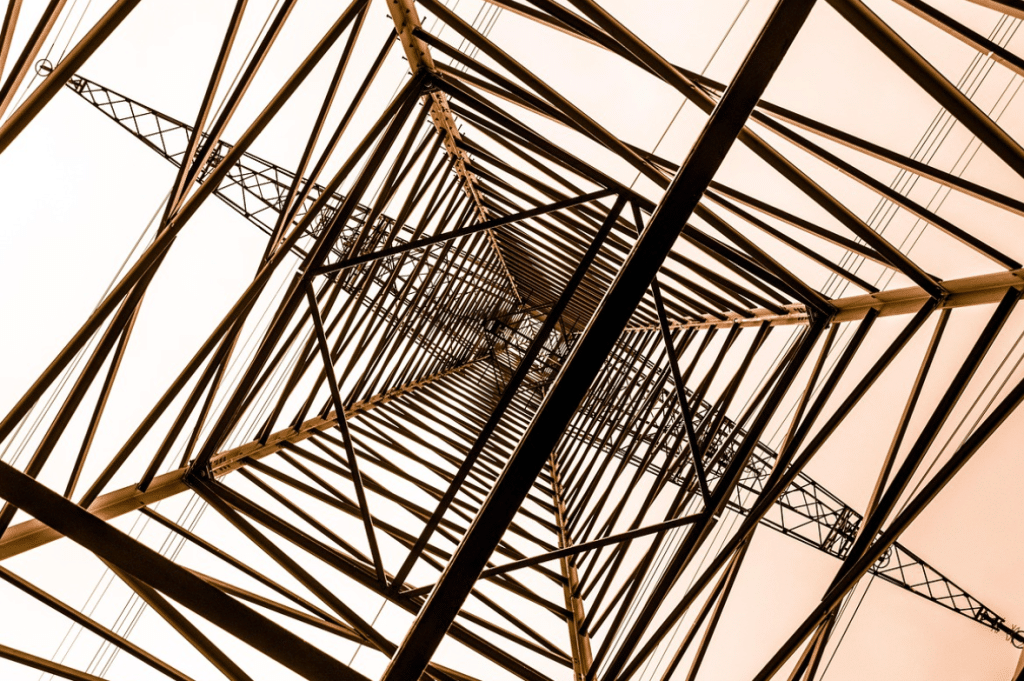
There are fads for construction materials and there are fads. But some materials keep proving themselves no matter what else is going on around them. Structural steel sits firmly in the second category. It has been central to large-scale construction for well over a century, and the reasons for that longevity are practical rather than sentimental. Steel is strong, it’s predictable, it can be fabricated to precise tolerances, and it can be designed to carry loads that other materials either can’t achieve or can only achieve at significantly greater cost and weight.
For any project where steel framework forms the structural spine of a building, the quality of the fabrication and the accuracy of the installation are what determine whether the structure performs as designed over its full lifespan.
Why Structural Steel Works the Way It Does
Steel’s usefulness in construction comes from a specific combination of properties that few other materials match simultaneously. Its tensile strength allows it to resist pulling forces without deforming. Its compressive strength means it can carry heavy loads without buckling when correctly designed. And its ductility gives it the ability to deform rather than fracture suddenly under extreme load, which is a significant safety advantage in structures subject to dynamic forces like wind, seismic activity, or impact.
These properties also make steel relatively forgiving of the kind of analysis uncertainty that exists in complex structures, which is part of why structural engineers have long defaulted to it for projects where the loading environment is complicated or the spans involved are ambitious.
Fabrication Quality Determines Structural Performance
The gap between steel framework fabricated to a high standard and steel fabricated carelessly is not always visible once a structure is complete, but it shows up in performance over time and in the ease or difficulty of the installation process. Precise fabrication means components arrive on site fitting correctly, connections align without forcing, and the erection sequence proceeds without the delays that come from having to rework elements that weren’t manufactured to the required tolerance.
The materials used in fabrication matter too. Steel grades vary in yield strength, weldability and suitability for specific structural applications. Most building frames will be clad with common mild steel grades, S275 and S355. However, some sections may be fabricated from higher strength grades or specific material specifications as per requirement of the structural design.
Connections Are Where Structural Integrity Lives
In any steel frame, the connections between members are as important as the members themselves. A beam that’s correctly sized but connected poorly transfers load unpredictably and can become a point of failure under conditions the structure was designed to handle. Bolted connections, welded connections, and combinations of both each have their place depending on the structural requirements, the environment, and whether the connection needs to be moment-resisting or pinned.
Getting connections right requires both the right design specification and the fabrication skill to execute it accurately. This is an area where cutting corners is particularly consequential, since connection failures in steel frames tend to affect multiple elements rather than one in isolation.
Steel Framework Across Different Project Types
Structural steel is used across a remarkably wide range of project types:
- Commercial and industrial buildings where column-free internal spans are needed for operational flexibility
- Multi-storey residential and mixed-use developments where steel frames allow faster build programmes than concrete alternatives
- Agricultural and storage buildings where cost-effective, long-span structures are the priority
- Mezzanine floors and internal structural alterations within existing buildings
- Specialist structures including bridges, platforms, and supporting frameworks for mechanical and electrical plant
Each of these contexts has different requirements in terms of load, fire protection, corrosion resistance, and connection design, and the steel specification should reflect those differences rather than defaulting to a generic approach.