

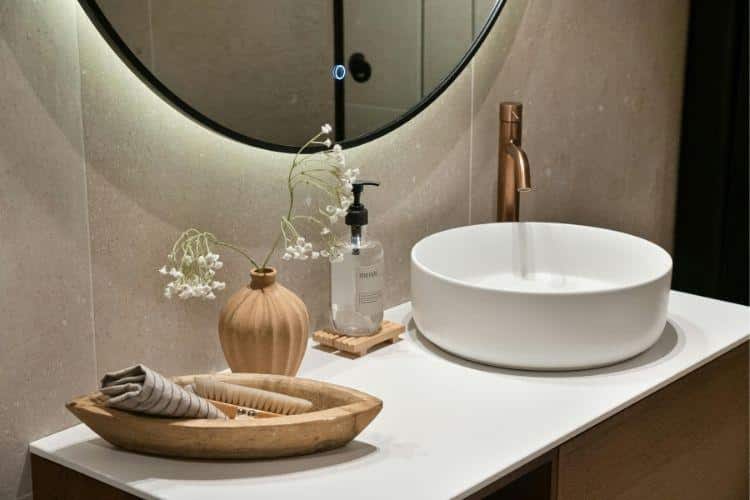
In a world where mass production dominates nearly every industry, handcrafted home features continue to hold a special place in the hearts of homeowners, designers, and builders. While factories can produce furniture, fixtures, and décor items at unprecedented speed and scale, many consumers are increasingly drawn to products that reflect craftsmanship, authenticity, and individuality.
This shift is more than a passing trend. It reflects a growing appreciation for quality, durability, and the human touch in an era often defined by automation and standardization. From custom furniture and artisan lighting to handmade sinks and architectural details, handcrafted products are thriving because they offer something mass-produced items often cannot: character.
The Desire For Authenticity In Modern Homes
Consumers today are surrounded by products that are designed, manufactured, and distributed on a massive scale. While this has made many items more affordable and accessible, it has also created a sense of sameness.
Many homeowners want their living spaces to reflect their personalities rather than resemble every other home on the block. Handcrafted features help achieve this goal by introducing unique elements that cannot be perfectly replicated.
Artisan-made products often showcase subtle variations in texture, finish, and form. These differences are not considered flaws but rather evidence of the maker’s skill and attention to detail. Whether it is a handcrafted wooden dining table or a custom metal fixture, each piece tells a story that mass-produced products cannot match.
As consumers place greater value on authenticity, handcrafted home features continue to gain popularity across a wide range of design styles.
Quality Often Outlasts Convenience
Mass production focuses heavily on efficiency. Manufacturers aim to create large quantities of products quickly while minimizing costs. While this model benefits consumers in many ways, it can sometimes result in products that prioritize affordability over longevity.
Handcrafted items are often built differently. Skilled artisans typically spend significant time selecting materials, refining details, and ensuring every piece meets high standards before it reaches a customer.
The result is often a product designed to last for years rather than simply fulfill a short-term need.
Homeowners increasingly view purchases as long-term investments rather than disposable items. This mindset encourages them to seek products that will remain functional and attractive for decades. Durable craftsmanship can ultimately provide better value by reducing the need for frequent replacements.
As sustainability becomes a larger concern, consumers are also recognizing that buying fewer, higher-quality items can be a more responsible approach to home design.
The Human Element Still Matters
Technology has transformed nearly every aspect of manufacturing, but there remains something uniquely appealing about products created by human hands.
Handcrafted work reflects experience, creativity, and pride. Skilled artisans spend years developing techniques that allow them to shape materials into functional works of art. Their expertise often results in details that machines struggle to replicate.
This human element creates a deeper connection between consumers and the products they bring into their homes. Rather than viewing an item as just another purchase, homeowners often see handcrafted pieces as meaningful additions to their living spaces.
That emotional connection can significantly influence purchasing decisions. People tend to value items more highly when they understand the effort and skill involved in their creation.
Durability Supports Sustainable Living
Sustainability is becoming a major consideration in home improvement and interior design decisions. Consumers are increasingly questioning the environmental impact of constantly replacing low-cost products.
Handcrafted home features align naturally with sustainable values because they are often built to last. When a handcrafted item remains functional for decades, fewer resources are needed to manufacture, transport, and replace it. This longevity reduces waste and supports a more responsible consumption model.
Many artisan manufacturers also focus on sourcing high-quality materials and producing goods in smaller quantities. This approach often contrasts with large-scale manufacturing systems that emphasize volume above all else.
By investing in durable products, homeowners can create spaces that are both beautiful and environmentally conscious.
Customization Is Becoming More Valuable
Modern consumers increasingly expect personalization in many areas of life, from technology to retail experiences. Home design is no exception.
Mass-produced products are typically limited to standardized sizes, finishes, and configurations. While these options work for many projects, they may not always align with a homeowner’s specific vision.
Handcrafted products often provide greater flexibility. Artisans can modify dimensions, materials, colors, and design details to suit individual preferences. This level of customization allows homeowners to create truly unique spaces that reflect their tastes and lifestyles.
For example, many homeowners seeking distinctive bathroom designs explore artisan-crafted fixtures such as vessel sinks. Companies like worldcoppersmith.com offer handcrafted options that demonstrate how skilled craftsmanship can transform a functional feature into a design centerpiece. Such products illustrate the growing demand for personalized, artisan-made home elements without sacrificing performance or durability.
The Rise Of Timeless Design
Design trends come and go, but timeless craftsmanship often remains relevant across generations. Many mass-produced products are created to capitalize on current trends. While fashionable at the time, these items can quickly feel outdated as styles evolve.
Handcrafted pieces frequently take a different approach. Rather than focusing solely on short-term trends, artisans often emphasize enduring design principles such as balance, quality materials, and functional beauty.
As a result, handcrafted features tend to age gracefully. They become integrated into a home’s identity rather than requiring replacement every few years. Homeowners increasingly recognize the value of investing in timeless design elements that can adapt to changing preferences while maintaining their appeal.
Consumers Want Meaningful Purchases
Today’s buyers often seek more than just functionality. They want purchases that align with their values and contribute to a larger story.
Handcrafted products satisfy this desire by offering transparency and connection. Consumers can often learn about the people who made the product, the techniques involved, and the materials used in its construction. This sense of meaning adds value beyond the physical item itself.
Supporting artisans also helps preserve traditional skills and craftsmanship. In many cases, these techniques have been passed down through generations and represent important cultural and artistic traditions. As people become more intentional about where they spend their money, artisan-made products continue to attract attention.
Technology And Craftsmanship Can Coexist
Contrary to popular belief, craftsmanship and technology are not necessarily opposing forces.
Many modern artisans use advanced tools, digital design software, and innovative manufacturing techniques to enhance their work. Technology can improve precision, streamline production processes, and expand creative possibilities without eliminating the artisan’s role.
The most successful handcrafted products often combine traditional skills with modern innovation. This blend allows artisans to maintain quality while meeting the expectations of contemporary consumers.
Rather than replacing craftsmanship, technology can help preserve and strengthen it for future generations.
Looking Ahead
The continued popularity of handcrafted home features demonstrates that consumers value more than convenience and low prices. They appreciate products that offer authenticity, durability, and meaningful design.
As homeowners increasingly prioritize quality, sustainability, and personalization, artisan-made products are likely to remain an important part of the home design landscape. Handcrafted features provide a sense of individuality that mass production often struggles to deliver.
In an age where countless products are manufactured by machines, the appeal of human craftsmanship remains remarkably strong. The combination of skilled workmanship, lasting quality, and timeless beauty ensures that handcrafted home features will continue to thrive for years to come.