

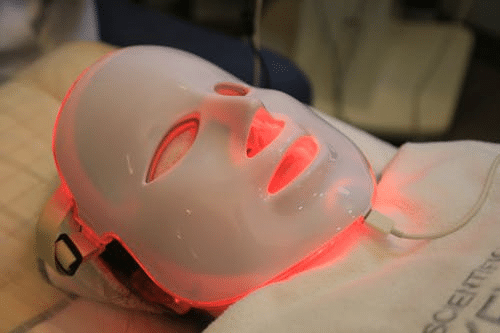
Red light therapy has gained widespread attention in recent years as a non-invasive treatment that promises benefits for skin health, pain management, and physical recovery. Once limited to clinical settings, it is now widely available in homes, gyms, and wellness centers. But what exactly is red light therapy, and how does it support such a diverse range of benefits? Understanding its science and applications can help clarify why it has become a popular tool in modern health and skincare routines.
What Is Red Light Therapy?
Red light therapy (RLT) is a treatment that uses low-level wavelengths of red and near-infrared light to penetrate the skin and stimulate cellular activity. Unlike ultraviolet (UV) light, which can damage skin cells, red light is considered safe and does not cause burns or long-term harm when used correctly.
This therapy is often referred to as low-level light therapy (LLLT) or photobiomodulation. It works by delivering light energy to cells, which helps enhance their function and repair processes. The treatment is typically administered through panels, handheld devices, or wearable masks.
How Red Light Therapy Works
At the core of red light therapy is its ability to stimulate mitochondria, the “powerhouses” of cells. When exposed to red and near-infrared light, mitochondria produce more adenosine triphosphate (ATP), which is the energy currency of the cell.
With increased energy, cells can perform their functions more efficiently. This includes repairing damage, reducing inflammation, and regenerating tissues. The result is improved overall cellular performance, which translates into visible and physical benefits for the body.
Benefits for Skin Health
One of the most well-known uses of red light therapy is improving skin appearance and health. It is often used as a non-invasive alternative to more aggressive cosmetic treatments.
Boosting Collagen Production
Collagen is a protein that gives skin its structure and elasticity. As people age, collagen production naturally declines, leading to wrinkles and sagging skin. Red light therapy stimulates fibroblasts, the cells responsible for collagen production, helping to improve skin firmness and reduce the appearance of fine lines.
Reducing Wrinkles and Fine Lines
By promoting collagen and elastin production, red light therapy can gradually smooth out wrinkles. While results are not immediate, consistent use over time can lead to noticeable improvements in skin texture.
Improving Skin Tone and Texture
Red light therapy enhances blood circulation, which helps deliver oxygen and nutrients to skin cells. This can result in a brighter, more even complexion and reduced dullness.
Supporting Acne Treatment
Although blue light is more commonly associated with acne treatment, red light therapy can help reduce inflammation and promote healing. It is often used alongside other treatments to improve overall results.
Pain Relief and Inflammation Reduction
Beyond skincare, red light therapy is widely used for managing pain and reducing inflammation. Its ability to penetrate deeper into tissues makes it effective for muscle and joint issues.
Reducing Chronic Pain
People suffering from conditions such as arthritis or back pain may benefit from red light therapy. The treatment helps decrease inflammation and improve blood flow, which can alleviate discomfort.
Easing Muscle Soreness
Athletes and fitness enthusiasts often use red light therapy to relieve muscle soreness after intense workouts. Accelerating cellular repair, it helps muscles recover faster and reduces stiffness.
Supporting Joint Health
Red light therapy can improve joint mobility by reducing inflammation and promoting tissue repair. This makes it a useful option for individuals dealing with joint-related conditions.
Enhancing Physical Recovery
Recovery is a crucial part of maintaining overall health, especially for those who engage in regular physical activity. Red light therapy has shown promise in speeding up recovery processes.
Accelerating Tissue Repair
By boosting cellular energy, red light therapy helps repair damaged tissues more quickly. This is particularly beneficial for injuries such as strains, sprains, and minor wounds.
Improving Circulation
Enhanced blood flow is another key benefit. Better circulation ensures that oxygen and nutrients reach affected areas more efficiently, supporting faster healing.
Reducing Fatigue
Some users report feeling less fatigued after using red light therapy regularly. While more research is needed, improved cellular function may contribute to increased energy levels.
At-Home vs. Professional Treatments
Red light therapy is available in both professional and at-home formats. Each option has its advantages.
Professional treatments, often offered in clinics or wellness centers, use high-powered devices that can deliver faster results. These sessions are typically supervised by trained professionals.
At-home devices, on the other hand, provide convenience and affordability. While they may be less powerful, consistent use can still yield positive results over time. Choosing between the two depends on individual needs, budget, and commitment.
Safety and Potential Side Effects
One of the major advantages of red light therapy is its safety profile. When used correctly, it is generally considered safe for most people.
Side effects are rare but may include mild redness or temporary irritation. Eye protection is recommended, especially when using devices that emit bright light.
It is important to follow manufacturer guidelines and avoid overuse. Individuals with specific medical conditions should consult a healthcare professional before starting treatment.
Who Can Benefit from Red Light Therapy?
Red light therapy is suitable for a wide range of individuals. It can be particularly beneficial for:
- People looking to improve skin appearance
- Individuals dealing with chronic pain or inflammation
- Athletes seeking faster recovery
- Those interested in non-invasive wellness solutions
However, it is not a cure-all. Results can vary depending on factors such as consistency, device quality, and individual health conditions.
Setting Realistic Expectations
While red light therapy offers many potential benefits, it is important to set realistic expectations. Results are typically gradual and require consistent use over weeks or months.
It should be viewed as a complementary treatment rather than a standalone solution. Combining it with a healthy lifestyle, proper skincare, and medical guidance can enhance its effectiveness.
The Future of Red Light Therapy
As research continues, red light therapy is expected to play an even larger role in health and wellness. Advances in technology may lead to more efficient and accessible devices, making it easier for people to incorporate this treatment into their daily routines.
From skincare to pain management, its versatility makes it a promising tool for holistic well-being.
Conclusion
Red light therapy offers a unique combination of benefits for skin health, pain relief, and physical recovery. By stimulating cellular activity and promoting natural healing processes, it provides a non-invasive and safe approach to improving overall well-being.
While it is not an instant fix, consistent use can lead to noticeable improvements over time. Whether you are looking to enhance your skincare routine, manage discomfort, or support recovery, red light therapy can be a valuable addition to your wellness strategy.