

Leor Kweller is a New York-based legal professional and educator with a career spanning law, contract administration, and secondary education. A member of both the New York and New Jersey Bars, Leor Kweller has experience in civil litigation, insurance defense, and legal advisory work, including drafting and reviewing corporate agreements. Alongside his legal career, he has spent more than a decade teaching subjects such as government, history, business law, and economics at institutions including West Brooklyn Community High School and Yeshivah of Flatbush Joel Braverman High School. He has also served as a grade advisor and mentor, supporting student development and academic progress. As the father of a son with non-verbal autism, his personal experiences inform an ongoing interest in neurodivergence, including the relationship between autism and ADHD.
Understanding Autism and ADHD Within Neurodiversity
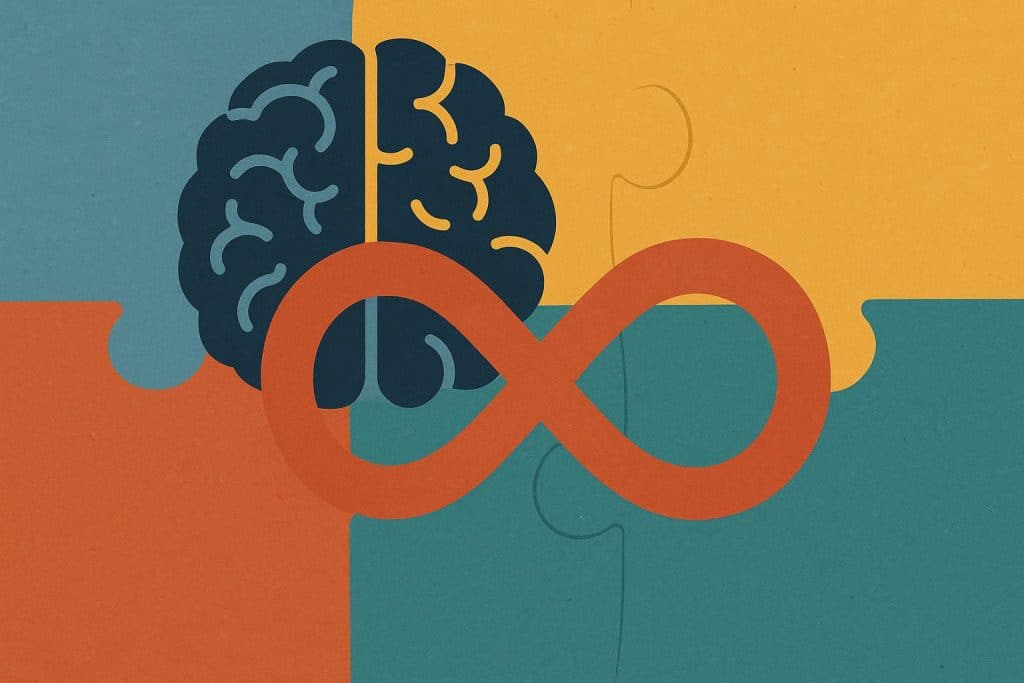
Neurodivergence is a broad term, referring to people whose brains work differently, including those with ADHD, dyslexia, and autism. Around 15 percent of people in the general population fall in this category, which is counterpoised by the term “neurotypical.” These two categories form the basis of neurodiversity, which encompasses the diverse ways in which human brains function and celebrates the fact that it takes many types of people to make an interesting, productive, and innovative world.
Within the neurodivergent sphere, autism spectrum disorder (ASD) is particularly broad, as it encompasses several attributes that were once categorized as singular disorders. These include Asperger’s disorder, autistic disorder, and pervasive developmental disorder not otherwise specified (PDD-NOS). With the 2013 update of the Diagnostic and Statistical Manual of Mental Disorders (DSM-5), these disorders were consolidated into ASD.
Mental health professionals are increasingly suggesting that links between ADHD and ASD should be recognized. These conditions share several behaviors and traits not typically included in current diagnostic criteria. Shared symptoms include impulsivity, hyperactivity, restlessness, and hyperfocus on interests. As a result, non-preferred tasks are often neglected.
The concept of hyperfocus involves fixating on an interesting activity or project for hours, without one’s attention waning. Becoming engrossed to the point of blocking out the rest of the world is common. Unless someone interrupts, normal relationships can fall by the wayside.
Some researchers believe this tendency results from low levels of dopamine in the brain’s frontal lobes. When there is such a deficiency, shifting gears can be hard. Boring but necessary tasks may get neglected. People with ADHD and ASD may persist in behaviors long after others would move on.
Interestingly, hyperfocus is not always a negative trait. Those who gain mastery over their inherent tendency can use hyperfocus as an asset in channeling focus on school- or work-related activities that simply need to get done. Well-known scientists, artists, and writers have utilized this unique ability to focus for long periods in forging successful careers. Unfortunately, in excess, such a tendency can destroy relationships and lead to “time blindness,” or an inability to prioritize competing tasks.
Other shared attributes between ADHD and autism include perfectionism, sensory hypersensitivity, and inflexibility. These individuals may find it difficult to deal with transitions and change. Some people engage in “masking,” or trying at all costs to act normal. In doing so, they suppress natural symptoms and behaviors, which can lead to burnout and self-esteem issues. A person with ADHD might say: “I appear extremely organized on the outside, but only because of the immense time and energy I spend putting everything together.”
Understanding the links between various types of neurodivergence is important, as it helps develop a more nuanced understanding of the multifaceted nature of complex conditions. It’s also important to understand gender differences in expression. The subtle, internalizing symptoms of girls with ADHD and autism may be misinterpreted and normalized because they are less obvious and disruptive to social settings. This does not make the issues less present or important to the person with the traits or symptoms.
About Leor Kweller
Leor Kweller is a New York attorney and educator with experience in contract administration, civil litigation, and secondary education. He has taught government, history, and business-related subjects while mentoring students as a grade advisor and dean. A graduate of New York Law School, Brooklyn College, and Queens College, he is admitted to the New York and New Jersey Bars. He maintains an interest in neurodivergence and parenting, alongside hobbies such as collecting sports cards and historical gaming.