

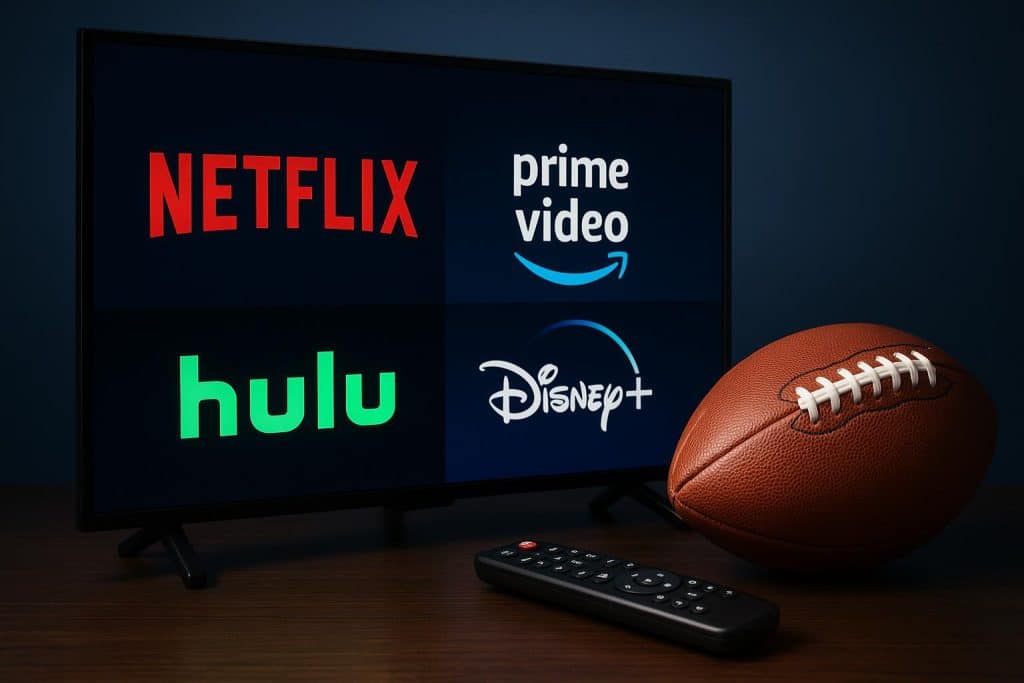
The fight for streaming dominance has moved into a new chapter. Live sports rights are now the most in-demand asset in digital entertainment, and the companies chasing them are ready to spend billions to get ahead. For Dutch consumers who are already dealing with a crowded subscription market, this battle is likely to show up in two places first: monthly costs and viewing habits.
Tech Giants Are Rewriting the Sports Broadcasting Rulebook
For years, live sports were the domain of traditional broadcasters. That setup is changing quickly. Amazon’s move into NFL Thursday Night Football on Amazon Prime showed that a tech platform could deliver a premium live sports experience to a massive audience, and that viewers were willing to follow. Once that happened, the rest of the industry had to rethink who really belongs at the negotiating table.
By 2026, the bidding picture looks even more intense. Several major rights packages are expected to come up for renewal or fresh auction:
- Formula 1 global streaming rights: Apple is reportedly watching closely
- UEFA Champions League: Disney+ and Amazon are both seen as serious contenders
- NBA international packages: increasingly attractive to platforms looking for global reach
- Eredivisie and Dutch football rights: local streaming services are facing growing pressure from international players
Each of these deals is about more than content. They are really about subscribers. Platforms are betting that sports fans will sign up and keep paying because missing a match is simply not an option.
The Economics Behind the Bidding Frenzy
Why are these companies spending so aggressively? The short answer is churn. Streaming platforms are constantly trying to stop subscribers from cancelling. Entertainment content such as films, drama series and documentaries can be watched quickly, after which some users move on. Sports behave differently. They create habitual viewing, week after week and season after season.
For Amazon, Disney+ and Netflix, live sports rights help fix a basic business problem. They give subscribers a reason to stay put instead of dipping in and out. A major rights deal may look expensive on paper, but it often makes sense if it reduces churn and keeps customers attached to the service for longer.
Netflix’s move into live sports has been steady rather than dramatic. Its deals with the WWE and Formula 1’s documentary series have already made sports feel more at home on the platform. A direct move for live rights in 2026 would feel like a natural next step. Disney+ already has major sports infrastructure through ESPN, and expanding that presence in Europe is a clear strategic goal.
This wider shift in how technology companies are shaping the future of digital entertainment goes well beyond sports. It points to a deeper change in how audiences consume media, and in how platforms compete for attention and spending.
Bundle Fatigue and the Dutch Consumer
Dutch households are already familiar with the “bundle fatigue” problem. It is the frustration that comes from paying for multiple subscriptions just to access everything you want to watch. If live sports rights end up scattered across three or four separate platforms, the cost of following football, motorsport and basketball could easily rise above what many families currently pay for a single cable package.
There is a similar pattern in other areas of digital entertainment. Consumers usually gravitate toward platforms that offer variety and value in one place, and companies have responded by broadening their libraries and improving the overall experience. Malta Casinos are one example from the wider online entertainment market. They have adapted to the same expectations around convenience and platform quality, giving Dutch users a range of choices within one destination instead of forcing them to jump between multiple sites.
For streaming, the answer may come through new bundles rather than a growing pile of stand-alone subscriptions. A combined Disney+/Hulu/ESPN offering is already live in the United States. Similar packages could eventually reach European markets as rights deals develop.
What 2026 Could Actually Look Like
Several outcomes are possible as the next big rights windows open. The most likely one is more fragmentation before the market starts to consolidate again. Platforms will keep outbidding one another for prestige packages, prices will keep climbing, and consumers will be left deciding which subscriptions are actually worth keeping.
Dutch viewers have shown a strong appetite for live sports. Football and motorsport regularly produce some of the highest engagement figures in the Netherlands, which makes the Dutch market an important battleground for platforms trying to strengthen their foothold in Europe.
The streaming price war is not something that is still coming. It is already underway. Live sports are driving it, and the deals made in 2026 will shape the digital entertainment landscape for years to come.