

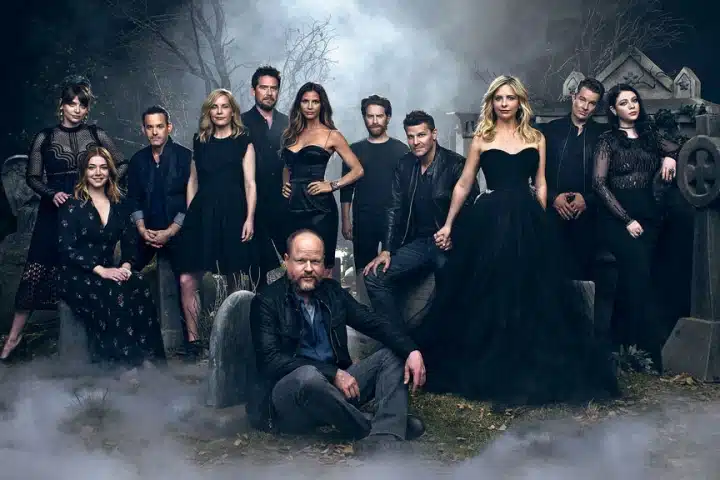
Since Sarah Michelle Gellar first dusted a vamp in 1997, fans have craved a return to Sunnydale, yet recent reports confirm Hulu has halted Buffy the Vampire Slayer revival plans. Reviving a classic is like adding a modern floor to a historic house foundation; if the new structure threatens the original integrity, construction stops. This “stop-work order” leaves the proposed Hulu original series stuck in development hell, proving that even slayers struggle against industry red tape (BTVS Vampires).
BTVS Vampires: The Hidden Barriers of ‘Development Hell’: Why Disney and Fox Matter
The cancellation stems from a place potentially darker than any vampire nest: “Development Hell.” In Hollywood, this term describes a project where the engine is running—writers are drafting scripts and producers are meeting—but the wheels never catch enough traction to move forward. This purgatory often traps valuable Intellectual Property (IP), the industry term for the legal ownership of a franchise’s characters and universe. Think of IP as the blueprint for a house; even if you have a builder ready to work, you cannot break ground if the owners of the blueprint can’t agree on the design.
Ownership issues became even knottier following the impact of the Disney acquisition on the Buffy franchise. While Hulu serves as the streaming platform, the actual production rights belong to 20th Television, a studio now under the Disney umbrella. Much like the complex negotiations required to get Spider-Man into Marvel movies, navigating legacy contracts creates massive red tape. The studio faced three specific hurdles that halted production:
- Corporate priority shifts regarding which demographics to target.
- 20th Television ownership of supernatural dramas conflicting with Disney’s broader brand strategy.
- Creative stalemates where the updated vision failed to secure a final “greenlight.”
Beyond the Slayer: The Creative and Cultural Shifts That Stalled the Script
Showrunner Monica Owusu-Breen intended to modernize the franchise without erasing its history. Rather than simply hiring a new actress to play Buffy Summers, she proposed a format that highlights the benefits of a soft reboot over a remake. In this model, the events of the original show remain canon, but the story follows a new, diverse protagonist—similar to how Creed builds upon Rocky without replacing him. Owusu-Breen’s script details suggested a rich exploration of modern social issues, allowing the new series to stand on its own while respecting the legacy of the original series cast.
Even with a fresh concept, external factors complicated the production. The project faced significant headwinds due to the Joss Whedon controversy and the franchise’s future. Whedon, the original creator, faced public allegations of workplace misconduct from cast members in recent years, turning his involvement from a marketing asset into a PR liability. For a risk-averse studio like Disney, launching a show so closely tied to a controversial figure is dangerous, likely contributing to the decision to keep the stake in the heart of this revival.
BTVS Vampires: What’s Next for the Buffyverse: Where Fans Go From Here
While this specific project is paused, the timeline of Buffy the Vampire Slayer reboot attempts proves the franchise is resilient. Interestingly, Dolly Parton’s involvement via Sandollar Productions ensures powerful oversight remains behind the scenes. Until the next greenlight, use this guide to streaming rights to revisit Sunnydale:
- Where to Watch: Stream the full original series and the Angel spinoff on Hulu and Disney+.
- Production Note: Dolly Parton co-founded Sandollar Productions, the company holding the rights.