

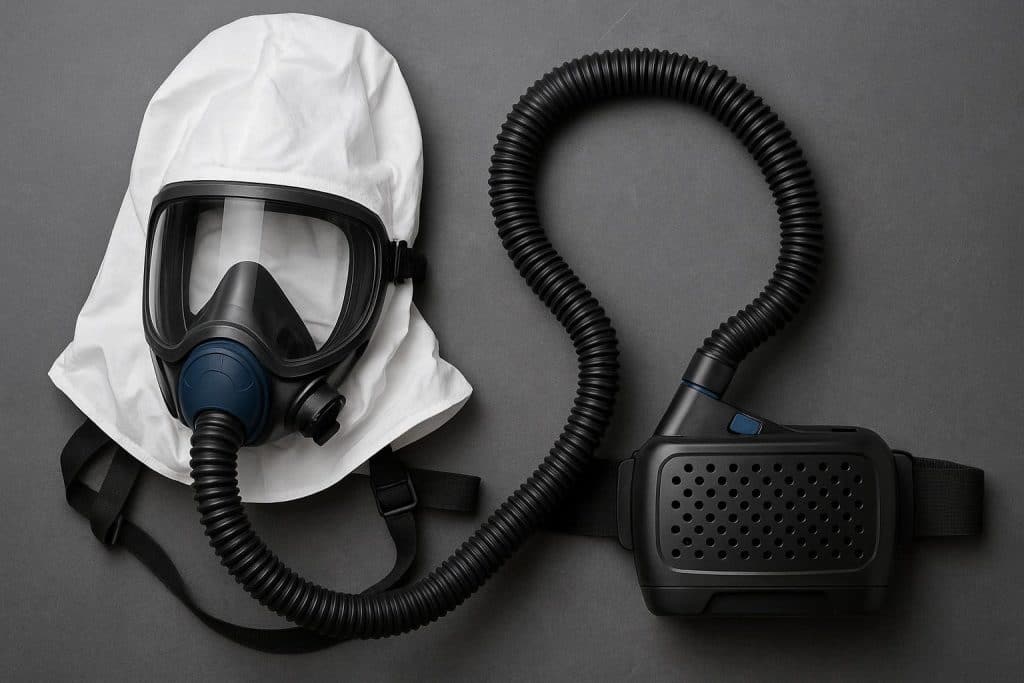
In many workplaces, the air we breathe can be hazardous. From dust and fumes to gases and vapours, a range of contaminants can pose a risk to respiratory health. That’s where respiratory protection comes in, and one of the most effective solutions available is the PAPR, or powered air-purifying respirator. But what exactly is a PAPR, and how does it work to keep you safe?
A PAPR is a type of respirator that uses a blower to force air through a filter or cartridge, providing clean air to the user. This positive pressure system ensures that contaminated air cannot leak into the facepiece, offering a higher level of protection compared to negative pressure respirators. Understanding the function of this equipment is crucial for maintaining a safe working environment. Let’s delve deeper into what makes this form of respiratory protective equipment so effective.
Understanding Powered Air-Purifying Respirators
Powered air-purifying respirators, or PAPRs, are a sophisticated piece of personal protective equipment (PPE) designed to safeguard workers in environments with hazardous airborne contaminants. Unlike simpler respirators that rely on the user’s own breathing to draw air through a filter, a PAPR utilises a powered blower to deliver clean, filtered air to the wearer. This makes breathing easier and provides a higher level of protection.
How Does a PAPR Work?
The core principle behind a PAPR is creating positive pressure inside the facepiece. Here’s a breakdown of the process:
- Air Intake: A blower unit, typically worn on the belt or back, draws in ambient air.
- Filtration: The air passes through a filter or cartridge that removes contaminants like dust, fumes, gases, or vapours. The type of filter used depends on the specific hazards present in the workplace.
- Air Delivery: The filtered air is then delivered to the facepiece via a breathing tube.
- Positive Pressure: The blower maintains a constant positive pressure inside the facepiece. This positive pressure ensures that even if there’s a slight leak around the edges of the facepiece, contaminated air cannot enter.
This positive pressure is the key difference between a PAPR and a negative pressure respirator. With a negative pressure respirator, the wearer has to exert effort to draw air through the filter, and any gaps in the seal can allow contaminated air to leak in. The positive pressure of a PAPR eliminates this risk, providing a much more reliable seal.
Components of a PAPR System
A typical PAPR system consists of several key components that work together to provide respiratory protection:
- Facepiece: This is the part of the respirator that covers the face and forms a seal. Facepieces can be full face masks, half masks, hoods, or helmets, depending on the application and the level of protection required.
- Blower Unit: The blower unit houses the motor and fan that draw air through the filter and deliver it to the facepiece. It also typically contains the battery that powers the system.
- Filter or Cartridge: The filter or cartridge removes contaminants from the air. Different types of filters are available for different hazards, such as particulate filters for dust and fumes, and chemical cartridges for gases and vapours.
- Breathing Tube: This tube connects the blower unit to the facepiece, delivering the filtered air.
- Battery: The battery powers the blower unit. Batteries can be rechargeable or disposable, and their run time varies depending on the model and the operating conditions.
Benefits of Using a PAPR
Choosing the right respiratory protection is essential for worker safety. A PAPR offers several advantages over other types of respirators, making it a preferred choice in many hazardous environments.
Superior Respiratory Protection
The positive pressure system of a PAPR provides a higher level of protection compared to negative pressure respirators. Because the blower forces clean air into the facepiece, it prevents contaminated air from leaking in, even if the seal isn’t perfect. This is particularly important in environments with high concentrations of airborne contaminants or where a tight face seal is difficult to achieve.
Increased Comfort
Breathing through a PAPR is generally easier and more comfortable than breathing through a negative pressure respirator. The blower provides a constant flow of clean air, reducing the strain on the wearer’s lungs. This can be especially beneficial for workers who need to wear respirators for extended periods or who have underlying respiratory conditions.
Improved Visibility
Some PAPR systems use hoods or helmets that provide a wider field of vision than traditional face masks. This can improve visibility and situational awareness, which is particularly important in tasks that require precision or involve moving machinery.
Reduced Fogging
The constant flow of air inside the facepiece helps to reduce fogging, which can be a common problem with other types of respirators. This ensures clear visibility and reduces the need for frequent adjustments.
Suitable for Workers with Facial Hair
Facial hair can interfere with the seal of a negative pressure respirator, reducing its effectiveness. PAPRs are less susceptible to this issue, as the positive pressure helps to maintain a seal even with some facial hair present. However, it’s still important to follow the manufacturer’s recommendations and ensure that the facepiece fits properly.
Applications of PAPR
PAPRs are used in a wide range of industries and applications where workers are exposed to hazardous airborne contaminants. Here are some common examples:
Healthcare
Healthcare workers often face exposure to infectious diseases and airborne pathogens. PAPRs are commonly used in hospitals, clinics, and laboratories to protect healthcare professionals from these hazards. They are particularly important during procedures that generate aerosols, such as intubation and bronchoscopy.
Manufacturing
Manufacturing environments can contain a variety of airborne contaminants, including dust, fumes, and vapours from welding, grinding, painting, and other processes. PAPRs are used to protect workers from these hazards and prevent respiratory illnesses.
Construction
Construction workers are often exposed to dust, silica, asbestos, and other hazardous materials. PAPRs are essential for protecting workers from these risks and preventing long-term health problems.
Agriculture
Agricultural workers may be exposed to pesticides, herbicides, fertilisers, and other chemicals. PAPRs are used to protect workers from these hazards and prevent respiratory irritation and poisoning.
Mining
Mining environments can contain high levels of dust, silica, and other hazardous particles. PAPRs are used to protect miners from these risks and prevent lung diseases like silicosis.
Choosing the Right PAPR
Selecting the appropriate PAPR for a specific application requires careful consideration of several factors. It’s not a one-size-fits-all solution. Here are some key points to keep in mind:
Identify the Hazards
The first step is to identify the specific airborne contaminants that workers will be exposed to. This information is crucial for selecting the appropriate filter or cartridge for the PAPR.
Consider the Concentration Levels
The concentration of contaminants in the air will also affect the choice of PAPR. Higher concentrations may require a PAPR with a higher protection factor.
Assess the Work Environment
The work environment itself can influence the selection of PAPR. Factors to consider include temperature, humidity, physical demands of the job, and the need for communication.
Ensure Proper Fit
A proper fit is essential for any respirator to be effective. The facepiece must form a tight seal against the wearer’s face to prevent contaminated air from leaking in. Fit testing should be conducted to ensure that the PAPR fits properly and provides adequate protection.
Check for Approvals and Certifications
Make sure that the PAPR meets relevant standards and certifications. In Australia, respirators must be approved and certified to AS/NZS 1716:2012, the standard for respiratory protective devices.
Maintenance and Care of PAPRs
Proper maintenance and care are essential for ensuring that a PAPR continues to provide effective respiratory protection. Regular cleaning, inspection, and filter replacement are crucial.
Cleaning
The facepiece and breathing tube should be cleaned regularly with a mild detergent and water. Follow the manufacturer’s instructions for cleaning and disinfecting the PAPR.
Inspection
Inspect the PAPR before each use for any signs of damage or wear. Check the facepiece for cracks or tears, the breathing tube for kinks or punctures, and the blower unit for proper operation.
Filter Replacement
Replace the filter or cartridge according to the manufacturer’s recommendations. The frequency of replacement will depend on the type of filter and the concentration of contaminants in the air.
Battery Care
Follow the manufacturer’s instructions for charging and storing the battery. Rechargeable batteries should be fully charged before each use and stored in a cool, dry place.
Frequently Asked Questions
Here are some common questions about PAPRs:
What is the difference between a PAPR and a respirator?
A PAPR uses a blower to force air through a filter, while a standard respirator relies on the user’s breathing to draw air through the filter.
Are PAPRs suitable for all types of airborne contaminants?
No, the filter or cartridge must be specifically designed for the type of contaminant present.
How often should I replace the filter on my PAPR?
Follow the manufacturer’s recommendations, as the frequency depends on the type of filter and the concentration of contaminants.
Can I use a PAPR if I have a beard?
PAPRs are more tolerant of facial hair than standard respirators, but a proper fit is still essential. Consider a PAPR with a loose-fitting hood.
Where can I purchase PAPRs?
You can purchase papr from reputable safety equipment suppliers.