

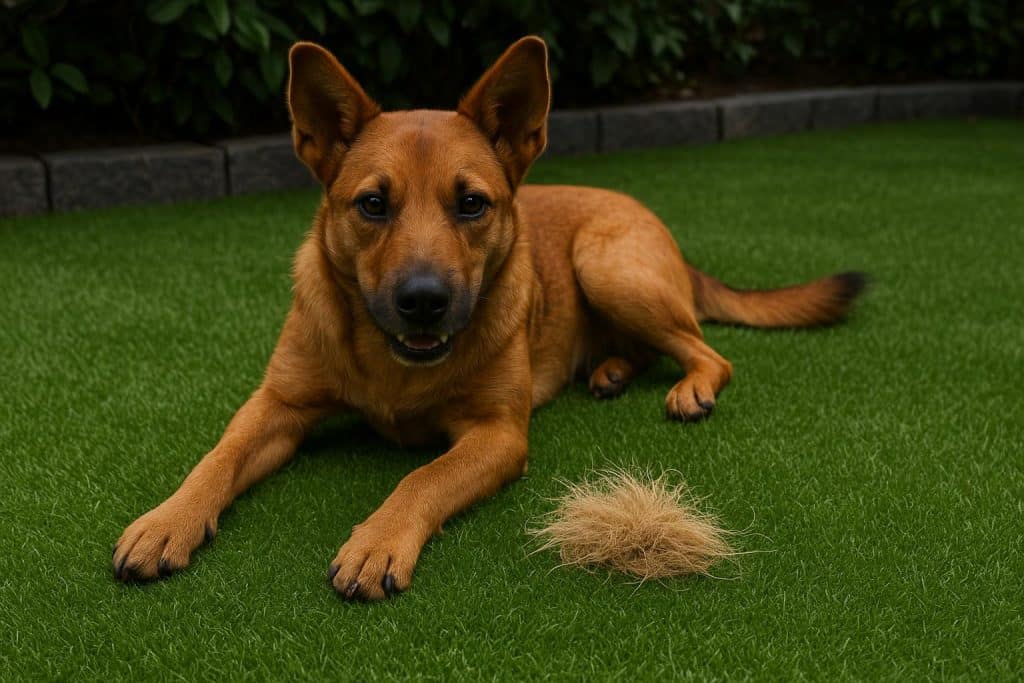
Artificial turf endures the wear and tear of daily pet activities such as digging, urination, and cleanup. A suitable system needs durable fibers, reliable drainage, and a maintenance routine that matches the number of dogs using it.
In Las Vegas, heat and water restrictions add pressure to natural lawns, while pet turf keeps the surface usable throughout the year. The answer depends on installation quality and daily care, which become easier to assess through four practical factors.
What Daily Pet Use Does to Turf
Pet owners evaluating dog turf installation in Las Vegas should look beyond blade color. A dog run receives concentrated traffic, repeated bathroom use, and digging pressure near its edges.
Proper preparation, secure seams, effective drainage, and pet-safe materials determine how the surface handles that routine. A local installation plan also accounts for Las Vegas heat and the yard’s intended use.
Artificial turf handles repeated paw traffic because its backing and blade profile support frequent activity. Dogs can sprint across the same area without creating muddy tracks or bare patches found on natural grass.
The turf’s infill also affects how the surface performs under daily activity. A suitable infill helps support the blades, reduce flattening, and keep the area more comfortable for dogs. Regular brushing restores the pile in places that receive concentrated traffic.
Digging still requires attention. Dogs that dig near borders can disturb any surface, so installers should secure the edges and address likely digging spots during preparation.
Drainage Controls Odor and Mess
Urine must pass through the turf instead of sitting on top. A properly prepared base moves liquid away from the surface, keeping the dog run cleaner after repeated use.
Solid waste requires prompt removal. After pickup, regular rinsing clears remaining residue and allows urine to drain through the system.
Las Vegas weather also affects cleanup habits. Dry conditions do not replace rinsing, because concentrated urine can create odors when the surface receives too little water.
Drainage problems often appear first in high-use areas. Standing water, persistent odors, or slow drying indicate that the surface needs inspection. Owners should check nearby drains and keep leaves, soil, and other debris from blocking water flow.
Maintenance Stays Manageable
Pet turf removes mowing, fertilizing, reseeding, and patching from the weekly routine. The surface still requires waste removal and rinsing.
A simple schedule works for many dog runs. Owners should remove solid waste promptly, rinse high-use areas regularly, and arrange periodic spraying when odors require additional treatment.
Artificial turf also avoids brown patches caused by repeated bathroom use. Even in areas where dogs frequent the same spot multiple times a day, the surface maintains its uniform appearance.
Brushing helps prevent flattened fibers around gates, water bowls, and favorite resting areas. A stiff, nonmetal brush can lift the blades without damaging the backing. Owners should also remove fallen leaves and other debris before they collect near drainage points.
Installation Determines Service Life
The base beneath the turf matters as much as the visible grass. Installers must prepare a stable surface that supports drainage and resists shifting under repeated running and digging.
Seams and edges deserve close inspection before the project begins. Loose joins create places where dogs can pull at the turf, while unsecured edges can lift under heavy activity.
Material selection also affects comfort and use. Pet turf should provide a surface where dogs can walk, play, and relieve themselves without exposure to unsafe materials.
The installation area should also receive proper grading. A slight slope directs liquid away from the dog run instead of allowing it to collect beneath the backing. This step protects the surface from saturated spots and helps simplify routine cleaning.
Why Las Vegas Conditions Favor Pet Turf
Natural grass demands regular water during hot, dry summers. Artificial turf eliminates irrigation for the dog run, simplifying care in a region where water use matters.
Heat does not prevent a properly installed artificial surface from supporting activity throughout the year. Dogs can use the area after weather changes without tracking mud into the house.
Artificial turf also reduces maintenance costs tied to water, fertilizer, and lawn repairs. Owners should still inspect the surface and drainage path after heavy use or unusual weather.
Shade can improve comfort during the hottest part of the day. Trees, patio covers, and planned rest areas give pets a cooler place to pause after exercise. Owners should also provide drinking water, since turf does not remove the need for basic heat-safety practices.
Conclusion
Artificial turf survives daily pet use when the installation includes a prepared base, secure edges, suitable materials, and working drainage. Dogs can run, play, and return to the same bathroom areas without creating muddy tracks or bare patches.
Owners must remove waste promptly and rinse the surface regularly. Before choosing a system, assess the number of pets, traffic pattern, drainage conditions, and likely digging areas with an experienced local installer.