

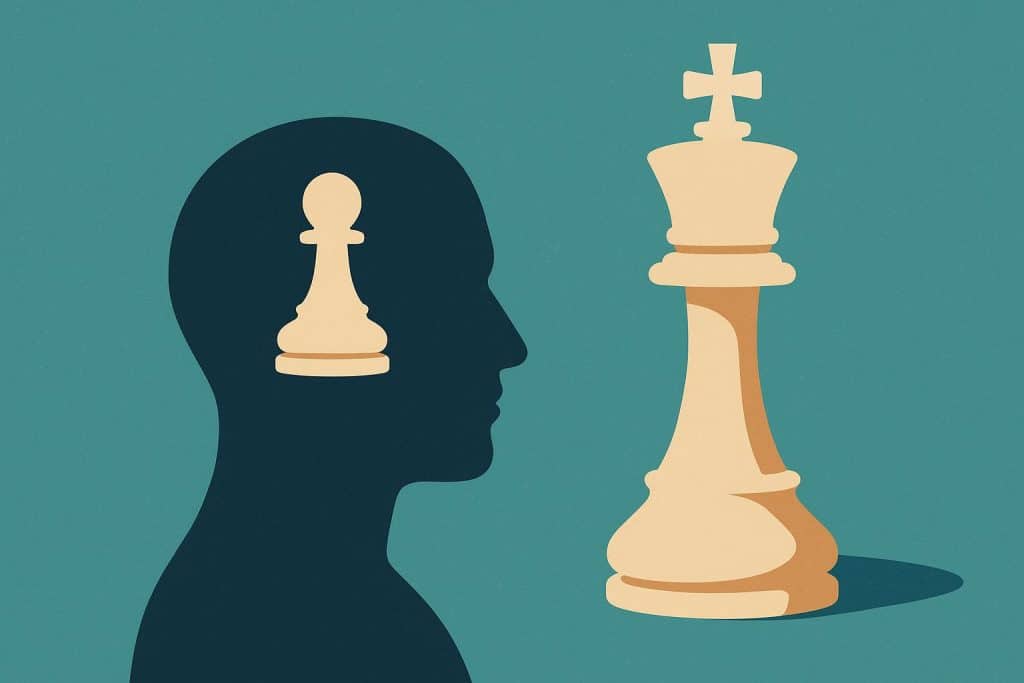
Managers and executives seldom alter their leadership styles based on data alone. Change begins when reflection becomes specific, feedback becomes direct, and new behaviors receive repeated practice.
One-on-one coaching creates that structure around the decisions, conversations, and pressures that shape executive performance. It connects personal development with team results, so progress remains visible in daily work.
The answer becomes clearer by examining what private coaching changes before colleagues and direct reports see the difference.
Why One-on-One Coaching Changes Leadership
Executives who enter coaching with a defined goal can benefit from learning in a private setting for examining decisions, relationships, and recurring reactions. In executive coaching programs, a coach connects reflection with weekly goals, direct feedback, and work-related results. That rhythm turns broad intentions into visible actions, such as clearer delegation, better listening, or more disciplined decisions.
A coach also sees patterns that busy executives often miss. A leader might describe a communication problem as a team issue, while repeated conversations reveal unclear expectations or delayed feedback. Once the behavior becomes visible, the executive can choose a different response and track whether that change improves team performance.
What Changes In Practice
Self-Awareness Becomes Palpable
Self-awareness matters when it changes conduct. Coaching examines how an executive responds under pressure, handles disagreement, assigns responsibility, and receives information. The coach then connects those behaviors with their effects on trust, accountability, and execution.
Weekly goals also make progress concrete. An executive might commit to asking one additional question before deciding, giving feedback within a defined period, or clarifying ownership during meetings. The next session reviews what happened, what the team experienced, and which response the leader will adjust.
Behavior Meets Business Results
Effective coaching stays close to the executive’s actual role. The topics covered in sessions can range from recent decisions to strained relationships, team transitions, or concerns about performance. This focus keeps leadership development connected to business demands instead of separating theory from daily work.
The stated approach uses conversations, shadowing, and meetings to connect individual growth with group performance. It also follows the BE, DO, HAVE model, which places internal development before visible results. That sequence gives executives a framework for changing habits instead of applying isolated techniques.
How Coaching Creates Accountability
Accountability works when the executive owns the goal and the coach tracks the commitment. Weekly checkpoints create a regular opportunity to examine progress, identify obstacles, and complete unfinished actions. Direct communication typically takes one to two hours each week, with additional messages or email support every two weeks.
The coach does not manage the executive’s calendar or make decisions on the executive’s behalf. Coaching creates a disciplined space for examining choices and testing new behavior. That distinction matters because lasting leadership change requires personal responsibility, rather than dependence on constant instruction.
Coaching also addresses urgent situations when a major opportunity or crisis arises. The executive receives support while the issue is active, then returns to the agreed development goals. This connection between immediate pressure and long-term growth helps prevent old habits from taking control during difficult moments.
Why The Group Still Matters
Executive behavior affects the leadership group around it. A leader who improves listening changes the quality of information reaching the senior team. When a leader clarifies accountability, confusion about ownership and follow-through is reduced.
Individual coaching therefore examines how the executive functions within the organization’s leadership structure. Personal growth connects to team dynamics, organizational goals, and the performance culture that leaders create through their daily choices.
The benefit extends beyond the coached executive. By modeling effective coaching methods, leaders learn to guide team members more effectively. They can ask better questions, set clearer goals, and support responsibility without taking over every decision.
What Executives Should Expect
A useful coaching relationship begins with defined objectives and honest discussion. The executive and coach establish what needs to change, how progress will appear, and which work situations will provide evidence. Goals should relate to observable behavior and measurable work results.
Coaching can take place face to face or by phone, with virtual sessions supporting executives who need location flexibility. The amount of time depends on the leader’s needs, timing, and the stakes involved. The process respects a full executive schedule while maintaining regular contact.
Executives should expect challenge, confidentiality, and follow-through. Coaching does not replace judgment. It improves the quality of reflection behind that judgment, giving leaders a clearer basis for decisions, conversations, and action.
Conclusion
One-on-one coaching changes executive leadership when it connects self-awareness with repeated action and measurable work results. The process gives leaders a private place to examine patterns, set weekly goals, and test different responses under real pressure. Its value becomes visible through clearer communication, better accountability, and more effective team relationships.
An executive considering coaching should begin by naming one behavior that limits performance, then define the workplace evidence that will show progress.