

Renovation budgets always come down to trade-offs, and heating is one area where more Australian homeowners are asking whether the upfront cost of underfloor heating actually pays off in day-to-day comfort. For bathroom and living area renovations in particular, it has shifted from a luxury add-on to a genuinely practical option worth comparing against ducted or reverse-cycle systems before the budget is locked in.
This article looks at where underfloor heating tends to make the biggest difference, what it costs to run compared with other systems, and the practical timing considerations that should shape your decision before tradespeople are booked.
How Underfloor Heating Actually Works
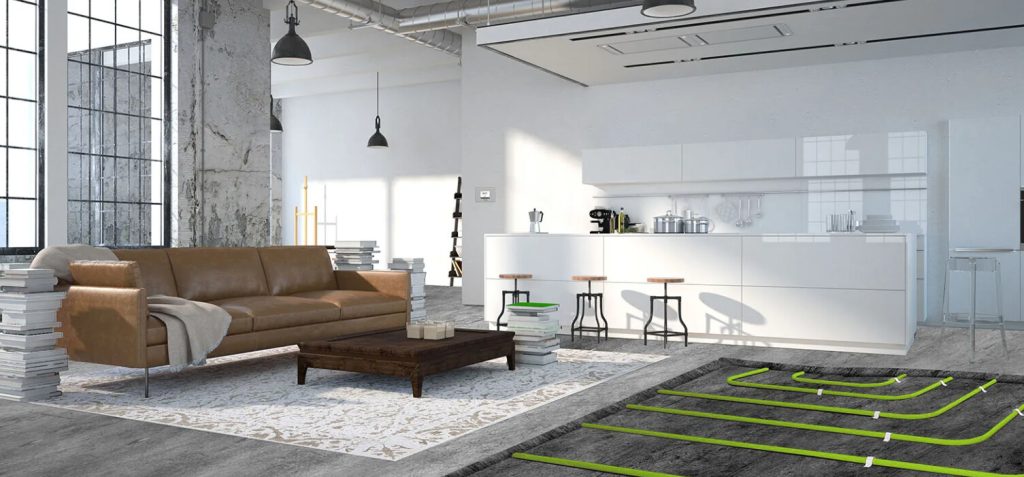
Most residential systems fall into one of two categories: electric cabling laid beneath the floor finish, or hydronic systems that circulate warm water through pipework connected to a boiler or heat pump. Electric systems heat up faster and suit smaller, single-room installations, while hydronic systems are generally more efficient for heating an entire home but involve a more substantial upfront installation.
Both approaches rely on the floor itself acting as a large, even radiator, which is why the choice of floor finish and the insulation beneath the slab matter just as much as the heating element chosen.
Where It Makes the Biggest Difference
Cold tiled floors are the classic complaint that pushes people towards underfloor heating, and bathrooms remain the single most common room for a retrofit. Living areas with polished concrete or tiled slabs are a close second, particularly in homes where those floors stay noticeably cooler than carpeted bedrooms through winter.
Bathrooms and Ensuites Benefit Most
A bathroom is a small, enclosed space, which means even a modest electric system can bring the whole room up to a comfortable temperature quickly, without the draught that a wall-mounted heater or heat lamp can create. It also removes condensation issues that come with a cold tiled surface in a steamy room.
- Electric systems: lower upfront cost, well suited to single-room retrofits like bathrooms and ensuites.
- Hydronic systems: more efficient for whole-home heating, but a larger investment to install.
- Zoned control: heat only the rooms in use at any given time, which keeps running costs down.
- Floor finish compatibility: tile, stone and polished concrete conduct heat more effectively than thick carpet.
Running Costs Compared to Other Heating
Underfloor heating is generally cheaper to run than ducted gas or panel heaters for the same space, largely because the heat is distributed evenly at floor level rather than needing to rise and circulate from a single outlet. Hydronic systems paired with an efficient heat pump tend to offer the lowest ongoing running costs of any common heating option, though the comparison depends heavily on your home’s insulation and the local electricity or gas tariff.
Reverse-cycle air conditioning remains a strong option for households wanting both heating and cooling from one system, so the right choice often comes down to whether cooling is also a priority for the same space.
Renovation Timing Matters
The ideal time to install underfloor heating is before the new floor finish goes down, since the heating element or pipework needs to sit beneath it. This makes a full renovation the natural opportunity, rather than trying to retrofit a system under an existing floor later, which is possible but considerably more disruptive and costly.
If a renovation is already on the cards for a bathroom, kitchen or living area, it is worth raising underfloor heating with your builder or renovator early, even if you are still undecided, so the floor build-up can accommodate it without redesign.
Getting the System Sized Correctly
An undersized or poorly specified system is the most common reason people end up disappointed with underfloor heating, so getting a proper assessment of room size, insulation and floor finish before installation is worth the time. A qualified installer can also advise on whether electric or hydronic suits your specific renovation better, rather than defaulting to whichever is cheaper to quote.
Common Myths About Underfloor Heating
A few persistent myths tend to put homeowners off before they have properly compared the numbers. The idea that underfloor heating is always prohibitively expensive to run does not hold up once you factor in zoned control and the efficiency of a modern hydronic system paired with a heat pump, which can be cheaper to run than ducted gas in many homes.
Another common misconception is that underfloor heating only works under tile or stone. While these finishes conduct heat most efficiently, many electric and hydronic systems are also compatible with engineered timber and laminate, provided the product and installation are matched to the manufacturer’s specifications for that flooring type.
Working With an Experienced Local Installer
Because underfloor heating performance depends so heavily on correct sizing, insulation and installation quality, the difference between a well-executed system and a disappointing one usually comes down to the installer rather than the brand of equipment used. Asking for references from similar renovations, and confirming the installer’s experience with your specific floor finish, is worth the extra time before signing off on a quote.
Final Thoughts
Underfloor heating is not the right fit for every renovation, but for cold-floor problem areas like bathrooms and open-plan living spaces, it consistently delivers a noticeable comfort improvement that most homeowners say was worth the investment once it is in. The key is planning it in early, choosing the system that matches the room, and getting a proper quote rather than a rough estimate.
If you are weighing it up for an upcoming renovation, getting advice from an experienced installer before flooring decisions are finalised will give you a much clearer picture of real costs and outcomes for your specific home.