

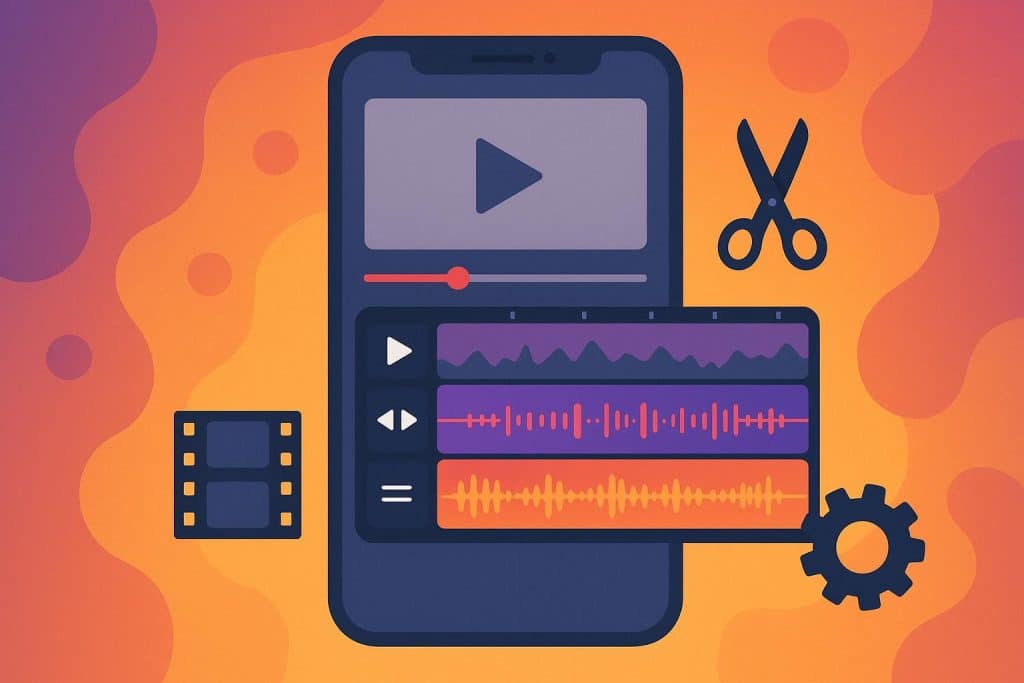
Mobile devices serve as the primary workstation for millions of creative minds. The shift from bulky desktops to handheld screens allows for a level of speed that was once impossible. It is about capturing a moment and finishing the project before that moment fades away. This transition fundamentally changes how content reaches an audience and how stories get told.
Why Speed Matters for Content Creation
High-quality production no longer requires a stationary office setup. A versatile video maker provides the ability to assemble professional clips during a shoot. This immediate access (which is a huge relief for anyone on a tight deadline) means that the creative process remains fluid.
You can trim, cut, and adjust scenes without waiting for a file transfer to a computer. It is much easier to keep the creative energy high when you do not have to stop and change locations.
Staying Ahead of Social Media Trends
Social media platforms prioritize fresh content that reacts to what is happening right now. Waiting to edit until the following morning often means missing out on a trending topic. Mobile workflows give you the edge by letting you upload instantly. It is pretty easy to maintain a consistent posting schedule with a video editing tool.
- Record live reactions at industry events.
- Respond to audience comments with quick clips.
- Share behind-the-scenes looks without a delay.
Professional Features Without the Bulk
Many assume that a smaller screen means fewer features. Software developers have focused heavily on making these interfaces intuitive for everyone. For those using Apple devices, the Clideo video editor on the App Store offers a consistent experience across different hardware.
It provides precise control over audio levels as well as text placement with simple gestures. It is surprising how much one can accomplish with a few taps.
Why Accessibility Changes Everything?
Accessibility is a key part of the modern workflow. A person no longer needs a thousand-dollar computer to produce something that looks expensive. This democratization of technology allows more voices to be heard in the digital space.
It is a massive shift for student creators and small business owners who are starting from scratch. They can compete with larger brands by using the tools they already own. Sites like Statista show that mobile traffic continues to grow every year, making this approach very logical.
Optimizing for Vertical Viewing Habits
Most people consume media with phones in a vertical position. Mobile-first tools make it simple to edit in the correct aspect ratio from the start. It saves time compared to cropping horizontal footage later. This native approach helps ensure that the final product looks perfect on every smartphone screen. You do not have to worry about black bars or awkward framing.
- One-tap aspect ratio changes for different apps.
- Direct integration with cloud storage services.
- Simple color filters and text overlays.
Portability and Creative Freedom
Creativity does not always happen at a desk. Sometimes the best ideas arrive on a train or in a park. Having the tools ready to go means those ideas do not get lost. You can start a project on a whim and have it finished by the time you get home. It removes the friction that often stops people from starting a new project. We find that the best stories are often the ones captured in the middle of real life.
Conclusion
Adopting a mobile-first mindset helps creators stay relevant and productive. It removes the barriers between having an idea and sharing it. Finding a reliable video maker ensures that the quality of the work never suffers. The ability to create anywhere is a significant advantage for anyone building a digital brand.