

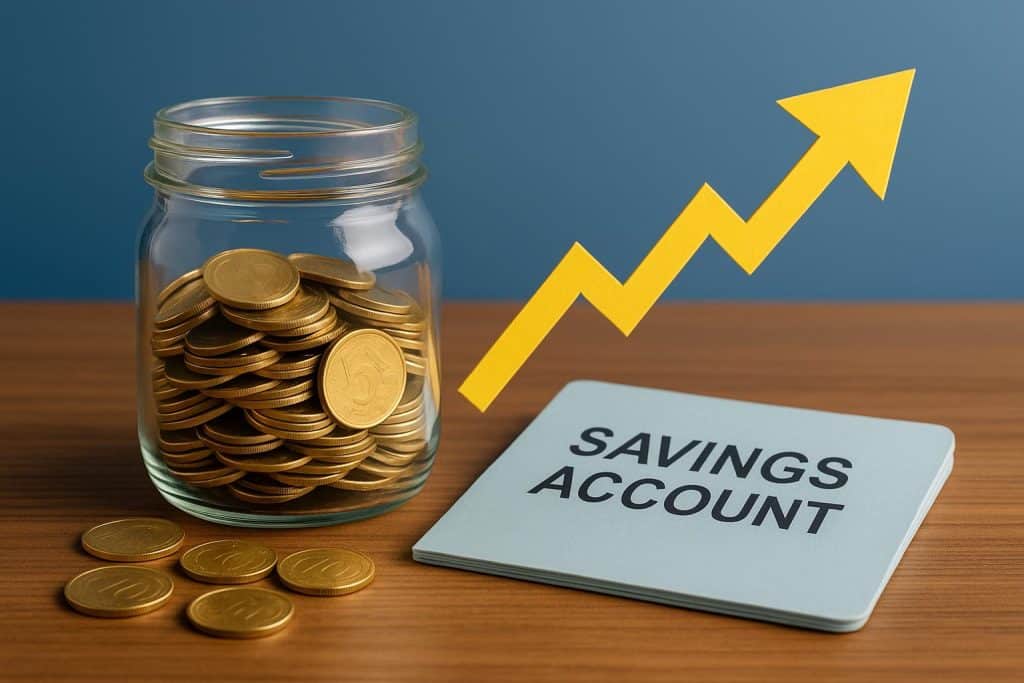
It may seem that opening a savings account is just a simple banking step; however, this decision can determine how efficiently daily money is managed. Many people look at the rate offered, assume higher is always better, and move on. In reality, interest is important, but it is only one part of a larger picture that affects how useful the account will be in everyday life.
This article explains how interest rates affect a savings account and other practical factors to consider before choosing where to keep your money.
Key Checks Before Opening a Savings Account
During online bank account opening, the interest rate displayed on screen is what catches immediate attention. But before you arrive at that point, it helps to be clear about how the account will be used. Is it mainly for salary credits, monthly spending, or building an emergency fund that should stay untouched most of the time.
Some sensible checks before selecting an account include:
- Minimum balance requirements and what happens if the balance falls below that level
- Charges for services such as ATM usage, cheque books and branch visits
- Digital banking experience for payments, transfers, and tracking spending
- Ease of accessing funds in a genuine emergency without heavy penalties
- Availability of customer support when something goes wrong
These elements do not diminish the importance of the interest rate. Still, they show that a slightly lower rate on a flexible, low-cost account may suit many better than a higher rate that comes with strict conditions. IDFC FIRST Bank offers zero-fee banking on essential savings account services, reducing charges while keeping the features easy to use.
Why Savings Account Interest Rates Matter
Savings account interest rates determine how much the bank pays for keeping money in the account. Over time, even small differences in the rate can affect the growth of the balance, especially when interest is calculated on daily or monthly balances and credited on a regular basis.
A few points are useful to keep in mind:
- Higher rates can help offset inflation to some extent, though they may not fully keep pace with rising prices.
- Interest is usually calculated on the end-of-day or average balance, so frequent withdrawals can reduce the effective benefit.
- Some accounts offer different slabs, with higher balances earning a different rate than lower balances.
Interest rate changes could be a result of different economic conditions and policy decisions as well, which implies that the initial rate may not be the same throughout the account’s life. Realising that rates are subject to change is one of the reasons why customers check their accounts from time to time instead of making a one-time decision.
Looking Beyond the Headline Rate
Although interest is central, focusing only on that number can be misleading. The real benefit of a savings account depends on how it fits into everyday financial habits. For example, an account that offers a slightly lower rate but no monthly charges, good digital tools and simple terms may lead to better overall outcomes than an account that offers a higher rate on paper but has multiple restrictions.
When comparing accounts, it may help to:
- Read the schedule of charges along with the interest table
- Check how often interest is credited and whether there are conditions for earning higher rates
- Consider how often money needs to be withdrawn or transferred
- Think about the safety, reputation and service quality of the bank
This approach treats interest as one important factor within a wider framework, rather than the sole deciding factor.
How to Approach the Decision
A practical way to choose on a savings account is to start with the purpose of the funds, then shortlist banks and accounts that meet that purpose, and compare interest rates only within that shortlist. This keeps the focus on suitability rather than on chasing the highest number.
Conclusion
For many customers in India, it may be helpful to compare offerings from a few trusted institutions, review their savings account interest rates, and weigh them against fees, flexibility and service. Including banks such as IDFC FIRST Bank in this evaluation can ensure the chosen account matches both financial goals and day-to-day needs.