

| Primary Keyword | Thyroid treatment 9,900 Best Health Insurance In India Mediclaim Policy | 2 2 3 |
Hypothyroidism, a condition characterised by an underactive thyroid gland, is a significant health concern globally, including in India. The thyroid gland in the neck plays a pivotal role in regulating the body’s metabolism, energy production, and hormonal balance. When it fails to produce adequate hormones, the effects can ripple across various bodily systems, leading to subtle but progressively impactful symptoms.
What is Hypothyroidism?
Hypothyroidism occurs when the thyroid gland fails to produce sufficient amounts of the hormones triiodothyronine (T3) and thyroxine (T4). These hormones regulate metabolism, energy levels, and other vital functions. The deficiency slows down bodily processes, manifesting in various physical, emotional, and cognitive symptoms.
Common Causes of Hypothyroidism
The most common cause of hypothyroidism is Hashimoto’s thyroiditis, an autoimmune disorder where the body’s immune system attacks the thyroid gland. Other causes include iodine deficiency, certain medications, thyroid surgery, and radiation therapy. Understanding the root cause is crucial for effective thyroid treatment.
Symptoms of Hypothyroidism
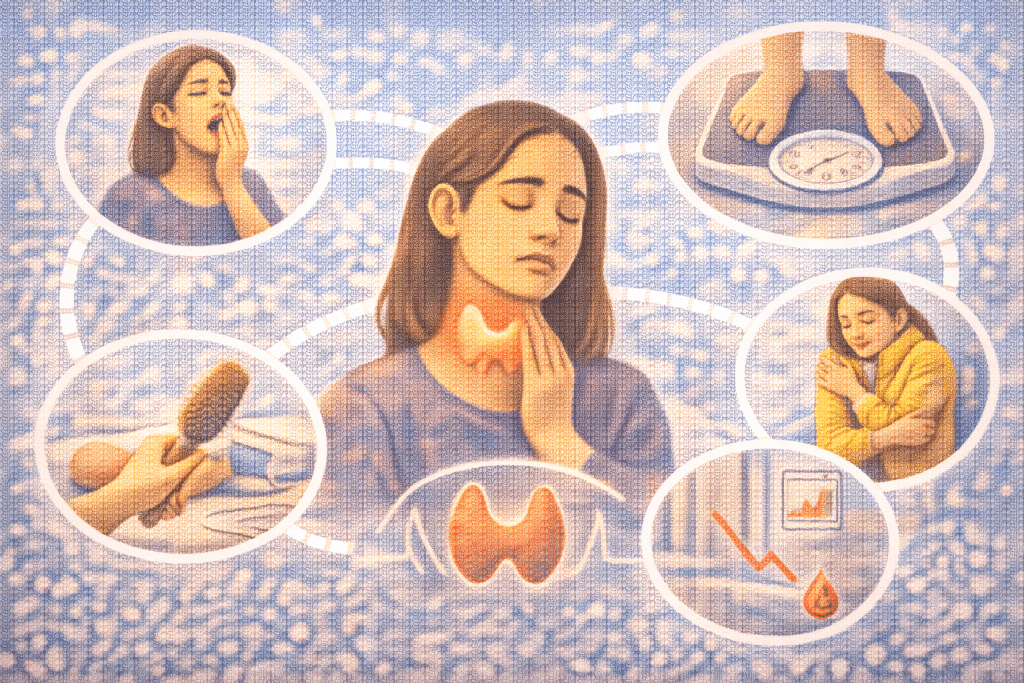
Hypothyroidism symptoms can vary in severity and progression, often mimicking other conditions. Understanding these symptoms is necessary to ensure you undergo the right thyroid treatment. Here’s a detailed look at its common manifestations:
1. Physical Symptoms
The body’s slowed metabolism primarily affects physical functioning:
- Persistent tiredness and a lack of energy are hallmark signs of hypothyroidism, making even routine tasks exhausting.
- An underactive thyroid slows calorie burning, leading to unexplained weight gain, despite regular eating habits.
- Due to reduced heat production in the body, individuals may feel unusually cold even in warm weather.
- Dry, flaky skin, hair thinning or loss, and brittle nails are common due to impaired cell regeneration.
2. Emotional and Cognitive Symptoms
Hypothyroidism can significantly impact mental health and cognitive functioning:
- A low level of thyroid hormones can contribute to feelings of sadness, hopelessness, and loss of interest in activities.
- Patients often report difficulty concentrating, forgetfulness, and slowed thinking.
- Mood swings and heightened sensitivity to stress may also occur.
3. Hormonal and Reproductive Symptoms
For women, the hormonal imbalances caused by hypothyroidism can lead to:
- Heavy, prolonged, or irregular periods are common.
- Low thyroid hormone levels can disrupt ovulation and impair fertility.
- Untreated hypothyroidism during pregnancy can increase the risk of miscarriage, preterm birth, and developmental delays in the baby.
In men, hypothyroidism may result in reduced libido, erectile dysfunction, and decreased sperm production.
4. Cardiovascular and Digestive Symptoms
An underactive thyroid affects heart health and digestion:
- Hypothyroidism can lead to bradycardia or a slow heart rate, reducing the efficiency of blood circulation.
- The condition often raises LDL (bad cholesterol), increasing the risk of heart disease.
- Reduced digestive motility often causes persistent constipation.
Importance of Timely Diagnosis
The subtle nature of hypothyroidism symptoms often leads to delayed diagnosis. Left untreated, the condition can result in severe complications such as:
- Goitre: Enlargement of the thyroid gland due to overcompensation.
- Myxedema: A rare but life-threatening condition characterised by extreme hypothyroidism symptoms.
- Heart Problems: High cholesterol and slow heart rate can strain cardiovascular health.
Early detection and treatment are crucial to managing the condition effectively. Regular thyroid function tests (TFTs) can help identify imbalances and ensure timely intervention.
Treatment Options and Lifestyle Changes
Medical Treatments
Hypothyroidism is primarily treated through hormone replacement therapy. The most common medication is levothyroxine, a synthetic hormone that compensates for the deficiency. Regular monitoring is essential to adjust dosages based on individual needs.
Lifestyle Modifications
Alongside medication, lifestyle changes can help manage hypothyroidism:
- Balanced Diet: Consuming iodine-rich foods like seafood, dairy, and iodised salt is beneficial. However, avoid goitrogens (found in cruciferous vegetables like cabbage) that can interfere with thyroid function.
- Exercise: Regular physical activity helps boost metabolism and improve energy levels.
- Stress Management: Techniques like yoga and meditation can reduce stress, often exacerbating thyroid symptoms.
Role of Insurance in Managing Hypothyroidism
Living with hypothyroidism often involves recurring costs, including diagnostic tests, consultations, and medications. Comprehensive coverage through the best health insurance in India or a mediclaim policy can alleviate the financial burden.
Insurance coverage plays a vital role in managing health conditions like hypothyroidism, offering financial security and access to timely medical care. One key benefit is cashless hospitalisation, where policyholders can receive treatment for thyroid-related complications without worrying about upfront payments. This facility is particularly helpful during emergencies or for scheduled procedures, ensuring a stress-free experience.
Additionally, many insurance plans include Outpatient Department (OPD) benefits, which cover consultations with specialists and diagnostic tests essential for monitoring thyroid health. Regular testing is crucial for hypothyroidism management, and OPD coverage helps mitigate the financial burden of repeated medical visits.
Another significant feature is the availability of critical illness add-ons, which provide coverage for severe complications arising from hypothyroidism, such as cardiovascular diseases. These add-ons offer a financial safety net, ensuring that you can focus on recovery without the stress of escalating medical bills.
For families, comprehensive family health insurance plans are a great option. These policies cover all family members under a single plan, safeguarding against unexpected medical expenses. Such plans ensure peace of mind, knowing that every member is protected against the potential costs of managing chronic conditions like hypothyroidism.
Reliable insurance providers like Niva Bupa Health Insurance stand out by offering extensive coverage and customised policies that cater to individual and family needs. From cashless hospitalisation and OPD benefits to critical illness add-ons, their plans make healthcare accessible and stress-free, empowering you to prioritise your health and well-being effectively.
Conclusion
Hypothyroidism is a manageable condition when identified and treated early. While its symptoms can disrupt physical, emotional, and mental well-being, a combination of medical treatment, lifestyle adjustments, and adequate health insurance coverage can help individuals lead healthy lives.
Investing in a mediclaim policy or a comprehensive family health insurance plan ensures financial security and facilitates regular check-ups and timely interventions, empowering individuals to take charge of their thyroid health. Providers like Niva Bupa Health Insurance offer tailored plans with extensive coverage, including cashless hospitalisation, OPD care, and critical illness add-ons. By addressing symptoms proactively and securing the right health insurance, you can minimise the impact of hypothyroidism and safeguard your overall well-being with confidence.